Retire in Lake District Guide


Summary: Retire in Lake District with confidence, armed with the knowledge from our extensive guide. It covers critical considerations for retirees, from the cost of living and climate to housing, healthcare, and residency choices in Lake District. We also delve into the social and cultural scene, volunteering options, public transportation facilities, and the city's walkability, helping you make an informed decision.
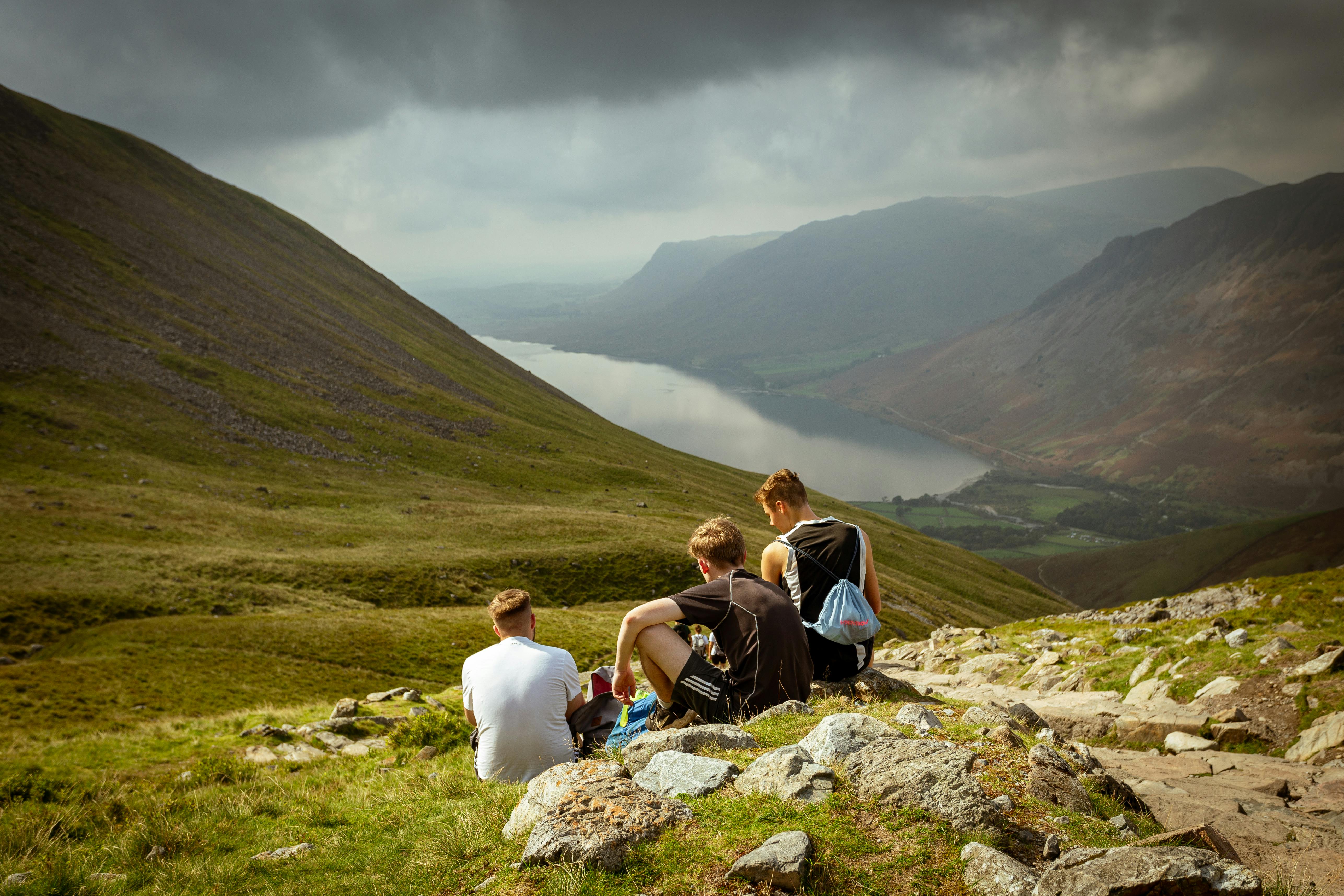
The Lake District, is a popular retirement destination for many international retirees. Its picturesque landscapes, tranquil lakes, and charming villages offer a peaceful and serene environment, perfect for those seeking a slower pace of life. The region is also known for its friendly locals, rich history, and cultural heritage. However, like any other place, retiring in the Lake District comes with its own set of challenges. From understanding the cost of living to navigating the healthcare system, there are several factors that international retirees need to consider.
Understanding the Cost of Living
The cost of living in the Lake District is relatively high compared to other parts of the UK. This is largely due to the region's popularity as a tourist destination and the high demand for property. However, the cost can vary depending on the specific area within the Lake District. For instance, living in the central areas like Windermere or Ambleside can be more expensive than the more rural areas. Despite the high cost, many retirees find the quality of life and the natural beauty of the region to be worth the price.
Climate Throughout the Year
The Lake District is known for its temperate maritime climate. The region experiences mild summers and cool winters. Rainfall is a common occurrence throughout the year, contributing to the lush green landscapes that the Lake District is famous for. Despite the frequent rain, the region also enjoys plenty of sunny days, perfect for outdoor activities like hiking and boating.
Access to Quality Healthcare
The UK's National Health Service (NHS) provides comprehensive healthcare services, and the Lake District is home to several well-equipped hospitals and clinics. However, it's important for international retirees to understand that while emergency care is free, they may need to pay for certain services unless they have a residency status that entitles them to free healthcare.
Residency Options for Retirees
International retirees can apply for a retirement visa to live in the UK. This requires proof of financial self-sufficiency and a comprehensive health insurance plan. It's advisable to consult with an immigration expert to understand the best options for your specific situation.
Recreational Activities and Dining Options
The Lake District offers a plethora of recreational activities, from hiking and boating to exploring historical sites. The region is also known for its culinary scene, with restaurants like The Jumble Room in Grasmere and The Old Stamp House in Ambleside offering delicious local cuisine.
Learning the Local Language
While English is the primary language spoken in the Lake District, retirees may find it beneficial to learn some local dialects and phrases. The Kendal Language School offers language courses for those interested.
Engaging with the Local Community
The locals in the Lake District are known for their friendliness and hospitality. Weekly markets, like the Keswick Market, provide an excellent opportunity to interact with locals and immerse oneself in the community. Volunteering at local organizations like the Lake District National Park Authority can also be a rewarding way to meet people and contribute to the community.
Housing Options for Retirees
Retirees in the Lake District typically live in cottages, bungalows, or apartments. While some prefer to live in the bustling town centers, others opt for the tranquility of the countryside. Public transportation is readily available, making it possible to live comfortably without a car.
Retiring in the Lake District, UK, offers a unique blend of natural beauty, cultural richness, and community spirit. While it comes with its own set of challenges, the rewards of living in this stunning region are many, making it a worthwhile consideration for international retirees.
About the Author
 Joshua Wood, LPC joined Expat Exchange in 2000 and serves as one of its Co-Presidents. He is also one of the Founders of Digital Nomad Exchange. Prior to Expat Exchange, Joshua worked for NBC Cable (MSNBC and CNBC
Primetime). Joshua has a BA from Syracuse and a Master's in Clinical and Counseling Psychology from Fairleigh Dickinson University. Mr. Wood is also a licensed counselor and psychotherapist.
Joshua Wood, LPC joined Expat Exchange in 2000 and serves as one of its Co-Presidents. He is also one of the Founders of Digital Nomad Exchange. Prior to Expat Exchange, Joshua worked for NBC Cable (MSNBC and CNBC
Primetime). Joshua has a BA from Syracuse and a Master's in Clinical and Counseling Psychology from Fairleigh Dickinson University. Mr. Wood is also a licensed counselor and psychotherapist.
Some of Joshua's articles include Pros and Cons of Living in Portugal, 10 Best Places to Live in Ireland and Pros and Cons of Living in Uruguay. Connect with Joshua on LinkedIn.
Additional Information: