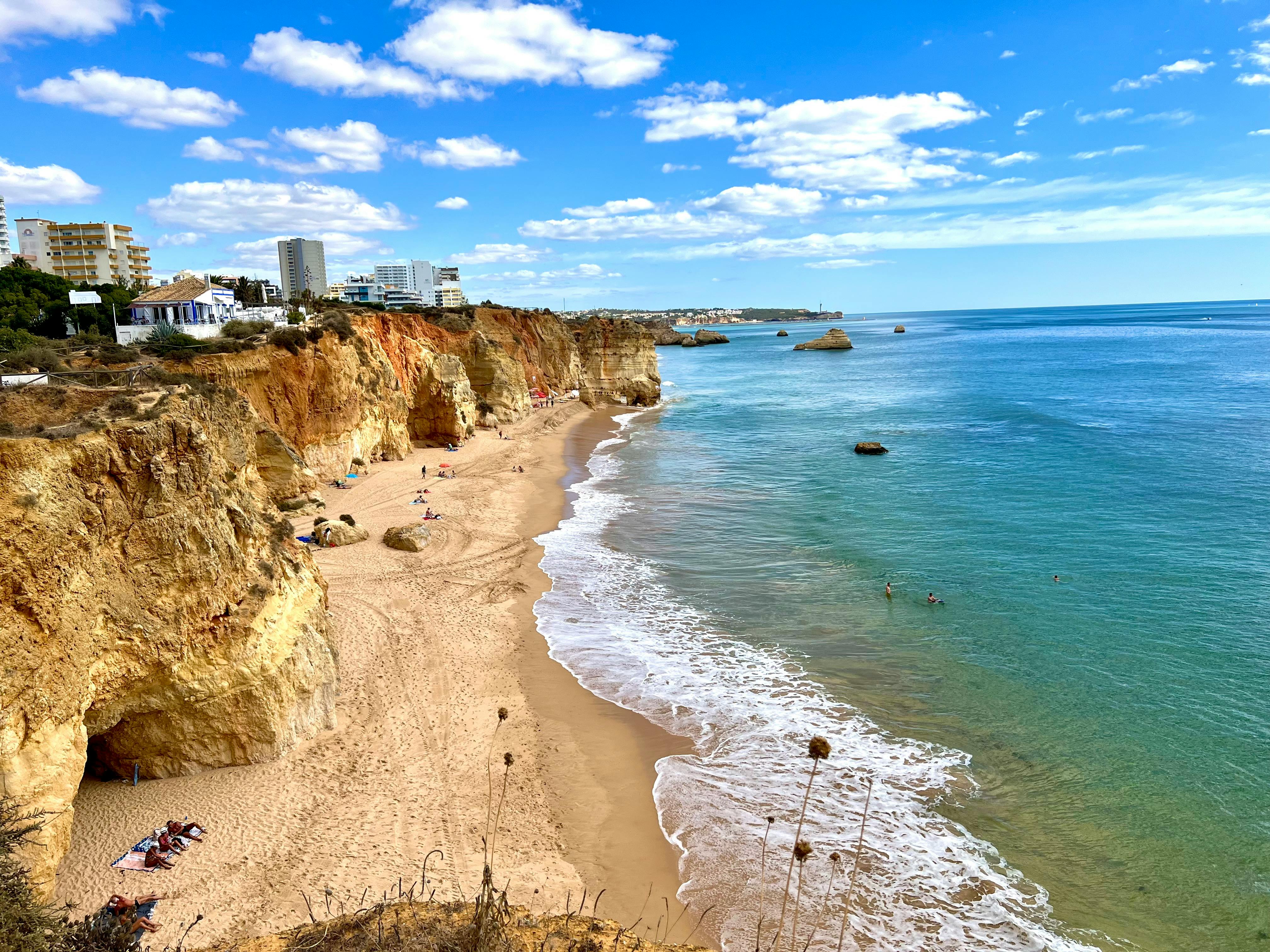
Retire in The Algarve Guide


Summary: If The Algarve is on your retirement radar, our detailed Retire in The Algarve Guide is your go-to resource. Delve into the crucial aspects of life here, including living costs, climate, housing options, healthcare services, and residency procedures. We also explore the city's social dynamics, volunteering scenes, transportation, and how walkable its neighborhoods are.
The Algarve, is a popular destination for international retirees, and it's easy to see why. With its stunning coastline, warm climate, and affordable cost of living, it offers a relaxed and comfortable lifestyle that many find irresistible. However, like any place, it also has its challenges, from navigating the healthcare system to learning the language. In this article, we'll explore what it's like to retire in The Algarve, Portugal, from the perspective of an international retiree.
Cost of Living
The Algarve is known for its affordable cost of living. Groceries, dining out, and utilities are all significantly cheaper than in many other European countries. Property prices are also reasonable, with a wide range of options available, from apartments in bustling towns to villas in quieter, rural areas. However, it's worth noting that prices can vary depending on the area, with more touristy spots tending to be more expensive.
Climate
The Algarve boasts a Mediterranean climate, with hot, dry summers and mild, wet winters. The region enjoys around 300 days of sunshine per year, making it an ideal choice for those who love the outdoors. However, it can get quite hot in the peak of summer, so air conditioning is a must.
Healthcare
The Algarve has a number of good hospitals and clinics, both public and private. Many doctors speak English, which can be a relief for those who are still learning Portuguese. However, it's worth noting that while the healthcare system is generally good, it can be slow, particularly in more rural areas.
Public Healthcare System
Portugal has a public healthcare system, which international retirees can access if they are residents. However, many choose to take out private health insurance, as this can offer quicker access to treatment and a wider choice of doctors.
Residency Options for Retirees
Portugal offers a number of residency options for international retirees. The most popular is the Non-Habitual Resident (NHR) scheme, which offers tax benefits for a period of ten years. There is also the Golden Visa program, which offers residency in return for an investment in the country.
Parks and Recreational Activities
The Algarve is a paradise for outdoor enthusiasts, with plenty of opportunities for hiking, golfing, and water sports. There are also numerous parks and nature reserves to explore, such as the Ria Formosa Natural Park and the Monchique mountains.
Restaurants
The Algarve is renowned for its seafood, and there are plenty of excellent restaurants where you can sample the local cuisine. Some popular choices include Restaurante Ruccula in Alvor, and Rei das Praias in Ferragudo.
Learning the Language
While many people in The Algarve speak English, learning Portuguese can greatly enhance your experience. There are numerous language schools in the region, such as the Portuguese Language School in Faro.
Local Culture
The locals in The Algarve are generally friendly and welcoming to foreigners. The region has a relaxed, laid-back vibe, with a strong emphasis on family and community. There are also numerous festivals and events throughout the year, offering a chance to immerse yourself in the local culture.
Meeting People and Volunteering
There are plenty of opportunities to meet people in The Algarve, from joining local clubs and societies to volunteering. The Algarve has a number of volunteer organizations, such as the Algarve Animal Association, where you can give back to the community while making new friends.
Housing and Transportation
Most retirees in The Algarve live in apartments or villas, either in the central towns or in quieter, rural areas. Public transportation is good, with a reliable bus network and numerous taxi services. However, many people choose to buy a car for convenience, particularly if they live outside of the main towns.
In conclusion, retiring in The Algarve, Portugal, offers a relaxed and affordable lifestyle, with plenty of opportunities for outdoor activities and cultural immersion. However, it also requires some adjustment, from learning the language to navigating the healthcare system. With the right preparation and mindset, however, it can be a rewarding and fulfilling experience.
About the Author
 Joshua Wood, LPC joined Expat Exchange in 2000 and serves as one of its Co-Presidents. He is also one of the Founders of Digital Nomad Exchange. Prior to Expat Exchange, Joshua worked for NBC Cable (MSNBC and CNBC
Primetime). Joshua has a BA from Syracuse and a Master's in Clinical and Counseling Psychology from Fairleigh Dickinson University. Mr. Wood is also a licensed counselor and psychotherapist.
Joshua Wood, LPC joined Expat Exchange in 2000 and serves as one of its Co-Presidents. He is also one of the Founders of Digital Nomad Exchange. Prior to Expat Exchange, Joshua worked for NBC Cable (MSNBC and CNBC
Primetime). Joshua has a BA from Syracuse and a Master's in Clinical and Counseling Psychology from Fairleigh Dickinson University. Mr. Wood is also a licensed counselor and psychotherapist.
Some of Joshua's articles include Pros and Cons of Living in Portugal, 10 Best Places to Live in Ireland and Pros and Cons of Living in Uruguay. Connect with Joshua on LinkedIn.
Additional Information:
- Expat Guide to The Algarve
- Cost of Living in The Algarve
- Best Places to Live in the Algarve
- Healthcare & Health Insurance in Portugal
- Best Places to Live in Portugal
- Real Estate in Portugal
- Moving to Portugal with a Pet
- What It's Like Living in The Algarve
- Pros and Cons of Living in Portugal 2026
- 2026 Guide to Moving to Portugal
- More Advice about Retiring in Portugal