Retire in Belo Horizonte Guide


Summary: If Belo Horizonte is on your retirement radar, our detailed Retire in Belo Horizonte Guide is your go-to resource. Delve into the crucial aspects of life here, including living costs, climate, housing options, healthcare services, and residency procedures. We also explore the city's social dynamics, volunteering scenes, transportation, and how walkable its neighborhoods are.
Retiring in Belo Horizonte, is an increasingly popular choice for international retirees. The city offers a unique blend of urban conveniences, cultural richness, and natural beauty. From its affordable to its warm climate, Belo Horizonte has much to offer. However, like any foreign destination, it also presents its own set of challenges, such as language barriers and navigating the healthcare system. Let's delve into what it's like to retire in this vibrant Brazilian city.
Affordability
Belo Horizonte is known for its relatively low cost of living. Housing, food, and services are generally cheaper than in many North American or European cities. However, it's important to note that prices can vary depending on the neighborhood and lifestyle choices. For instance, living in the city center or dining at high-end restaurants can be more expensive.
Climate
Belo Horizonte boasts a tropical savanna climate, with warm, wet summers and mild, dry winters. The city's altitude helps moderate the heat, making it more comfortable than other tropical locations. However, retirees should be prepared for the occasional heavy rainfall during the summer months.
Healthcare
The city is home to several well-regarded hospitals and clinics, including the Hospital das Clínicas and the Hospital Mater Dei. Many doctors in these facilities speak English, which can be a relief for retirees who are still learning Portuguese. However, it's worth noting that private healthcare can be expensive, and it's advisable to have a good health insurance plan.
Public Healthcare System
While Brazil has a public healthcare system, known as SUS, it can be challenging for international retirees to navigate due to language barriers and bureaucratic complexities. Many retirees opt for private health insurance for more comprehensive and convenient care.
Residency Options
Retirees can apply for a permanent visa, which requires proof of a steady income. The process can be complex and time-consuming, so it's advisable to seek legal advice. Once granted residency, retirees can enjoy the same rights as Brazilian citizens, including access to public services.
Recreational Activities
Belo Horizonte is a city of parks and open spaces, including the beautiful Parque Municipal and the Pampulha Ecological Park. The city also boasts a vibrant cultural scene, with numerous museums, theaters, and music festivals. For food lovers, the Mercado Central is a must-visit for its array of local produce and traditional Brazilian food stalls.
Language Learning
While Portuguese is the official language, English is not widely spoken outside of tourist areas and international businesses. However, there are several language schools in the city, such as the Fast Forward Institute, which offer Portuguese classes for foreigners.
Local Culture
Brazilians are known for their warmth and friendliness, and the locals in Belo Horizonte are no exception. The city has a relaxed, welcoming vibe that can make retirees feel at home. However, it's important to respect local customs and traditions, and learning the language can go a long way in integrating into the community.
Housing
Most retirees opt for apartments in the city center or in quieter neighborhoods like Lourdes and Savassi. These areas offer a good mix of urban conveniences and residential comfort. For those who prefer a more tranquil environment, there are also options in the city's outskirts.
Transportation
Belo Horizonte has a comprehensive public transportation system, including buses and a metro. The city is also quite walkable, especially in the central areas. While having a car can be convenient for exploring the surrounding regions, it's not a necessity for daily life in the city.
About the Author
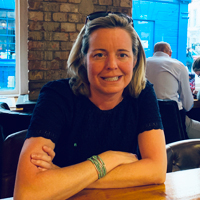 Betsy Burlingame is the Founder and President of Expat Exchange and is one of the Founders of Digital Nomad Exchange. She launched Expat Exchange in 1997 as her Master's thesis project at NYU. Prior to Expat Exchange, Betsy worked at AT&T in International
and Mass Market Marketing. She graduated from Ohio Wesleyan University
with a BA in International Business and German.
Betsy Burlingame is the Founder and President of Expat Exchange and is one of the Founders of Digital Nomad Exchange. She launched Expat Exchange in 1997 as her Master's thesis project at NYU. Prior to Expat Exchange, Betsy worked at AT&T in International
and Mass Market Marketing. She graduated from Ohio Wesleyan University
with a BA in International Business and German.
Some of Betsy's articles include 12 Best Places to Live in Portugal, 7 Best Places to Live in Panama and 12 Things to Know Before Moving to the Dominican Republic. Betsy loves to travel and spend time with her family. Connect with Betsy on LinkedIn.
Additional Information: