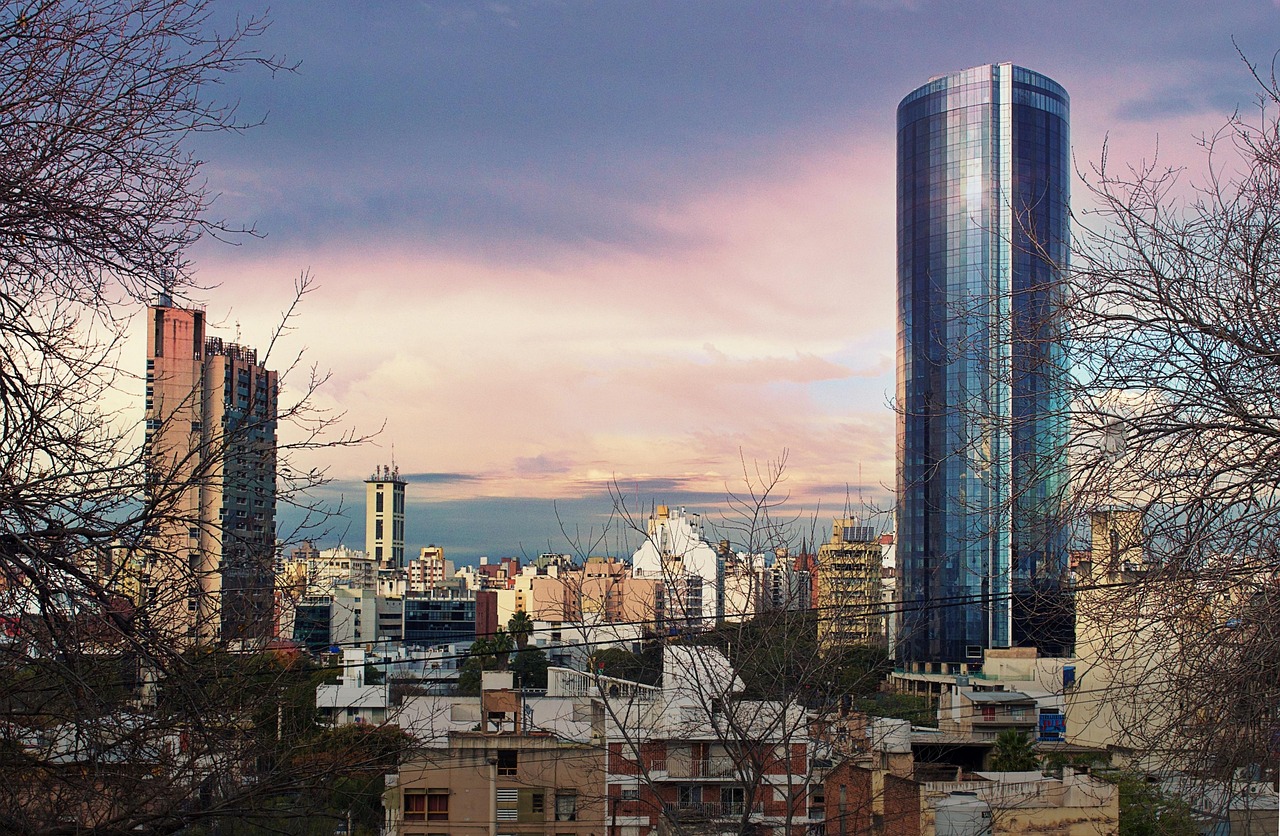
Retire in Cordoba Guide


Summary: Retire in Cordoba with confidence, armed with the knowledge from our extensive guide. It covers critical considerations for retirees, from the cost of living and climate to housing, healthcare, and residency choices in Cordoba. We also delve into the social and cultural scene, volunteering options, public transportation facilities, and the city's walkability, helping you make an informed decision.
Retiring in Cordoba is a dream come true for many international retirees. The city offers a unique blend of old-world charm and modern amenities, making it an ideal destination for those seeking a relaxed and comfortable retirement. The is significantly lower than in many Western countries, and the climate is pleasant year-round. However, like any foreign country, there are challenges to consider, such as language barriers and cultural differences.
Living Expenses in Cordoba
The cost of living in Cordoba is one of its biggest attractions for retirees. Housing, groceries, and are all significantly cheaper than in North America or Europe. For example, a one-bedroom apartment in the city center can be rented for as little as $300 per month. Eating out is also affordable, with a meal at a mid-range restaurant costing around $10.
Climate and Weather
Cordoba enjoys a temperate climate with four distinct seasons. Summers are hot and humid, while winters are mild and dry. The city gets plenty of sunshine throughout the year, making it perfect for outdoor activities. However, it's worth noting that the weather can be unpredictable, with occasional heatwaves in summer and cold snaps in winter.
Healthcare Facilities
Argentina has a high standard of healthcare, and Cordoba is no exception. The city is home to several top-rated hospitals and clinics, including the Hospital Privado and the Sanatorio Allende. Many doctors and nurses speak English, which is a big plus for international retirees.
Public Healthcare System
Argentina's public healthcare system is free and accessible to all residents, including foreigners. However, many retirees opt for private health insurance for more comprehensive coverage. It's worth noting that the quality of public healthcare can vary, and waiting times can be long for non-emergency treatments.
Residency Options
Argentina offers several residency options for retirees. The most common is the Rentista visa, which requires proof of a steady income from a pension or other source. The process can be complex and time-consuming, so it's advisable to seek legal advice.
Recreational Activities and Dining
Cordoba is a vibrant city with plenty to see and do. There are numerous parks and green spaces, including the beautiful Sarmiento Park. The city is also known for its gastronomy, with a wide range of restaurants offering everything from traditional Argentine cuisine to international dishes. Some popular spots include Alcorta Carnes y Vino, El Papagayo, and Dada Mini.
Language Learning Opportunities
While many Argentinians speak English, learning Spanish can greatly enhance your retirement experience. There are several language schools in Cordoba, such as the COINED Spanish School and the Idiomas Sin Fronteras.
Local Culture and Markets
Argentinians are known for their warmth and hospitality, and Cordobans are no exception. The city has a laid-back vibe and a strong sense of community. There are several markets where you can buy fresh produce, local crafts, and antiques, such as the Mercado Norte and the Paseo de las Artes.
Meeting People and Volunteering
Meeting new people is easy in Cordoba, thanks to its friendly locals and active expat community. There are several volunteer opportunities for those looking to give back, such as the Fundacion Cordoba Mejora, which works to improve the city's infrastructure and services.
Housing and Neighborhoods
Most retirees in Cordoba live in apartments in the city center or in gated communities on the outskirts. Some of the best neighborhoods for retirees include Nueva Cordoba, Guemes, and Cerro de las Rosas. These areas are safe, walkable, and close to amenities.
Transportation
Cordoba has an extensive public transportation system, including buses and taxis. The city is also very walkable, with many amenities within easy reach. While having a car can be convenient for exploring the surrounding countryside, it's not necessary for day-to-day life.
In conclusion, retiring in Cordoba, Argentina can be a rewarding experience. The city offers a high quality of life at a low cost, with plenty of opportunities for socializing, learning, and exploring. However, it's important to do your research and be prepared for the challenges of living in a foreign country.
About the Author
 Joshua Wood, LPC joined Expat Exchange in 2000 and serves as one of its Co-Presidents. He is also one of the Founders of Digital Nomad Exchange. Prior to Expat Exchange, Joshua worked for NBC Cable (MSNBC and CNBC
Primetime). Joshua has a BA from Syracuse and a Master's in Clinical and Counseling Psychology from Fairleigh Dickinson University. Mr. Wood is also a licensed counselor and psychotherapist.
Joshua Wood, LPC joined Expat Exchange in 2000 and serves as one of its Co-Presidents. He is also one of the Founders of Digital Nomad Exchange. Prior to Expat Exchange, Joshua worked for NBC Cable (MSNBC and CNBC
Primetime). Joshua has a BA from Syracuse and a Master's in Clinical and Counseling Psychology from Fairleigh Dickinson University. Mr. Wood is also a licensed counselor and psychotherapist.
Some of Joshua's articles include Pros and Cons of Living in Portugal, 10 Best Places to Live in Ireland and Pros and Cons of Living in Uruguay. Connect with Joshua on LinkedIn.
Additional Information: