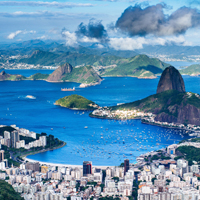
Retire in Salvador Guide


Summary: If Salvador is on your retirement radar, our detailed Retire in Salvador Guide is your go-to resource. Delve into the crucial aspects of life here, including living costs, climate, housing options, healthcare services, and residency procedures. We also explore the city's social dynamics, volunteering scenes, transportation, and how walkable its neighborhoods are.
Retiring in Salvador is a dream come true for many international retirees. The city offers a vibrant culture, beautiful beaches, and a low cost of living. However, like any foreign country, it also presents its own set of challenges. From learning the language to navigating the healthcare system, retiring in Salvador requires some adjustment. But for those who make the leap, the rewards are plentiful.
Cost of Living in Salvador
One of the biggest draws for retirees in Salvador is the low cost of living. Housing, food, and healthcare are all significantly cheaper than in many Western countries. For example, a comfortable two-bedroom apartment in a nice neighborhood can be rented for as little as $500 a month. Eating out is also affordable, with a meal at a mid-range restaurant costing around $10. However, imported goods can be expensive due to high import taxes.
Climate
Salvador boasts a tropical rainforest climate, with warm temperatures year-round. The average temperature hovers around 27°C (80°F), making it a paradise for those who love the heat. However, the city also experiences a rainy season from April to July, which can bring heavy downpours and high humidity.
Healthcare
Salvador has a number of high-quality private hospitals and clinics, many of which have English-speaking staff. However, the public healthcare system can be slow and overcrowded. Most international retirees opt for private health insurance, which is affordable and provides access to better facilities.
Residency Options
Brazil offers a retiree visa for those who can prove a regular income of at least $2,000 per month. This visa allows you to live in Brazil permanently and enjoy the same rights as a Brazilian citizen, including access to the public healthcare system.
Recreational Activities
Salvador is a city full of life and activity. From its beautiful beaches to its historic city center, there's always something to do. The city is also home to numerous parks, including the Dique do Tororó, which offers walking trails and stunning views of the city.
Restaurants
Salvador is known for its delicious Bahian cuisine, and there are plenty of restaurants where you can sample local dishes. Some popular options include Casa de Tereza, Yemanjá, and Amado.
Language Learning
While many Brazilians speak some English, learning Portuguese will greatly enhance your experience in Salvador. There are several language schools in the city, including the Brasil Brasil Cultural Center and the Dialogo Language School.
Local Culture
The people of Salvador are known for their warmth and friendliness. The city has a laid-back vibe, with locals often spending their free time at the beach or enjoying the city's vibrant nightlife. Salvador is also known for its Afro-Brazilian culture, which is reflected in its music, food, and festivals.
Transportation
Salvador has a comprehensive public transportation system, including buses, taxis, and a metro. Many retirees find that they don't need a car, as most amenities are within walking distance or a short bus ride away. However, driving can be a challenge due to heavy traffic and aggressive driving habits.
Housing
Most retirees in Salvador choose to live in apartments, which are plentiful and affordable. Popular neighborhoods include Barra, which is close to the beach and has a number of high-rise apartment buildings, and Pelourinho, which is known for its colonial architecture and vibrant street life.
In conclusion, retiring in Salvador, Brazil offers a unique blend of cultural richness, tropical climate, and affordable living. While it may present some challenges, the rewards of living in this vibrant city are well worth it.
About the Author
 Joshua Wood, LPC joined Expat Exchange in 2000 and serves as one of its Co-Presidents. He is also one of the Founders of Digital Nomad Exchange. Prior to Expat Exchange, Joshua worked for NBC Cable (MSNBC and CNBC
Primetime). Joshua has a BA from Syracuse and a Master's in Clinical and Counseling Psychology from Fairleigh Dickinson University. Mr. Wood is also a licensed counselor and psychotherapist.
Joshua Wood, LPC joined Expat Exchange in 2000 and serves as one of its Co-Presidents. He is also one of the Founders of Digital Nomad Exchange. Prior to Expat Exchange, Joshua worked for NBC Cable (MSNBC and CNBC
Primetime). Joshua has a BA from Syracuse and a Master's in Clinical and Counseling Psychology from Fairleigh Dickinson University. Mr. Wood is also a licensed counselor and psychotherapist.
Some of Joshua's articles include Pros and Cons of Living in Portugal, 10 Best Places to Live in Ireland and Pros and Cons of Living in Uruguay. Connect with Joshua on LinkedIn.
Additional Information: