Educational System in Costa Rica


Summary: The one tip that you hear expats living in Costa Rica repeatedly sharing with newcomers is not to buy a home when you first move to Costa Rica. Rent for a few months or longer so that you have time to find the right neighborhood. Give yourself time to ensure that Costa Rica is right for you for the long term. If you've already taken time to do those things and are ready to take the plunge and become a property owner, here are tips about buying a home in Costa Rica.
Costa Rica, known for its lush landscapes and friendly people, offers a robust educational system that is ranked among the best in Latin America. The educational system is divided into distinct stages, each with its own focus and structure. Understanding these stages and the various educational options is crucial for expats considering a move to Costa Rica with their families. This guide provides an overview of the educational system, including the main stages, enrollment processes, language considerations, and the availability of private and bilingual schools.
What are the main stages of education in Costa Rica and what are the names of those stages?
The main stages of education in Costa Rica are Preescolar (Pre-school), Primaria (Primary School), Secundaria (Secondary School), and Educación Superior (Higher Education). Each stage has a specific focus and caters to different age groups.
Preescolar (Pre-school)
Preescolar is designed for children aged 3 to 6 and focuses on early childhood development. It is not compulsory but is highly encouraged as it helps children develop social and cognitive skills that prepare them for primary school.
Primaria (Primary School)
Primaria is compulsory and serves children aged 6 to 12. This stage is divided into six grades and focuses on fundamental subjects such as mathematics, science, social studies, Spanish, and physical education. English is also introduced during the later years of primary school.
Secundaria (Secondary School)
Secundaria is also compulsory and caters to students aged 13 to 17. It is divided into two cycles: the first cycle (grades 7 to 9) and the second cycle (grades 10 to 11). The curriculum becomes more specialized, with a focus on core academic subjects and electives. Students also have the option to pursue technical or vocational training.
How does a newcomer from a different country enroll their kids in school?
To enroll children in a Costa Rican school, newcomers must present various documents, including a passport, birth certificate, and proof of legal residency in Costa Rica. Additionally, school records from the previous educational institution and vaccination records are required. It is advisable to contact the specific school for detailed information on the enrollment process.
My children are still learning Spanish, can they enroll in a public school?
Yes, children who are still learning Spanish can enroll in public schools. However, it is important to note that the language of instruction in public schools is primarily Spanish. Schools may offer additional support for non-Spanish-speaking students, but this can vary. Some expats opt for bilingual or international schools to ease the transition.
Are there public bilingual schools?
While the majority of public schools in Costa Rica are Spanish-speaking, there are a few public bilingual schools, especially in urban areas. Admission to these schools can be competitive, and specific requirements may apply. It is recommended to research and contact the schools directly for more information.
What types of private schools are common in Costa Rica?
Private schools in Costa Rica include Catholic schools, international schools, and bilingual schools. Catholic schools integrate religious education into the curriculum, while international schools often follow curriculum standards from other countries, such as the United States or the United Kingdom. Bilingual schools offer instruction in both Spanish and English.
Do expats typically send their children to public or private school?
Expats in Costa Rica often opt for private schools due to the language barrier and the specialized curriculum offered. Private schools can provide a smoother transition for children who are not yet fluent in Spanish and offer a more international educational experience.
How expensive are Private schools in Costa Rica?
The cost of private schools in Costa Rica can vary significantly. Tuition fees can range from a few hundred dollars to several thousand dollars per year, depending on the type of school and its location. International schools tend to be the most expensive, while bilingual and Catholic schools may have more affordable options.
Are you allowed to homeschool while living in Costa Rica?
Homeschooling is not widely recognized or regulated in Costa Rica. While some families do homeschool, it is important to note that there may be legal and administrative challenges. It is advisable to consult with local educational authorities or seek legal advice if considering homeschooling.
May kids attend online school instead of a local school while living in Costa Rica?
Online schooling is an option for children living in Costa Rica, especially during the current global health situation. There are various international online schools that offer accredited programs. However, it is important to ensure that the online school meets the educational requirements and standards of both Costa Rica and the home country.
About the Author
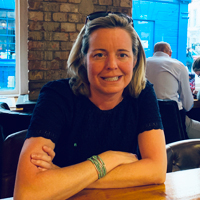 Betsy Burlingame is the Founder and President of Expat Exchange and is one of the Founders of Digital Nomad Exchange. She launched Expat Exchange in 1997 as her Master's thesis project at NYU. Prior to Expat Exchange, Betsy worked at AT&T in International
and Mass Market Marketing. She graduated from Ohio Wesleyan University
with a BA in International Business and German.
Betsy Burlingame is the Founder and President of Expat Exchange and is one of the Founders of Digital Nomad Exchange. She launched Expat Exchange in 1997 as her Master's thesis project at NYU. Prior to Expat Exchange, Betsy worked at AT&T in International
and Mass Market Marketing. She graduated from Ohio Wesleyan University
with a BA in International Business and German.
Some of Betsy's articles include 12 Best Places to Live in Portugal, 7 Best Places to Live in Panama and 12 Things to Know Before Moving to the Dominican Republic. Betsy loves to travel and spend time with her family. Connect with Betsy on LinkedIn.
Additional Information:
- Costa Rica Guide
- Healthcare & Health Insurance in Costa Rica
- Members Talk about Healthcare & Health Insurance in Costa Rica
- Best Places to Live in Costa Rica
- Real Estate in Costa Rica
- Guide to Real Estate in Costa Rica
- Pros & Cons of Living in Costa Rica
- Cost of Living in Costa Rica
- Understanding Mental Health in Costa Rica
- Do I need Health Insurance When Moving to Costa Rica?
- Having a Baby in Costa Rica
- Health Insurance in Costa Rica
- 2026 Guide to Living in Costa Rica
- Pros and Cons of Living in Costa Rica 2026
- 2026 Guide to Moving to Costa Rica
- Members Talk about the Cost of Living in Costa Rica