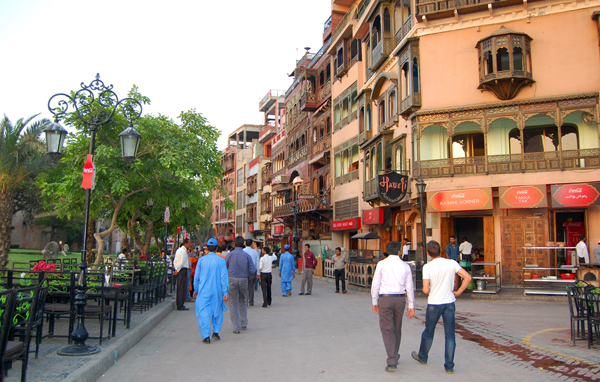
Culture Shock in Pakistan


Summary: If you're planning a move to Pakistan, or have recently settled there, it's natural to encounter some culture shock as you adjust to your new surroundings. Our insightful article is designed to help you navigate this transition smoothly. It offers practical tips and draws on the experiences of fellow expats who have successfully embraced the cultural nuances of Pakistan.
Moving to Pakistan can be an exciting and enriching experience, but it's important to be prepared for the cultural differences that may lead to culture shock. Whether you're considering a move or have already taken the plunge, understanding the local language, customs, and cultural nuances can significantly ease your transition. Let's delve into various aspects of Pakistani culture to help you navigate this new chapter in your life.
Phases of Culture Shock for a Newcomer in Pakistan
Culture shock typically unfolds in several stages. Initially, you may experience the honeymoon phase, where everything seems exciting and new. However, this is often followed by the negotiation phase, where differences become more apparent and challenging. In Pakistan, this might include adjusting to a more conservative dress code, different social norms, and a slower pace of life. Eventually, you'll reach the adjustment phase, where you become more comfortable with the culture, and finally, the adaptation phase, where you feel at home.
Language Barrier: Challenges and Tips
Pakistan is a multilingual country with Urdu as the national language and English widely spoken in urban areas. If you're still learning Urdu, communication can be challenging initially. However, locals are generally helpful and appreciate efforts to speak their language. Start with basic phrases and gradually expand your vocabulary. Consider hiring a tutor or enrolling in a language course to accelerate your learning.
5 Biggest Cultural Faux Pas Expats Make in Pakistan
To help you navigate Pakistani culture, here are some common mistakes to avoid:
- Dressing Inappropriately: Pakistan is a conservative country, and dressing modestly is expected. Avoid wearing shorts, sleeveless tops, or revealing clothing.
- Using the Left Hand: The left hand is considered unclean and is not used for eating or greeting. Always use your right hand for these activities.
- Public Displays of Affection: PDAs are frowned upon in Pakistan. Holding hands or kissing in public can be seen as disrespectful.
- Disrespecting Religion: Pakistan is predominantly Muslim, and religion plays a significant role in daily life. Avoid making jokes or derogatory comments about Islam or any other religion.
- Rejecting Hospitality: Pakistanis are known for their hospitality. Refusing an invitation to someone's home or not accepting offered food can be seen as rude.
Expat Advice: Navigating Culture Shock in Pakistan
Expats living in Pakistan share their insights on coping with culture shock:
Embrace the Culture: "The more you try to immerse yourself in the culture, the easier it gets. Visit local markets, try traditional food, and participate in festivals," shares Sarah, an American expat in Lahore.
Build a Support Network: "Connect with other expats and locals. Having people to talk to and share experiences with makes a huge difference," advises John, a British expat in Islamabad.
Learn the Language: "Learning Urdu has been a game-changer for me. It opens up so many more opportunities to connect with people," says Maria, a Spanish expat in Karachi.
Be Patient and Open-Minded: "Things might not always go as planned, and the culture can be confusing at times. Stay patient and keep an open mind," recommends Alex, a Canadian expat in Peshawar.
Explore the Country: "Pakistan is incredibly diverse, with stunning landscapes and vibrant cities. Travel as much as you can to truly understand and appreciate the country," suggests Lisa, an Australian expat in Multan.
Understanding Pakistani Hospitality
Pakistanis are renowned for their hospitality, and it's not uncommon to be invited to someone's home for a meal. Guests are often treated with great respect and offered the best seats and food. Bringing a small gift for the host is appreciated but not mandatory. Be prepared for multiple servings of food and consider it an honor rather than a burden.
Work Culture: What to Expect
The work culture in Pakistan can be hierarchical, with a strong emphasis on respect for seniority. Building personal relationships is crucial in the business environment. Punctuality is expected, though meetings may start late. Business attire is generally conservative, and modesty is key for both men and women.
Adjusting to Pakistani Cuisine
Pakistani cuisine is rich and flavorful, with a variety of dishes ranging from mild to very spicy. Staples include rice, bread, lentils, and meat curries. Street food is popular but can be challenging for foreigners due to hygiene concerns. Gradually introduce your palate to local food and always ensure you're eating from reputable places.
Safety and Security Concerns
Safety can be a concern for expats, especially in certain areas. It's essential to stay informed about the security situation in your region. Avoid large gatherings and political rallies, and always follow the advice of local authorities. Building a network of trusted locals can also provide valuable insights and support.
Celebrating Pakistani Festivals
Pakistan celebrates a variety of festivals throughout the year, reflecting its rich cultural heritage. Eid-ul-Fitr and Eid-ul-Adha are the most significant Islamic holidays, featuring communal prayers, family gatherings, and feasts. Participating in these celebrations can offer a deeper understanding of Pakistani culture and traditions.
Moving to Pakistan is a journey filled with new experiences, challenges, and rewards. By understanding and respecting the local culture, you can minimize culture shock and embrace the unique opportunities this diverse country offers.
About the Author
 Joshua Wood, LPC joined Expat Exchange in 2000 and serves as one of its Co-Presidents. He is also one of the Founders of Digital Nomad Exchange. Prior to Expat Exchange, Joshua worked for NBC Cable (MSNBC and CNBC
Primetime). Joshua has a BA from Syracuse and a Master's in Clinical and Counseling Psychology from Fairleigh Dickinson University. Mr. Wood is also a licensed counselor and psychotherapist.
Joshua Wood, LPC joined Expat Exchange in 2000 and serves as one of its Co-Presidents. He is also one of the Founders of Digital Nomad Exchange. Prior to Expat Exchange, Joshua worked for NBC Cable (MSNBC and CNBC
Primetime). Joshua has a BA from Syracuse and a Master's in Clinical and Counseling Psychology from Fairleigh Dickinson University. Mr. Wood is also a licensed counselor and psychotherapist.
Some of Joshua's articles include Pros and Cons of Living in Portugal, 10 Best Places to Live in Ireland and Pros and Cons of Living in Uruguay. Connect with Joshua on LinkedIn.
Additional Information:
- Pakistan Guide
- Healthcare & Health Insurance in Pakistan
- Members Talk about Healthcare & Health Insurance in Pakistan
- Best Places to Live in Pakistan
- Guide to Real Estate in Pakistan
- Pros & Cons of Living in Pakistan
- Cost of Living in Pakistan
- Moving to Pakistan with a Pet
- Understanding Mental Health in Pakistan
- Do I need Health Insurance When Moving to Pakistan?
- Best Places to Ski in Pakistan
- 2026 Guide to Living in Pakistan
- Pros and Cons of Living in Pakistan 2026