
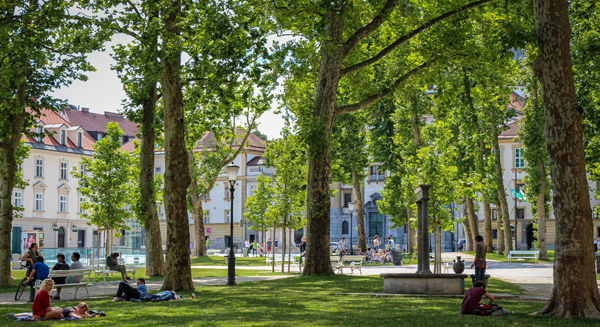


Culture Shock in Slovenia


Summary: If you're planning a move to Slovenia, or have recently settled there, it's natural to encounter some culture shock as you adjust to your new surroundings. Our insightful article is designed to help you navigate this transition smoothly. It offers practical tips and draws on the experiences of fellow expats who have successfully embraced the cultural nuances of Slovenia.
Moving to Slovenia? Get ready for a charming blend of Mediterranean, Alpine, and Balkan influences, but as with any relocation, expect a bit of culture shock. Slovenia, with its rich history and unique traditions, will surprise and delight you. Here’s a comprehensive guide to help you navigate the cultural landscape and ease your transition.
1. Phases of Culture Shock for a Newcomer in Slovenia
Culture shock typically unfolds in several phases. Initially, you might experience the honeymoon phase, where everything seems fascinating and exciting. This is followed by the frustration phase, where differences become more pronounced and difficult to handle. Eventually, you’ll reach the adjustment phase, where you start to feel more comfortable and adapt to your new surroundings. Finally, the acceptance phase is when you fully embrace Slovenian culture and enjoy your new life.
2. Learning the Language: How Challenging Will It Be?
Slovenian, the official language, can be challenging but manageable. It’s a Slavic language with a complex grammar system. However, many Slovenians speak excellent English, especially in urban areas and among younger generations. Enrolling in language classes, using language learning apps, and practicing with locals can significantly help. Don’t be discouraged by the initial difficulty; every bit of effort will be appreciated by the locals.
3. Top 5 Cultural Faux Pas Expats Make in Slovenia
Greeting Mistakes: Slovenians greet each other with a firm handshake and direct eye contact. Avoid using informal greetings like “zdravo” unless you’re on a first-name basis.
Punctuality: Slovenians value punctuality. Being late for meetings or social events is considered disrespectful. Always arrive on time.
Table Manners: Keep your hands visible and above the table during meals. Cutlery should be used appropriately, and it’s polite to finish everything on your plate.
Dress Code: Slovenians dress conservatively, especially in business settings. Avoid casual attire like jeans and t-shirts in formal situations.
Gift Giving: Gifts are usually opened immediately upon receipt. Avoid giving items that come in sets of four, as this number is considered unlucky.
4. Advice from Expats Living in Slovenia
Expats living in Slovenia offer valuable insights to help newcomers adjust. One common piece of advice is to embrace the slower pace of life. Slovenians value quality time with family and friends, and weekends are sacred for relaxation. Another tip is to explore the country’s natural beauty. Slovenia is renowned for its stunning landscapes, from the Julian Alps to the Adriatic coast. Engaging in outdoor activities like hiking, skiing, or visiting national parks can provide a deeper connection to the country.
Expats also recommend joining local clubs or communities to meet like-minded individuals. Whether it’s a sports team, a language exchange group, or a cultural club, these can be excellent ways to make friends and learn more about Slovenian culture. Additionally, be open to trying new foods. Slovenian cuisine is diverse and delicious, with influences from neighboring countries. Don’t hesitate to sample traditional dishes like žganci (buckwheat spoonbread) or kremšnita (cream cake).
Anecdotes from expats often highlight the warmth and hospitality of the Slovenian people. One expat recalls being invited to a family dinner within weeks of to Ljubljana. The experience not only introduced them to traditional Slovenian dishes but also provided a glimpse into the close-knit family dynamics common in Slovenia. Another expat shares how they were guided by locals through the intricacies of Slovenian bureaucracy, making the transition smoother.
Finally, expats advise being patient with yourself. Culture shock is a natural part of the relocation process, and it’s okay to feel overwhelmed at times. Remember that every experience is a learning opportunity, and with time, you’ll grow more comfortable and appreciative of Slovenian culture.
5. Embracing Slovenian Traditions
Slovenia is rich in traditions that are deeply rooted in its history. One such tradition is the celebration of Kurentovanje, a carnival held annually in Ptuj. This festival involves parades, costumes, and the iconic Kurent figures, who are believed to drive away winter and bring good fortune. Participating in or witnessing these festivities can provide a unique insight into Slovenian customs.
Another significant tradition is the Martinovanje, or St. Martin’s Day, celebrated on November 11th. This day marks the end of the grape harvest and the beginning of wine tasting. It’s a time for feasting, particularly on roasted goose, and enjoying the new vintage of wine. Engaging in these celebrations can help you feel more connected to the community.
Slovenians also have strong traditions around Christmas, with Miklavž (St. Nicholas) bringing gifts to children on December 6th. The Christmas market in Ljubljana is a must-visit, offering a festive atmosphere with local crafts, mulled wine, and delicious treats. Participating in these festivities can make your holidays in Slovenia even more special.
6. Navigating Slovenian Work Culture
Slovenian work culture is characterized by professionalism and respect for hierarchy. Punctuality is highly valued, and meetings typically start and end on time. Business attire is generally conservative, and formal titles are used unless invited to do otherwise. Slovenians prefer direct communication and appreciate clear, concise information.
Building relationships is crucial in the Slovenian business environment. Networking events and social gatherings are common, and taking the time to get to know colleagues can be beneficial. Additionally, Slovenians value work-life balance, and overtime is not encouraged. Understanding these nuances can help you navigate the professional landscape more effectively.
In conclusion, moving to Slovenia brings a blend of excitement and challenges. By being open to new experiences, embracing the language and culture, and seeking advice from fellow expats, you can navigate culture shock and make the most of your time in this beautiful country. Slovenia’s rich traditions, stunning landscapes, and warm-hearted people will make your stay unforgettable.
About the Author
 Joshua Wood, LPC joined Expat Exchange in 2000 and serves as one of its Co-Presidents. He is also one of the Founders of Digital Nomad Exchange. Prior to Expat Exchange, Joshua worked for NBC Cable (MSNBC and CNBC
Primetime). Joshua has a BA from Syracuse and a Master's in Clinical and Counseling Psychology from Fairleigh Dickinson University. Mr. Wood is also a licensed counselor and psychotherapist.
Joshua Wood, LPC joined Expat Exchange in 2000 and serves as one of its Co-Presidents. He is also one of the Founders of Digital Nomad Exchange. Prior to Expat Exchange, Joshua worked for NBC Cable (MSNBC and CNBC
Primetime). Joshua has a BA from Syracuse and a Master's in Clinical and Counseling Psychology from Fairleigh Dickinson University. Mr. Wood is also a licensed counselor and psychotherapist.
Some of Joshua's articles include Pros and Cons of Living in Portugal, 10 Best Places to Live in Ireland and Pros and Cons of Living in Uruguay. Connect with Joshua on LinkedIn.
Additional Information:
- Slovenia Guide
- Healthcare & Health Insurance in Slovenia
- Members Talk about Healthcare & Health Insurance in Slovenia
- Best Places to Live in Slovenia
- Real Estate in Slovenia
- Guide to Real Estate in Slovenia
- Pros & Cons of Living in Slovenia
- Cost of Living in Slovenia
- Pros and Cons of Living in Slovenia
- How to Rent a Home in Slovenia
- Enrolling in the Public Healthcare System in Slovenia
- 10 Best Places for Families to Live in Slovenia
- Pros and Cons of Living in Slovenia 2026
