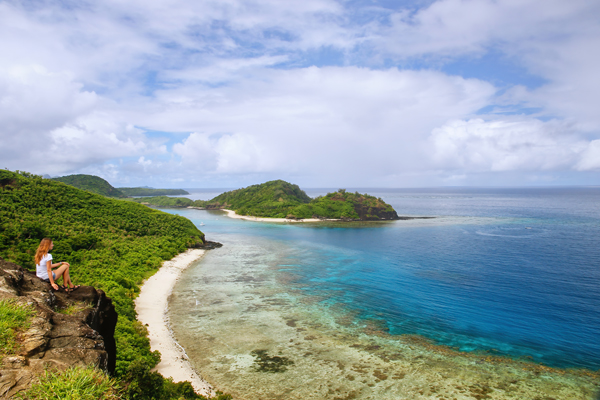
Christmas in Fiji


Summary: Learn how people celebrate Christmas and the New Year in Fiji - traditions, food, church, gift exchange and more.
The holiday season in Fiji brings a mix of tropical warmth and festive traditions, offering a unique experience for expats and digital nomads celebrating Christmas and New Year’s away from home. With palm trees swaying in the breeze and golden beaches as a backdrop, the celebrations blend local customs with familiar holiday cheer. For those spending their first holidays in Fiji, the atmosphere is lively, relaxed, and full of surprises.
Holiday Traditions and Celebrations
Christmas in Fiji is a time of community, faith, and feasting. While the tropical climate means no snow or winter decorations, the spirit of the season is just as strong. Many Fijians decorate their homes with lights, tinsel, and handmade ornaments, often incorporating local materials like seashells and woven palm leaves. Christmas trees—real or artificial—are common, though some opt for native plants like the *vau* (hibiscus) as festive alternatives.
New Year’s Eve is equally festive, with fireworks, music, and gatherings that stretch into the early hours. Unlike Western countdowns, Fijian celebrations often include traditional *meke* (dance) performances, drumming, and communal feasts. The energy is infectious, with locals and visitors alike joining in the revelry.
Santa Claus and Gift-Giving
Santa Claus—often called "Father Christmas" in Fiji—is a familiar figure, though his arrival is more likely by boat or 4x4 than a sleigh. Children leave out treats for him, and some communities host Santa visits at malls or resorts. Gift-giving is common, though it tends to be modest. Practical or handmade gifts are appreciated, such as local crafts, food hampers, or experiences like a boat trip or snorkeling excursion. Exchanging gifts with neighbors and colleagues is also a warm tradition, reflecting Fiji’s communal culture.
Food and Festive Feasts
Christmas and New Year’s meals in Fiji are a feast for the senses. The centerpiece is often a whole roasted pig or *lovo* (earth oven-cooked meats and vegetables), accompanied by staples like *kokoda* (Fijian ceviche), cassava, taro, and fresh tropical fruits. Desserts include *vakalolo* (a coconut and cassava pudding), fruitcake, and imported treats like shortbread or chocolate.
For those craving familiar flavors, supermarkets stock holiday favorites like ham, turkey, and mince pies, though they may come at a premium. Many expats and nomads host potluck gatherings, blending local dishes with international contributions—think pavlova alongside *palusami* (taro leaves baked in coconut cream).
Christmas Eve and Christmas Day
Christmas Eve is a time for church services, family gatherings, and quiet reflection. Many Fijians attend midnight Mass or early evening services, with churches decorated in flowers and palm fronds. Afterward, families share a meal and exchange gifts.
Christmas Day is a public holiday, marked by relaxation and celebration. Beaches, resorts, and parks fill with picnicking families, while towns host community events like carol singing or sports competitions. Some expats and nomads join local friends for a *lovo* feast, while others opt for a low-key day by the ocean. Alcohol sales are prohibited on Christmas Day, so many stock up in advance.
New Year’s Celebrations
New Year’s Eve in Fiji is a mix of fireworks, music, and late-night parties. Major hubs like Suva, Nadi, and Denarau host public events with live bands, DJs, and countdowns. Fireworks light up the sky at midnight, often followed by all-night dancing. For a more laid-back vibe, beach bonfires and private gatherings are popular.
New Year’s Day is a time to recover, with many enjoying a lazy day at the beach or a family *lovo*. Some resorts offer special brunches or day trips, making it easy to ease into the new year.
Where to Experience the Festivities
While holiday cheer is widespread, certain areas stand out for their celebrations. Suva, the capital, hosts a lively Christmas market with local crafts, food stalls, and carol performances. Nadi’s resorts and Denarau Island go all out with decorations, themed dinners, and family-friendly activities. Smaller towns like Sigatoka and Savusavu offer a more local experience, with community events and church services.
For those seeking a mix of tradition and luxury, the Coral Coast and Mamanuca Islands feature festive beach parties, while the Yasawa Islands offer a quieter, more intimate setting. No matter where you are, the warmth of Fijian hospitality ensures the holidays feel special.
About the Author
 Betsy Burlingame is the Founder and President of Expat Exchange and is one of the Founders of Digital Nomad Exchange. She launched Expat Exchange in 1997 as her Master's thesis project at NYU. Prior to Expat Exchange, Betsy worked at AT&T in International
and Mass Market Marketing. She graduated from Ohio Wesleyan University
with a BA in International Business and German.
Betsy Burlingame is the Founder and President of Expat Exchange and is one of the Founders of Digital Nomad Exchange. She launched Expat Exchange in 1997 as her Master's thesis project at NYU. Prior to Expat Exchange, Betsy worked at AT&T in International
and Mass Market Marketing. She graduated from Ohio Wesleyan University
with a BA in International Business and German.
Some of Betsy's articles include 12 Best Places to Live in Portugal, 7 Best Places to Live in Panama and 12 Things to Know Before Moving to the Dominican Republic. Betsy loves to travel and spend time with her family. Connect with Betsy on LinkedIn.
Additional Information:
- Fiji Guide
- Healthcare & Health Insurance in Fiji
- Members Talk about Healthcare & Health Insurance in Fiji
- Best Places to Live in Fiji
- Real Estate in Fiji
- Guide to Real Estate in Fiji
- Pros & Cons of Living in Fiji
- Cost of Living in Fiji
- Moving to Fiji with a Pet
- Understanding Mental Health in Fiji
- Do I need Health Insurance When Moving to Fiji?
- Having a Baby in Fiji
- Pros and Cons of Living in Fiji 2026