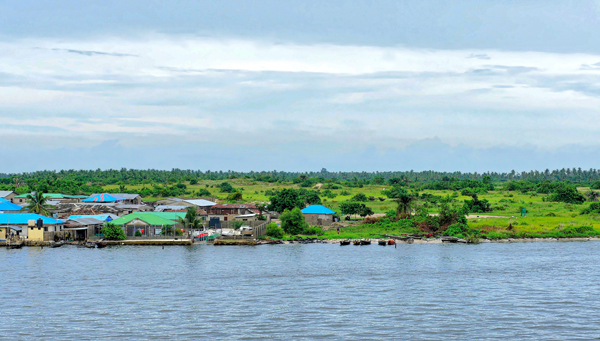
Christmas in Nigeria


Summary: Learn how people celebrate Christmas and the New Year in Nigeria - traditions, food, church, gift exchange and more.
The holiday season in Nigeria is a lively mix of tradition, faith, and celebration. For expats and digital nomads experiencing their first Christmas and New Year in the country, the festivities offer a unique blend of local customs and familiar holiday cheer. From bustling markets to festive church services, Nigeria’s holiday spirit is infectious.
How Nigerians Celebrate Christmas and New Year
Christmas in Nigeria is a major cultural and religious event, with celebrations often beginning weeks in advance. Families travel long distances to reunite, and cities come alive with decorations, music, and street parties. New Year’s Eve is equally festive, marked by fireworks, countdown parties, and reflections on the year ahead.
Gift-giving is common, though not as commercialized as in some Western countries. Many Nigerians exchange practical gifts like clothing, food items, or money, while children often receive toys or sweets. Father Christmas (or Santa Claus) makes appearances in shopping malls and at private parties, though his role is more symbolic than central to the celebrations.
Events Leading Up to the Holidays
The weeks before Christmas are filled with anticipation. Markets overflow with shoppers buying fabrics for new outfits, ingredients for festive meals, and decorations. Churches hold special services, including carol nights and nativity plays, while neighborhoods organize street parties and cultural performances.
In cities like Lagos, Abuja, and Port Harcourt, hotels and event centers host Christmas-themed parties, concerts, and comedy shows. Many expats and locals attend these events, which often feature live music, dancing, and traditional Nigerian dishes.
Traditional Foods and Desserts
Christmas meals in Nigeria are a feast of flavors. A staple is jollof rice, often served with fried chicken, beef, or goat meat. Other popular dishes include moi moi (steamed bean pudding), pounded yam with egusi soup, and fried plantains. For dessert, families enjoy chin chin (a crunchy snack), puff-puff (fried dough balls), and small chops (assorted finger foods).
New Year’s Eve is often celebrated with a late-night meal, sometimes featuring grilled fish or suya (spicy skewered meat). Many people also enjoy refreshing drinks like Chapman (a fruity cocktail) or palm wine.
Christmas Eve and Christmas Day Traditions
Christmas Eve is a time for family gatherings, church services, and last-minute preparations. Many Nigerians attend midnight Mass, a solemn and joyful service that marks the start of Christmas Day. Afterward, families return home to share meals, exchange gifts, and enjoy music and dancing.
Christmas Day itself is a public holiday, with most people spending time with loved ones. Some attend morning church services, while others relax at home or visit friends. In the evening, neighborhoods often host open-air parties with music, food, and fireworks.
Church Services and Religious Observances
Church plays a central role in Nigerian Christmas celebrations. Many attend services on Christmas Eve, Christmas Day, and even Boxing Day (December 26). These services are vibrant, featuring gospel music, prayers, and sermons. Some churches also organize charity events, distributing food and gifts to the less fortunate.
Best Places for Holiday Festivities
Certain cities and neighborhoods are known for their spectacular Christmas displays and events. Lagos, particularly areas like Victoria Island and Lekki, transforms into a festive hub with decorated streets, markets, and parties. Abuja’s upscale districts, such as Maitama and Asokoro, also host high-end holiday events.
In the southeast, cities like Enugu and Onitsha are famous for their lively Christmas markets, where vendors sell everything from handmade crafts to local delicacies. Calabar, in the south-south region, is renowned for its month-long Carnival Calabar, a dazzling festival of parades, music, and cultural performances.
For those seeking a more traditional experience, smaller towns and villages offer a glimpse into Nigeria’s rich holiday customs, with community feasts, masquerade dances, and storytelling sessions.
About the Author
 Joshua Wood, LPC joined Expat Exchange in 2000 and serves as one of its Co-Presidents. He is also one of the Founders of Digital Nomad Exchange. Prior to Expat Exchange, Joshua worked for NBC Cable (MSNBC and CNBC
Primetime). Joshua has a BA from Syracuse and a Master's in Clinical and Counseling Psychology from Fairleigh Dickinson University. Mr. Wood is also a licensed counselor and psychotherapist.
Joshua Wood, LPC joined Expat Exchange in 2000 and serves as one of its Co-Presidents. He is also one of the Founders of Digital Nomad Exchange. Prior to Expat Exchange, Joshua worked for NBC Cable (MSNBC and CNBC
Primetime). Joshua has a BA from Syracuse and a Master's in Clinical and Counseling Psychology from Fairleigh Dickinson University. Mr. Wood is also a licensed counselor and psychotherapist.
Some of Joshua's articles include Pros and Cons of Living in Portugal, 10 Best Places to Live in Ireland and Pros and Cons of Living in Uruguay. Connect with Joshua on LinkedIn.
Additional Information:
- Nigeria Guide
- Healthcare & Health Insurance in Nigeria
- Members Talk about Healthcare & Health Insurance in Nigeria
- Best Places to Live in Nigeria
- Guide to Real Estate in Nigeria
- Pros & Cons of Living in Nigeria
- Cost of Living in Nigeria
- Zika Virus in Nigeria
- How to Rent a Home in Nigeria
- How to Enroll in the Public Healthcare System in Nigeria
- Getting a Driver's License in Nigeria
- Pros and Cons of Living in Nigeria 2026