Christmas in Spain


Summary: Explore the festive traditions of Christmas and New Year in Spain, where the celebrations are marked by special foods, church ceremonies, the exchange of gifts, and an array of cultural customs.
Spending the holidays in Spain as an expat or digital nomad offers a mix of familiar traditions and unique local customs. Whether it’s your first Christmas and New Year’s in the country or you’re looking to dive deeper into the festivities, understanding how Spaniards celebrate can help you feel more at home—or at least know what to expect. From lively street markets to late-night feasts, the season is full of warmth, noise, and plenty of food.
Christmas Traditions and Celebrations
Christmas in Spain is a festive, family-centered affair that blends religious significance with secular joy. Unlike in some countries where the focus is on Christmas Day, Spain’s biggest celebrations happen on Christmas Eve (*Nochebuena*). Families gather for a lavish dinner, often starting late and lasting well past midnight. Many people attend *Misa del Gallo* ("Rooster’s Mass"), a midnight church service that marks the official start of Christmas. While church attendance isn’t as widespread as it once was, it remains an important tradition for many, especially in smaller towns and rural areas.
Children in Spain don’t just have one gift-bringer—they have three. *Papá Noel* (Spain’s version of Santa Claus) delivers some presents on Christmas Eve or Christmas Day, but the main gift exchange happens on January 6th, *Día de Reyes* (Three Kings’ Day), when the *Reyes Magos* (Wise Men) bring gifts to children. Some families also celebrate *El Día de los Santos Inocentes* (Holy Innocents’ Day) on December 28th, a day of pranks similar to April Fools’ Day.
Food and Drink
Spanish Christmas cuisine is rich, hearty, and deeply regional. On *Nochebuena*, families might serve *mariscos* (seafood), *cordero asado* (roast lamb), or *cochinillo* (suckling pig), depending on the region. Desserts are a highlight: *turrón* (a nougat made with almonds and honey), *polvorones* (crumbly shortbread cookies), and *mazapán* (marzipan) are staples. Another must-try is *roscon de reyes*, a ring-shaped cake eaten on Three Kings’ Day, often filled with cream or chocolate and hiding a small figurine or bean—whoever finds it gets luck (or has to pay for the cake).
For New Year’s Eve (*Nochevieja*), the most iconic tradition is eating 12 grapes at midnight, one for each chime of the clock, for good luck in the coming year. The grapes are usually accompanied by *cava* (Spanish sparkling wine), and the night often continues with parties, fireworks, and street celebrations.
Christmas Markets and Decorations
Spain’s Christmas markets are a feast for the senses, with stalls selling handmade crafts, nativity scenes (*belenes*), and festive treats. Some of the most famous markets include:
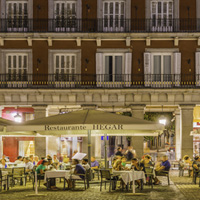
- Madrid’s Plaza Mayor – A historic square transformed into a bustling market with lights, decorations, and stalls selling everything from ornaments to *churros*.
- Barcelona’s Fira de Santa Llúcia – Held in front of the cathedral, this market is known for its *caganers* (quirky figurines of people squatting) and *tió de Nadal* (a log that "poops" small gifts when hit with sticks).
- Salamanca’s Mercado de Navidad – A charming market with a mix of traditional and modern goods, set against the backdrop of the city’s golden sandstone buildings.
- Seville’s Calle Sierpes – A lively shopping street decked out in lights, with street performers and pop-up bars serving *vinos calientes* (mulled wine).
Many cities also go all out with lights and decorations. Madrid’s Gran Vía, Barcelona’s Passeig de Gràcia, and Valencia’s Plaza del Ayuntamiento are particularly dazzling, with elaborate displays that draw crowds well into January.
New Year’s Celebrations
New Year’s Eve in Spain is a high-energy affair. The main event is the countdown to midnight, often watched on TV from Madrid’s Puerta del Sol, where thousands gather to eat grapes and toast with cava. Afterward, the party continues in bars, clubs, and private gatherings. In some cities, like Barcelona, fireworks and street performances add to the excitement.
New Year’s Day (*Año Nuevo*) is a quieter affair, with many people recovering from the night before. Families might gather for a leisurely lunch, and some towns hold parades or cultural events. The real finale of the holiday season, though, is Three Kings’ Day on January 6th, when children wake up to gifts left by the *Reyes Magos*. The day is marked by parades (*cabalgatas*) in nearly every town, featuring floats, candy throws, and elaborate costumes.
What to Expect as an Expat
If you’re used to a more subdued holiday season, Spain’s celebrations might feel overwhelming at first. Shops and restaurants may have limited hours around Christmas and New Year’s, and public transport can be crowded with travelers. That said, the festive atmosphere is infectious, and locals are generally welcoming to those who want to join in. If you’re invited to a Spanish home for *Nochebuena* or *Nochevieja*, bring a small gift—wine, chocolates, or *turrón* are safe choices.
For digital nomads, the holidays can be a great time to experience Spanish culture, but also a moment to plan ahead. Many coworking spaces close or operate on reduced hours, and cafes may be packed with families. If you need to work, booking a quiet spot in advance is a good idea.
About the Author
 Betsy Burlingame is the Founder and President of Expat Exchange and is one of the Founders of Digital Nomad Exchange. She launched Expat Exchange in 1997 as her Master's thesis project at NYU. Prior to Expat Exchange, Betsy worked at AT&T in International
and Mass Market Marketing. She graduated from Ohio Wesleyan University
with a BA in International Business and German.
Betsy Burlingame is the Founder and President of Expat Exchange and is one of the Founders of Digital Nomad Exchange. She launched Expat Exchange in 1997 as her Master's thesis project at NYU. Prior to Expat Exchange, Betsy worked at AT&T in International
and Mass Market Marketing. She graduated from Ohio Wesleyan University
with a BA in International Business and German.
Some of Betsy's articles include 12 Best Places to Live in Portugal, 7 Best Places to Live in Panama and 12 Things to Know Before Moving to the Dominican Republic. Betsy loves to travel and spend time with her family. Connect with Betsy on LinkedIn.
Additional Information:
- Spain Guide
- Healthcare & Health Insurance in Spain
- Members Talk about Healthcare & Health Insurance in Spain
- Best Places to Live in Spain
- Real Estate in Spain
- Guide to Real Estate in Spain
- Pros & Cons of Living in Spain
- Cost of Living in Spain
- Pros and Cons of Living in Spain
- How to Rent a Home in Spain
- How to Enroll in the Public Healthcare System in Spain
- 10 Best Places for Families to Live in Spain
- 2026 Guide to Living in Spain
- Pros and Cons of Living in Spain 2026
- 2026 Guide to Moving to Spain