Understanding the Health System in Gambia


Summary: Familiarize yourself with the health system in Gambia. Understand its usage options and constraints for those who choose to move to and reside there, including expats, digital nomads, and retirees.
Considering a move to Gambia? This small West African nation, officially known as the Republic of The Gambia, offers a unique blend of African culture, stunning landscapes, and vibrant communities. But before you pack your bags, there are a few things you should know to ensure a smooth transition into expat life. Here are ten essential tips to help you prepare for your move to Gambia.
1. Understanding the Local Culture and Traditions
Gambia is a multicultural society, with several ethnic groups coexisting peacefully. The majority of the population is Muslim, with a smaller percentage being Christian and animist. Greetings are essential in Gambian culture, and knowing a few phrases in local languages like Wolof or Mandinka can help build rapport with locals. Handshakes are common, and it's customary to ask about one's family during greetings. Additionally, Gambians are known for their hospitality and communal way of life, with extended families often living together and sharing meals.
2. The Climate: Hot and Humid
Gambia has a tropical climate, characterized by hot and humid weather throughout the year. The dry season, from November to May, is marked by warm days and cool nights, while the rainy season, from June to October, brings heavy rainfall and high humidity. Expect temperatures to range between 25°C to 32°C (77°F to 90°F) throughout the year. Be prepared for the heat by packing light, breathable clothing and ensuring your accommodation has adequate ventilation or air conditioning.
3. Navigating the Local language Landscape
English is the official language of Gambia, making communication easier for many expats. However, several local languages are widely spoken, such as Wolof, Mandinka, and Fula. Learning a few phrases in these languages can enhance your integration into local communities. Additionally, Gambians often use a unique blend of English and local languages, known as "Gambian English," which may take some time to understand fully.
4. Exploring the Local Cuisine
Gambian cuisine is a delightful fusion of West African and European influences. Staple foods include rice, fish, peanuts, and various tropical fruits. Must-try dishes include benachin (jollof rice), domoda (peanut stew), and yassa (spicy grilled chicken or fish). Street food is also popular, with vendors selling an assortment of snacks like akara (bean fritters) and chereh (fried dough balls). Be prepared for spicy food, as Gambians often use chili peppers in their cooking.
5. Safety and Security
Gambia is generally considered safe, with low crime rates compared to other countries in the region. However, petty crimes like pickpocketing and bag snatching can occur, especially in crowded areas and tourist hotspots. To minimize risks, keep valuables secure, avoid isolated areas at night, and be cautious when using public transportation. Additionally, it's essential to stay informed about any political developments, as the country has experienced periods of instability.
6. The Art of Bargaining
Bargaining is a common practice in Gambia, particularly in markets and when dealing with street vendors. Prices are often negotiable, and haggling is seen as a social interaction rather than a confrontation. To get the best deals, be prepared to bargain respectfully and patiently. Start by offering a lower price than what you're willing to pay, and gradually increase your offer until you reach an agreement. Remember, a smile and a friendly attitude can go a long way in securing a good deal.
7. and Medical Facilities
Healthcare facilities in Gambia may not meet the standards you're accustomed to in your home country. Public hospitals and clinics often face resource limitations, while private facilities can be expensive. It's crucial to have comprehensive health insurance that covers medical evacuation if necessary. Additionally, be prepared for the prevalence of tropical diseases like malaria, dengue fever, and yellow fever. Consult a healthcare professional before your move to discuss vaccinations and preventive measures.
8. The Importance of Patience and Flexibility
Life in Gambia often moves at a slower pace than in many Western countries. Bureaucratic processes can be time-consuming, and punctuality may not always be strictly observed. To adapt to this laid-back atmosphere, cultivate patience and flexibility. Embrace the concept of "Gambia Maybe Time," which reflects the local attitude towards time management. Expect schedules to be fluid and plans to change unexpectedly.
9. Embracing the Natural Beauty
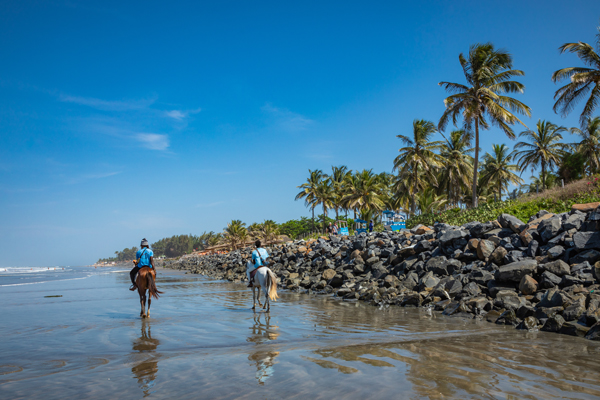
Gambia is home to diverse landscapes, from pristine beaches along the Atlantic coast to lush mangrove forests and vibrant wildlife reserves. The Gambia River, which runs through the country, offers opportunities for boat cruises and birdwatching. Spend time exploring national parks like Abuko Nature Reserve and Kiang West National Park, where you can spot various bird species, monkeys, and even crocodiles. Embrace the natural beauty that Gambia has to offer, and you'll find endless opportunities for adventure and relaxation.
10. Building a Support Network
Moving to a new country can be challenging, but building a support network can make the transition smoother. Connect with other expats through online forums, social media groups, and local events. Engaging with the local community is also essential. Participate in cultural events, volunteer for local organizations, and be open to new friendships. Gambians are known for their warmth and hospitality, and forming genuine connections can enrich your expat experience significantly.
By keeping these ten essential tips in mind, you'll be well-prepared to embrace the unique challenges and rewards of living in Gambia. Welcome to your new adventure!
Insider Tips from Expats in Gambia: How to Navigate the Health System
"Gambia has a public healthcare system that provides basic healthcare services to its citizens. The quality of public healthcare in Gambia is generally considered to be low, with limited access to specialized care and medications. Foreign residents in Gambia are able to access the public healthcare system, but the quality of care is not as high as in other countries. Expats in Gambia typically use private healthcare services, which are more expensive but offer better quality care. Private healthcare services are available in major cities, but access to these services is limited in rural areas," commented one member living in Gambia.
"Emergency services in Gambia are limited and vary in quality. In the event of an emergency, the best way to call for an ambulance is to dial the Gambian emergency number, 112. This number is free to call and connects to the Gambian Emergency Medical Services (GEMS). GEMS is a non-profit organization that provides emergency medical services to the public. They have a fleet of ambulances and medical personnel that are available 24 hours a day, 7 days a week," commented one member living in Gambia.
About the Author
 Betsy Burlingame is the Founder and President of Expat Exchange and is one of the Founders of Digital Nomad Exchange. She launched Expat Exchange in 1997 as her Master's thesis project at NYU. Prior to Expat Exchange, Betsy worked at AT&T in International
and Mass Market Marketing. She graduated from Ohio Wesleyan University
with a BA in International Business and German.
Betsy Burlingame is the Founder and President of Expat Exchange and is one of the Founders of Digital Nomad Exchange. She launched Expat Exchange in 1997 as her Master's thesis project at NYU. Prior to Expat Exchange, Betsy worked at AT&T in International
and Mass Market Marketing. She graduated from Ohio Wesleyan University
with a BA in International Business and German.
Some of Betsy's articles include 12 Best Places to Live in Portugal, 7 Best Places to Live in Panama and 12 Things to Know Before Moving to the Dominican Republic. Betsy loves to travel and spend time with her family. Connect with Betsy on LinkedIn.
Additional Information: