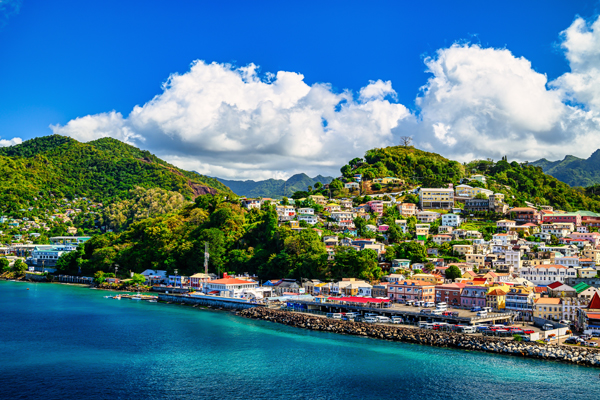
Understanding the Health System in Grenada


Summary: Familiarize yourself with the health system in Grenada. Understand its usage options and constraints for those who choose to move to and reside there, including expats, digital nomads, and retirees.
Considering a move to Grenada, the Spice Isle of the Caribbean? This lush, vibrant nation offers a unique blend of culture, natural beauty, and warmth. But before you pack your bags, there are a few things you should know. Here are ten essential tips to help you navigate the realities of expat life in Grenada.
1. Embrace the Pace of Island Life
Grenada operates on 'island time,' a pace that's considerably slower than what you might be used to. This laid-back approach to life is part of the island's charm but can take some getting used to. Expect longer wait times for services and a more relaxed attitude towards punctuality. Locals often refer to this as 'liming,' enjoying the moment without rushing.
2. Understand the Cost of Living
While not as expensive as some Caribbean islands, Grenada's can be higher than you might expect. Imported goods are particularly pricey due to high import duties. However, locally grown produce and street food are affordable. Luxury items and dining out can add up quickly, so consider your budget accordingly. As an example, a modest dinner out for two can range from 50 to 150 EC (Eastern Caribbean dollars).
3. Explore the Housing Market
Finding the right accommodation is crucial. Rental properties vary greatly, from luxurious villas to more modest apartments. Prices also vary, with a two-bedroom apartment ranging from 1,500 to 5,000 EC per month. It's essential to visit potential homes, as online listings can be misleading. Also, consider factors like proximity to amenities and the condition of the roads leading to the property.
4. Get to Know the System
Grenada has a mix of public and private healthcare. The public system is generally adequate for minor issues, but private clinics offer better facilities and shorter wait times. Private health insurance is recommended, as costs can add up. For serious medical issues, expats often choose to go to neighboring islands like Barbados or Trinidad for treatment.
5. Navigate the Driving Culture
Driving in Grenada can be an adventure. Roads are often narrow and winding, with steep inclines and potholes. Drivers frequently use their horns to signal everything from 'hello' to 'watch out!' Additionally, Grenada drives on the left, which may take some getting used to. Public transport is available but not always reliable, so many expats choose to drive.
6. Prepare for the Climate
Grenada enjoys a tropical climate year-round, with temperatures averaging between 24°C to 30°C. However, the humidity can be intense, especially during the rainy season from June to December. Air conditioning is a must for many expats, but it can significantly increase your electricity bill. Also, be prepared for the occasional hurricane or tropical storm.
7. Immerse Yourself in the Local Culture
Grenada's culture is a vibrant blend of African, Caribbean, and European influences. From steel pan music to traditional dance, there's always something to experience. The annual Spicemas Carnival is a highlight, featuring colorful parades and soca music. Engaging with the local culture is a great way to connect with the community and enrich your expat experience.
8. Understand the Job Market
Finding work in Grenada can be challenging, as the job market is relatively small. Teaching, tourism, and healthcare are some of the more common fields for expats. Networking is crucial, as many jobs are filled through word-of-mouth. It's also important to note that Grenada has policies in place to prioritize local employment.
9. Learn About the Education System
Grenada offers both public and private school options. The standard of education is generally good, with a focus on core subjects and extracurricular activities. However, resources can be limited, and class sizes can be large. Many expats choose international schools, but these come with higher fees. St. George's University is a notable institution, attracting students from around the world.
10. Engage with the Expat Community
Grenada has a welcoming expat community, with many groups and social events to help you connect with others. These communities can provide valuable advice, support, and friendship as you navigate your new life. Locals are also generally friendly and welcoming, making it easy to build a social network. Don't hesitate to reach out and engage with these communities.
Moving to Grenada is more than just a change of scenery; it's a lifestyle shift. With its unique blend of culture, natural beauty, and warmth, Grenada offers a rich expat experience. By understanding and preparing for the realities of island life, you can make the most of your new adventure.
Insider Tips from Expats in Grenada: How to Navigate the Health System
"Grenada offers a range of healthcare services, including primary care, specialist care, and hospital services. The public healthcare system is managed by the Ministry of Health and is funded by the government. The quality of public healthcare is generally good, with a range of services available. Foreign residents have access to the public healthcare system, although they may need to pay for some services. Expats in Grenada can use the public healthcare system, although they may need to pay for some services. Expats may also choose to use private healthcare services, which are available in Grenada," commented one member living in Grenada.
"Emergency services in Grenada are generally reliable and efficient. In the event of an emergency, the best way to call for an ambulance is to dial 911. This will connect you to the local emergency services, who will be able to dispatch an ambulance to your location," commented one member living in Grenada.
About the Author
 Betsy Burlingame is the Founder and President of Expat Exchange and is one of the Founders of Digital Nomad Exchange. She launched Expat Exchange in 1997 as her Master's thesis project at NYU. Prior to Expat Exchange, Betsy worked at AT&T in International
and Mass Market Marketing. She graduated from Ohio Wesleyan University
with a BA in International Business and German.
Betsy Burlingame is the Founder and President of Expat Exchange and is one of the Founders of Digital Nomad Exchange. She launched Expat Exchange in 1997 as her Master's thesis project at NYU. Prior to Expat Exchange, Betsy worked at AT&T in International
and Mass Market Marketing. She graduated from Ohio Wesleyan University
with a BA in International Business and German.
Some of Betsy's articles include 12 Best Places to Live in Portugal, 7 Best Places to Live in Panama and 12 Things to Know Before Moving to the Dominican Republic. Betsy loves to travel and spend time with her family. Connect with Betsy on LinkedIn.
Additional Information:
- Grenada Guide
- Healthcare & Health Insurance in Grenada
- Members Talk about Healthcare & Health Insurance in Grenada
- Best Places to Live in Grenada
- Real Estate in Grenada
- Guide to Real Estate in Grenada
- Pros & Cons of Living in Grenada
- Cost of Living in Grenada
- Homeschooling in Grenada
- How to Enroll Your Children in School in Grenada
- Educational System in Grenada
- 10 Things to Know Before Moving to Grenada
- Pros and Cons of Living in Grenada 2026