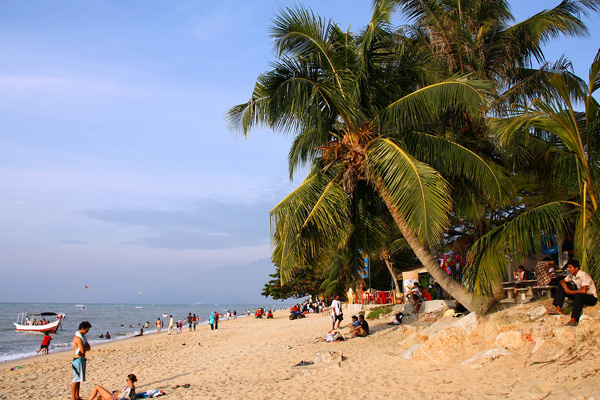
Understanding the Health System in Malaysia


Summary: Gain insight into the health care system in Malaysia. Explore its accessibility and limitations for expatriates, remote workers, retirees, and others who choose to live in Malaysia.
Malaysia, a vibrant and multicultural country in Southeast Asia, attracts many expats and digital nomads with its rich history, delicious food, and bustling cities. One of the first tasks for new arrivals is often setting up a local bank account. This guide will walk you through the process of opening a bank account in Malaysia, providing essential information for foreigners and digital nomads.
Can foreigners open bank accounts in Malaysia?
Yes, foreigners can open bank accounts in Malaysia. Most banks in Malaysia welcome foreigners; however, the types of accounts and services available may vary depending on the bank and the visa type. It's important to note that some banks may require a long-term visa or work permit to open an account.
What are the different types of bank accounts?
Malaysian banks offer several types of accounts, with the most common being savings accounts, current accounts, and fixed deposit accounts. Savings accounts are suitable for daily use and offer interest on deposits. Current accounts are ideal for frequent transactions and offer features like checkbooks and overdraft facilities. Fixed deposit accounts provide higher interest rates but have a fixed tenure.
Which US bank has branches in Malaysia?
Citibank is the US bank with a significant presence in Malaysia. It offers a range of services tailored to expats, including current and savings accounts, credit cards, and wealth management services. Having an account with Citibank in the US can simplify the process of opening an account in Malaysia.
What are the best banks in Malaysia for expats?
Some of the best banks in Malaysia for expats include Maybank, CIMB Bank, and Public Bank. Maybank is the largest bank in Malaysia, offering a wide range of services and extensive branch and ATM networks. CIMB Bank provides competitive exchange rates and convenient online banking services. Public Bank is known for its efficient customer service and user-friendly digital platforms. These banks are popular among expats due to their accessibility, range of services, and English-speaking staff.
Can I open a bank account in Malaysia before I move there and how?
Opening a bank account in Malaysia before moving there can be challenging, as most banks require applicants to be physically present in the country. However, some international banks, like Citibank, may allow you to open an account before arriving if you are an existing customer in your home country. Alternatively, you can explore online banking options that cater to digital nomads and expats, such as Revolut or Wise, which can be set up before your move.
What are the requirements for opening a bank account in Malaysia?
To open a bank account in Malaysia, foreigners typically need to provide the following documents: a valid passport, a valid visa (such as a work permit, student visa, or Malaysia My Second Home [MM2H] visa), proof of address (utility bills, rental agreement, etc.), a letter of employment or recommendation, and an initial deposit. Some banks may also require a local reference or a letter from your embassy. It's essential to check the specific requirements with the bank you choose, as they may vary.
What are the steps involved for a foreigner opening a bank account in Malaysia?
To open a bank account in Malaysia, follow these steps: 1. Choose a bank that suits your needs and accepts foreign applicants. 2. Gather all the required documents, including your passport, visa, proof of address, and any additional paperwork specified by the bank. 3. Visit the bank branch in person to submit your application. Some banks may allow you to start the process online, but you will likely still need to visit a branch to complete it. 4. Fill out the application form provided by the bank and submit it along with your documents. 5. Make the initial deposit required to open the account. 6. Wait for your ATM card, checkbook, and other banking materials to be issued. This process can take several days to a few weeks, depending on the bank.
Insider Tips from Expats in Malaysia: How to Navigate the Health System
"Excellent clinics with Providers trained internationally, many with US Board certification -- especially true at private hospitals and clinics," commented one expat living in Georgetown, Malaysia.
"Malaysia offers a wide range of healthcare services, including primary care, specialist care, and hospital services. The public healthcare system in Malaysia is generally of good quality and is accessible to both citizens and foreign residents. Expats in Malaysia can use the public healthcare system, but they may need to pay for some services. The public healthcare system is funded by the government and is free for citizens, although there may be charges for certain services. Expats in Malaysia can access the public healthcare system by registering with a local clinic or hospital. They may also be able to access private healthcare services, which are generally of a higher quality than the public system. Expats may need to pay for private healthcare services, but they may be able to claim some of the costs back through their insurance," mentioned one expat living in Malaysia.
"Emergency services in Malaysia are generally reliable and efficient. In the event of an emergency, the public can call for an ambulance by dialing the emergency hotline number, 999. The call will be answered by a trained operator who will assess the situation and dispatch an ambulance to the scene. The ambulance will be staffed with trained medical personnel who can provide medical assistance and transport the patient to the nearest hospital," commented one member living in Malaysia.
"Emergency services respond quickly. Public and private hospitals are within 5 miles, clinics within a few blocks. Quality of care is on par with global high-level expertise. Hospitals are both public and private. Call for an ambulance with emergency call numbers," mentioned one expat living in Malaysia.
About the Author
 Betsy Burlingame is the Founder and President of Expat Exchange and is one of the Founders of Digital Nomad Exchange. She launched Expat Exchange in 1997 as her Master's thesis project at NYU. Prior to Expat Exchange, Betsy worked at AT&T in International
and Mass Market Marketing. She graduated from Ohio Wesleyan University
with a BA in International Business and German.
Betsy Burlingame is the Founder and President of Expat Exchange and is one of the Founders of Digital Nomad Exchange. She launched Expat Exchange in 1997 as her Master's thesis project at NYU. Prior to Expat Exchange, Betsy worked at AT&T in International
and Mass Market Marketing. She graduated from Ohio Wesleyan University
with a BA in International Business and German.
Some of Betsy's articles include 12 Best Places to Live in Portugal, 7 Best Places to Live in Panama and 12 Things to Know Before Moving to the Dominican Republic. Betsy loves to travel and spend time with her family. Connect with Betsy on LinkedIn.
Additional Information:
- Malaysia Guide
- Healthcare & Health Insurance in Malaysia
- Members Talk about Healthcare & Health Insurance in Malaysia
- Best Places to Live in Malaysia
- Real Estate in Malaysia
- Guide to Real Estate in Malaysia
- Pros & Cons of Living in Malaysia
- Cost of Living in Malaysia
- How to Enroll Your Children in School in Malaysia
- Educational System in Malaysia
- 10 Things to Know Before Moving to Malaysia
- How to Buy a Home in Malaysia
- 2026 Guide to Living in Malaysia
- Pros and Cons of Living in Malaysia 2026
- 2026 Guide to Moving to Malaysia