Ivory Coast
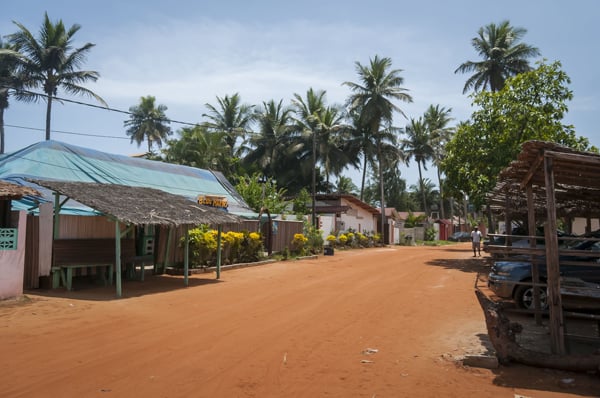
Coastal BeachesIvory Coast, located on the west coast of Africa, is the world's largest cocoa producer and a key economic hub in West Africa. The country features diverse landscapes ranging from coastal beaches to rainforests and savannas, with a population of over 26 million people. Abidjan is the largest city and economic center, while Yamoussoukro serves as the political capital. The culture is vibrant and diverse, with over 60 ethnic groups, French as the official language, and a rich tradition of music, art, and cuisine. The economy is primarily driven by agriculture, particularly cocoa and coffee exports, though the country is diversifying into other sectors. Life in Ivory Coast offers a blend of urban development and traditional African culture, with growing infrastructure and business opportunities.
 SJB Global
Connect
SJB-Global is a top-rated financial advisory firm specializing in expat financial advice worldwide, offering retirement planning & tax-efficient solutions with a regressive fee model. Our clients benefit from their country’s most favorable tax environment by utilizing the efficient investment vehicles we offer. Our commitment to quality service is reflected in our stellar reviews, with over 300 testimonials boasting 95% five-star ratings.
Click connect to have our partner contact you via e-mail and/or phone.
SJB GlobalSJB-Global is a top-rated financial advisory firm specializing in expat financial advice worldwide, offering retirement planning & tax-efficient solutions with a regressive fee model. Our clients benefit from their country’s most favorable tax environment by utilizing the efficient investment vehicles we offer. Our commitment to quality service is reflected in our stellar reviews, with over 300 testimonials boasting 95% five-star ratings.
Connect
Click connect to have our partner contact you via e-mail and/or phone.
Podcasts
Episode 6: Jake Barber - Expat Finance Expert and Lifelong Expat



Episode 8: Jake Barber - The Expat Finance Expert Returns
Living in Ivory Coast
Best Places to Live in Ivory Coast
Visa & Residency
Obtaining a residency in Ivory Coast involves several steps and can be considered an average challenge for expats. The process begins with the expat applying for an entry visa, which is typically a short-term visa that allows them to enter the country. Once in Ivory Coast, expats must then apply for a Carte de Séjour, or a residency card, to stay for a longer period. The most common type of visa for expats looking to obtain residency is the Ivorian Long-Term Visa. This visa can be issued for various purposes such as employment, family reunification, or study. To apply for this visa, expats must provide a range of documents, including a valid passport, proof of sufficient financial means, a criminal background check, medical insurance, and a letter explaining the reasons for their stay. Additional documents may be required depending on the specific circumstances of the applicant, such as a work contract or proof of enrollment in an educational institution. Once the long-term visa is granted, it typically allows the holder to live in Ivory Coast for up to one year. This visa is renewable, and expats must apply for renewal before it expires to maintain their legal status in the country. The renewal process requires expats to demonstrate that they continue to meet the conditions of their visa, such as continued employment or study. For digital nomads, the Ivorian Long-Term Visa is also the most practical option. It allows them to live and work remotely in Ivory Coast for the duration of the visa. Digital nomads must provide evidence of their remote work and income, as well as the standard visa application documents. The difficulty of the process can vary based on individual circumstances and the efficiency of the Ivorian authorities at the time of application. It is advisable for expats to begin the visa application process well in advance of their intended move date and to seek assistance from local experts or legal professionals if necessary. This can help to navigate any potential language barriers or bureaucratic challenges that may arise during the application process.
Healthcare in Ivory Coast
The system in Ivory Coast is a mix of public and private facilities. The public healthcare system is accessible to all citizens and legal residents, including expatriates and digital nomads who have the necessary legal status. However, the quality of public healthcare can vary significantly, with urban areas typically having better-equipped facilities than rural ones. Private healthcare in Ivory Coast offers higher quality services with more modern equipment and shorter waiting times, but at a higher cost. Expats and digital nomads usually opt for private healthcare and are advised to have comprehensive health insurance. Access to public healthcare for expats and digital nomads is possible once they are legally registered in the country and contribute to the social security system, although many prefer private healthcare due to its higher quality and efficiency.
Cost of Living
The cost of living in Ivory Coast is generally low compared to Western countries, though higher than some neighboring African nations. Rental prices vary significantly by location, with apartments in Abidjan ranging from $300-800 USD monthly for modest accommodations to $1,500+ for upscale areas. Housing and daily essentials like food and transportation are affordable, particularly outside major urban centers. Expats can live comfortably on a moderate budget, though imported goods and Western amenities command premium prices.
Weather
Ivory Coast has a tropical climate with two main rainy seasons: May to July and October to November, with the heaviest rainfall occurring in the southwest. Temperatures remain warm year-round, typically ranging from 24°C to 32°C (75°F to 90°F), with higher humidity during rainy periods. The dry season from December to April offers more comfortable conditions with lower humidity. Coastal areas tend to be slightly cooler and more humid than inland regions.
Educational System in Ivory Coast
The educational system in Ivory Coast is structured similarly to the French model, as Ivory Coast was a French colony until 1960. Education is compulsory for children between the ages of 6 and 16. The system is divided into three main levels: primary, secondary, and higher education. Primary education lasts for six years, leading to the Certificate of Primary Elementary Education. Secondary education is divided into two cycles: the first cycle is four years, culminating in the Diploma of the First Cycle of Secondary Education, and the second cycle is three years, leading to the Baccalaureate. The school year in Ivory Coast typically runs from September to July. French is the language of instruction in most schools. The quality of education varies, with urban areas generally providing better facilities and resources than rural areas. Private schools are available and are often sought by expatriate families for their higher standards and international curricula. After completing the Baccalaureate, students are eligible to enter university or other higher education institutions.
Living in Ivory Coast
Healthcare in Ivory Coast
Moving to Ivory Coast