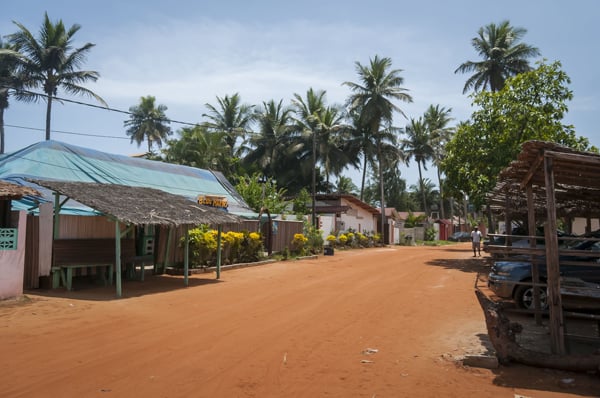
Culture Shock in Ivory Coast


Summary: If you're planning a move to Ivory Coast, or have recently settled there, it's natural to encounter some culture shock as you adjust to your new surroundings. Our insightful article is designed to help you navigate this transition smoothly. It offers practical tips and draws on the experiences of fellow expats who have successfully embraced the cultural nuances of Ivory Coast.
Moving to Ivory Coast, or Côte d'Ivoire as it's known locally, is an exciting adventure filled with rich cultural experiences, breathtaking landscapes, and warm, welcoming people. However, as with any international move, it's normal to wonder about culture shock. Here's a guide to help you understand and navigate the cultural shifts you might experience.
1. Phases of Culture Shock in Ivory Coast
Culture shock typically comes in phases, and Ivory Coast is no exception. Initially, you might experience the honeymoon phase, where the new culture is exciting and filled with wonder. The local markets, vibrant colors, and traditional music will captivate you. However, this phase is often followed by frustration and confusion as you encounter cultural differences. Over time, you'll adjust and eventually integrate into the local culture, finding a balance between your old life and your new one.
2. language Barrier: French and Local Languages
French is the official language of Ivory Coast, and while many locals speak it, there are also numerous indigenous languages. If you're still learning French, you might find communication challenging at first. However, Ivorians are generally patient and appreciative of efforts to communicate in their language. Consider enrolling in a French course before or after your move to ease the transition. Additionally, learning a few phrases in local languages like Dyula or Baoulé can help build connections.
3. Biggest Cultural Faux Pas in Ivory Coast
To help you navigate Ivory Coast's cultural landscape, here are the five biggest faux pas to avoid:
- Disrespecting Elders: Ivorian culture holds great respect for elders. Always greet them first and show deference in conversations.
- Using the Left Hand: In Ivory Coast, the left hand is considered unclean. Always use your right hand for eating, greeting, and giving or receiving items.
- Refusing Food or Drink: Ivorians value hospitality. Refusing offered food or drink can be seen as disrespectful.
- Ignoring Greetings: Greetings are crucial in Ivorian culture. Always take the time to greet people properly, inquiring about their health and family.
- Public Displays of Affection: PDAs are generally frowned upon. Keep your interactions modest and respectful in public.
4. Expat Advice on Culture Shock in Ivory Coast
Expats living in Ivory Coast share their insights on navigating culture shock:
Embrace Patience: "Things move at a different pace here," says Marie, a French expat. "You have to embrace patience and understand that timelines are more flexible."
Build Local Connections: "Making local friends helped me understand the culture better," shares John, an American expat. "They introduced me to local customs, food, and even improved my French."
Keep an Open Mind: "Ivorian culture is diverse and vibrant," explains Lisa, a British expat. "Keeping an open mind helped me appreciate the differences and enjoy the experience."
Learn the Language: "Learning French and some local phrases made a huge difference," says David, a Canadian expat. "It showed respect for the culture and made communication much easier."
Explore the Country: "Ivory Coast has so much to offer, from beaches to national parks," shares Sarah, an Australian expat. "Exploring the country helped me connect with its culture and history."
5. Navigating Business Culture in Ivory Coast
For those to Ivory Coast for work, understanding the business culture is crucial. Hierarchy is highly respected, so always defer to senior colleagues. Personal relationships are vital in business, so take the time to build connections. Business meetings often start with small talk, inquiring about health and family before diving into business matters. Additionally, punctuality is expected, so arrive on time for meetings.
6. Adapting to Ivorian Social Norms
Ivorian society is communal, with strong family and social bonds. Greetings are essential, with a common greeting being "Bonjour, ça va?" (Hello, how are you?). Be prepared to inquire about and discuss family, health, and well-being. Ivorians also have a vibrant social scene, with music, dance, and festivals playing a significant role in daily life. Embracing these aspects can enrich your experience and help you integrate into the community.
7. Understanding Ivorian Cuisine and Dining Etiquette
Ivorian cuisine is diverse and flavorful, with staples like attiéké (cassava couscous), kedjenou (chicken stew), and alloco (fried plantain). Dining is often communal, with shared dishes and utensils. Remember to use your right hand for eating and always wash your hands before and after meals. Tipping is not mandatory but appreciated, especially in urban areas.
8. Respecting Local Customs and Traditions
Ivory Coast is home to numerous ethnic groups, each with its customs and traditions. Respecting these is essential. For instance, always ask permission before taking photographs, especially of local people or sacred sites. Additionally, dress modestly, especially when visiting rural areas or religious sites. Participating in local festivals and events can provide valuable insights into Ivorian culture and help you connect with the community.
Moving to Ivory Coast is a journey filled with cultural richness, new experiences, and personal growth. By understanding and respecting the local culture, you can navigate culture shock and create a fulfilling life in your new home.
"I'm still too freshly arrived, I think, to give an adequate answer. I am having a difficult time adjusting to my new, and very comfortable, way of life. Staff to cook, clean, drive, tend the garden... I'm looking forward to finding something productive or interesting to do with my time. I'm lonely," said one expat living in Abidjan.
"The streets are so active, day and night. I think the Ivoiriens are a particularly handsome people, and I love their sense of style - beautiful fabric made into shirts for the men and pagnes for the women. People make an effort to look their best here, from educated business people to produce vendors on the side of the road. And although I have, as a blonde-haired, blue-eyed white woman, definitely been the recipient of many long looks, I have never felt threatened in any way," said one expat living in Abidjan.
"Again, seeing the filth in the streets, and the deteriorating infrastructure. So many wonderful buildings left unfinished or abandoned. I have come to appreciate this place in a very short time, and I find myself wanting very much for it to be reborn as the vibrant city it once was," commented an expat living in Abidjan.
About the Author
 Joshua Wood, LPC joined Expat Exchange in 2000 and serves as one of its Co-Presidents. He is also one of the Founders of Digital Nomad Exchange. Prior to Expat Exchange, Joshua worked for NBC Cable (MSNBC and CNBC
Primetime). Joshua has a BA from Syracuse and a Master's in Clinical and Counseling Psychology from Fairleigh Dickinson University. Mr. Wood is also a licensed counselor and psychotherapist.
Joshua Wood, LPC joined Expat Exchange in 2000 and serves as one of its Co-Presidents. He is also one of the Founders of Digital Nomad Exchange. Prior to Expat Exchange, Joshua worked for NBC Cable (MSNBC and CNBC
Primetime). Joshua has a BA from Syracuse and a Master's in Clinical and Counseling Psychology from Fairleigh Dickinson University. Mr. Wood is also a licensed counselor and psychotherapist.
Some of Joshua's articles include Pros and Cons of Living in Portugal, 10 Best Places to Live in Ireland and Pros and Cons of Living in Uruguay. Connect with Joshua on LinkedIn.
Additional Information:
- Ivory Coast Guide
- Healthcare & Health Insurance in Ivory Coast
- Members Talk about Healthcare & Health Insurance in Ivory Coast
- Best Places to Live in Ivory Coast
- Guide to Real Estate in Ivory Coast
- Pros & Cons of Living in Ivory Coast
- Cost of Living in Ivory Coast
- How to Rent a Home in Ivory Coast
- How to Enroll in the Public Healthcare System in Ivory Coast
- Getting a Driver's License in Ivory Coast
- Essential Guide to the Health System in Ivory Coast
- Pros and Cons of Living in Ivory Coast 2026