How to Enroll in the Public Healthcare System in Nicaragua


Summary: A primer on how to enroll in the public healthcare system in Nicaragua.
If you're planning to enroll in the public healthcare system in Nicaragua, this article covers the requirements for foreigners to be able enroll in the public healthcare system, the steps involved and more.
Nestled in the heart of Central America, Nicaragua is a vibrant and diverse country that has been gaining traction as an expat destination. With its colonial architecture, stunning landscapes, and warm tropical climate, it's no wonder that many are considering a move to this enchanting land. But what are the pros and cons of living in Nicaragua? Let's delve into the details to help you make an informed decision.
Pros of Living in Nicaragua
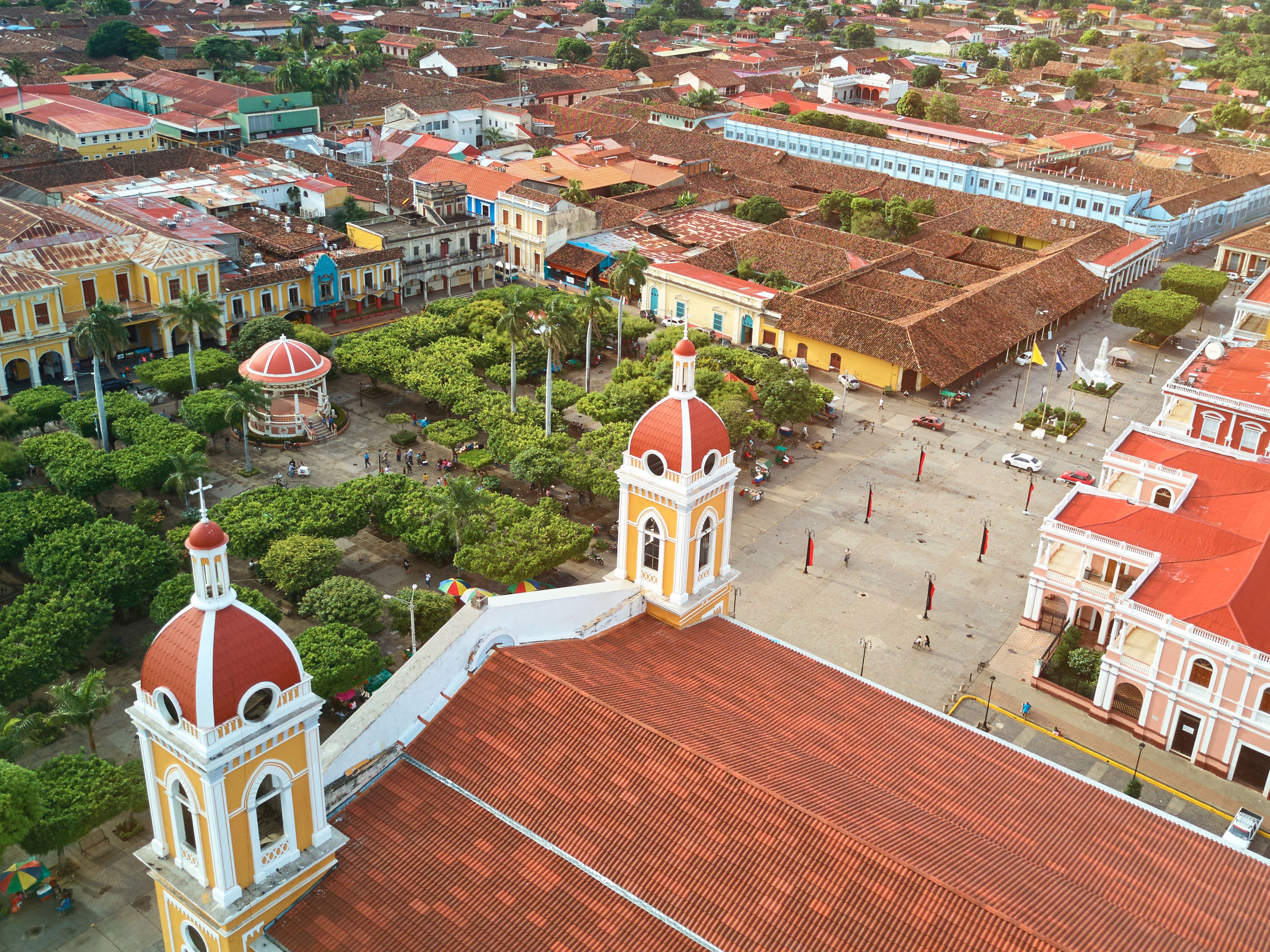
Nicaragua is often praised for its remarkable natural beauty, rich culture, and affordable cost of living. One of the primary advantages of living in Nicaragua is its affordability. Compared to many other countries, the here is significantly lower. Housing, food, and services are all reasonably priced, allowing expats to enjoy a higher quality of life for less. For instance, a comfortable three-bedroom home in a city like Granada can be rented for as little as $500 a month, and a meal at a local restaurant often costs less than $5. Another major draw is Nicaragua's stunning natural beauty. The country boasts a diverse range of landscapes, from lush rainforests and pristine beaches to towering volcanoes and tranquil lakes. The Pacific coast is a surfer's paradise, with consistent waves and warm waters year-round. Places like San Juan del Sur offer a laid-back beach lifestyle that attracts expats from around the world. Meanwhile, the colonial cities of Granada and León are steeped in history and charm, with vibrant architecture and a lively cultural scene. The warm and welcoming local culture is another significant advantage. Nicaraguans, or Nicas as they are affectionately known, are renowned for their hospitality and friendliness. Expats often find it easy to integrate into local communities, and many report feeling a strong sense of belonging. Learning a bit of Spanish can go a long way in fostering these connections, and language schools are abundant in popular expat destinations. Nicaragua also offers a favorable climate for those who enjoy tropical weather. The country enjoys a warm, sunny climate year-round, with temperatures rarely dipping below 70°F (21°C). This makes it an ideal destination for those looking to escape cold winters and enjoy a more outdoor-oriented lifestyle. For those interested in investment opportunities, Nicaragua presents a variety of options. Real estate, in particular, is relatively affordable and can offer good returns, especially in areas popular with tourists and expats. The country's growing tourism industry also provides opportunities for entrepreneurs looking to start businesses such as hotels, restaurants, or tour companies. Lastly, Nicaragua's proximity to other Central American countries makes it an excellent base for exploring the region. With easy access to neighboring countries like Costa Rica, Honduras, and Panama, expats can enjoy a wide range of travel experiences without venturing too far from home.
Cons of Living in Nicaragua
While Nicaragua has many appealing aspects, it's essential to consider the potential downsides before making a move. One of the most significant challenges is the country's political instability. Nicaragua has a complex political history, and while it has made strides toward stability in recent years, unrest can still occur. Protests and demonstrations are not uncommon, and expats should be prepared for the possibility of political turmoil. Another concern is safety and security. While Nicaragua is generally considered safer than some of its Central American neighbors, crime does occur. Petty theft and robberies are the most common issues, but more serious crimes can also happen. Expats should take precautions to protect themselves and their property, such as avoiding isolated areas at night and being cautious with valuables. The infrastructure in Nicaragua is also a consideration. While improvements have been made in recent years, the country still faces challenges with roads, public transportation, and utilities. Power outages and water shortages can occur, especially in rural areas. Internet connectivity can also be unreliable, which may pose a problem for those who work remotely or rely on the internet for communication. Healthcare is another area where Nicaragua may fall short compared to more developed countries. While there are private clinics and hospitals that offer good care, the public healthcare system can be overburdened and underfunded. Expats often choose to purchase private health insurance to access better medical facilities, but this can be an additional expense to consider. The education system in Nicaragua may also be a concern for families with children. Public schools can be overcrowded and under-resourced, and the quality of education may not meet the standards that expats are accustomed to. Private and international schools are available, but they can be expensive. Homeschooling is another option, but it requires a significant commitment of time and resources. For those who plan to work in Nicaragua, the job market can be challenging. Unemployment is relatively high, and well-paying jobs can be scarce. Expats often find work in industries like tourism, education, or with international organizations, but competition for these positions can be fierce. Additionally, the bureaucracy involved in obtaining work permits and residency can be complex and time-consuming. Lastly, cultural differences can present challenges for expats. While Nicaraguans are generally welcoming, there may be cultural norms and practices that take some getting used to. For example, the concept of "Nica time" means that punctuality is not always a priority, and things may move at a slower pace than expats are accustomed to. Learning to adapt to these differences and embracing the local culture can help smooth the transition, but it may take time and patience.
Moving to Nicaragua can be an exciting and rewarding adventure, but it's essential to weigh the pros and cons carefully. From the stunning natural beauty and affordable cost of living to the political instability and infrastructure challenges, there is much to consider. By doing thorough research and being aware of both the advantages and the potential drawbacks, you can make an informed decision about whether Nicaragua is the right fit for you.
About the Author
 Betsy Burlingame is the Founder and President of Expat Exchange and is one of the Founders of Digital Nomad Exchange. She launched Expat Exchange in 1997 as her Master's thesis project at NYU. Prior to Expat Exchange, Betsy worked at AT&T in International
and Mass Market Marketing. She graduated from Ohio Wesleyan University
with a BA in International Business and German.
Betsy Burlingame is the Founder and President of Expat Exchange and is one of the Founders of Digital Nomad Exchange. She launched Expat Exchange in 1997 as her Master's thesis project at NYU. Prior to Expat Exchange, Betsy worked at AT&T in International
and Mass Market Marketing. She graduated from Ohio Wesleyan University
with a BA in International Business and German.
Some of Betsy's articles include 12 Best Places to Live in Portugal, 7 Best Places to Live in Panama and 12 Things to Know Before Moving to the Dominican Republic. Betsy loves to travel and spend time with her family. Connect with Betsy on LinkedIn.
Additional Information:
- Nicaragua Guide
- Healthcare & Health Insurance in Nicaragua
- Members Talk about Healthcare & Health Insurance in Nicaragua
- Best Places to Live in Nicaragua
- Real Estate in Nicaragua
- Guide to Real Estate in Nicaragua
- Pros & Cons of Living in Nicaragua
- Cost of Living in Nicaragua
- Top Hospitals in Nicaragua by Specialty
- Best Places to See While on a Look-See Trip to Nicaragua (Plus, Itineraries)
- Moving to Nicaragua with a Pet
- Understanding Mental Health in Nicaragua
- 2026 Guide to Living in Nicaragua
- Pros and Cons of Living in Nicaragua 2026
- 2026 Guide to Moving to Nicaragua