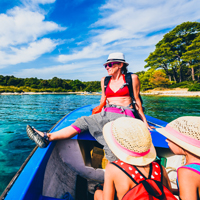
10 Things to Know Before Moving to Peru


Summary: If you're planning a move to Peru, here are 10 things expats living there wish they had known before moving to Peru.
Are you considering a move to Peru? This vibrant South American country offers a unique blend of ancient history, diverse landscapes, and rich cultural experiences. Before you pack your bags, it's important to understand the nuances of life in Peru. Here are ten essential things to know before to Peru.
1. Understand the Visa Requirements
Peru offers various types of visas for foreigners, including tourist visas, business visas, and retirement visas. The most common visa for expats is the "Carné de Extranjería," which allows you to live and work in Peru. Be sure to research the specific requirements and processes for the visa that suits your needs. It's advisable to consult with a local immigration lawyer or the Peruvian embassy in your home country for the most accurate and up-to-date information.
2. Master Some Spanish
While many Peruvians, especially in tourist areas, speak some English, having a grasp of Spanish will significantly enhance your experience. Spanish is the official language and is used in everyday life, from ordering food to dealing with bureaucracy. Enrolling in a Spanish course before your move or upon arrival can be incredibly beneficial. Even basic proficiency will help you navigate daily life and connect with locals on a deeper level.
3. Embrace the Cultural Diversity
Peru is a melting pot of cultures, with influences from the Inca, Spanish, African, and Asian communities. This diversity is reflected in the country's cuisine, festivals, and traditions. For example, the vibrant Inti Raymi festival in Cusco celebrates the Inca sun god, while the Afro-Peruvian community celebrates the Festival of the Black King in El Carmen. Immersing yourself in these cultural events will give you a richer understanding of Peru's heritage.
4. Prepare for Altitude Sickness
Many of Peru's popular destinations, such as Cusco and Lake Titicaca, are at high altitudes. Altitude sickness, or "soroche," can affect anyone, regardless of age or fitness level. Symptoms include headaches, nausea, and shortness of breath. To mitigate the effects, take it slow when you first arrive, stay hydrated, and consider chewing coca leaves or drinking coca tea, a local remedy. Medications like Diamox can also help, but consult a doctor before use.
5. Explore the Food Scene
Peruvian cuisine is world-renowned for its diversity and flavor. From ceviche (raw fish marinated in citrus) to lomo saltado (stir-fried beef), there's something for every palate. Street food is a big part of the culinary scene, with offerings like anticuchos (grilled beef hearts) and choclo con queso (corn with cheese). Be adventurous and try local delicacies, but be cautious with street food hygiene, especially when you're first adjusting to the local environment.
6. Navigate the Transportation System
Public transportation in Peru can be chaotic but efficient. Buses, known as "combis," are a common mode of transport in cities. They are cheap but can be crowded and sometimes unsafe. Taxis are widely available, but it's important to negotiate the fare before starting your journey. For longer distances, bus services like Cruz del Sur offer comfortable and reliable options. Always prioritize safety and be aware of your surroundings, especially when traveling alone or at night.
7. Understand the System
Peru's healthcare system is a mix of public and private providers. Public healthcare is generally less expensive but can be overcrowded and underfunded. Private healthcare offers better facilities and shorter wait times but at a higher cost. Many expats opt for private health insurance to access better care. It's crucial to research healthcare options and consider purchasing travel or health insurance that covers medical evacuation and repatriation.
8. Adapt to the Local Customs
Peruvians are known for their warmth and hospitality, but there are certain customs to be aware of. Greetings often involve a handshake and a warm "buenos días" or "buenas tardes." Punctuality is not strictly adhered to, and it's common for social events to start later than the scheduled time. Tipping is not mandatory but is appreciated in restaurants and for services. Understanding and respecting these customs will help you integrate more smoothly into the local community.
9. Expect a Slower Pace of Life
Life in Peru moves at a slower pace compared to many Western countries. Bureaucratic processes can be time-consuming, and appointments may not start on time. This can be frustrating for those used to a faster pace, but it's important to adjust your expectations and embrace the slower rhythm. Use this time to enjoy the simple pleasures of life, like savoring a cup of coffee or chatting with neighbors.
10. Prepare for Natural Disasters
Peru is prone to natural disasters, including earthquakes, floods, and mudslides. It's crucial to be prepared and know what to do in case of an emergency. Familiarize yourself with evacuation routes and emergency contact numbers. Keep a basic emergency kit with essentials like water, non-perishable food, a first-aid kit, and important documents. Staying informed and prepared can make a significant difference in an emergency situation.
Moving to Peru is an exciting adventure filled with new experiences and challenges. By understanding these essential aspects, you'll be better equipped to navigate the complexities of life in this fascinating country. Embrace the culture, stay open-minded, and enjoy the journey that Peru has to offer.
About the Author
 Joshua Wood, LPC joined Expat Exchange in 2000 and serves as one of its Co-Presidents. He is also one of the Founders of Digital Nomad Exchange. Prior to Expat Exchange, Joshua worked for NBC Cable (MSNBC and CNBC
Primetime). Joshua has a BA from Syracuse and a Master's in Clinical and Counseling Psychology from Fairleigh Dickinson University. Mr. Wood is also a licensed counselor and psychotherapist.
Joshua Wood, LPC joined Expat Exchange in 2000 and serves as one of its Co-Presidents. He is also one of the Founders of Digital Nomad Exchange. Prior to Expat Exchange, Joshua worked for NBC Cable (MSNBC and CNBC
Primetime). Joshua has a BA from Syracuse and a Master's in Clinical and Counseling Psychology from Fairleigh Dickinson University. Mr. Wood is also a licensed counselor and psychotherapist.
Some of Joshua's articles include Pros and Cons of Living in Portugal, 10 Best Places to Live in Ireland and Pros and Cons of Living in Uruguay. Connect with Joshua on LinkedIn.
Additional Information:
- Peru Guide
- Healthcare & Health Insurance in Peru
- Members Talk about Healthcare & Health Insurance in Peru
- Best Places to Live in Peru
- Real Estate in Peru
- Guide to Real Estate in Peru
- Pros & Cons of Living in Peru
- Cost of Living in Peru
- 5 Great Places to Retire in South America
- 2026 Guide to Living in Peru
- Pros and Cons of Living in Peru 2026