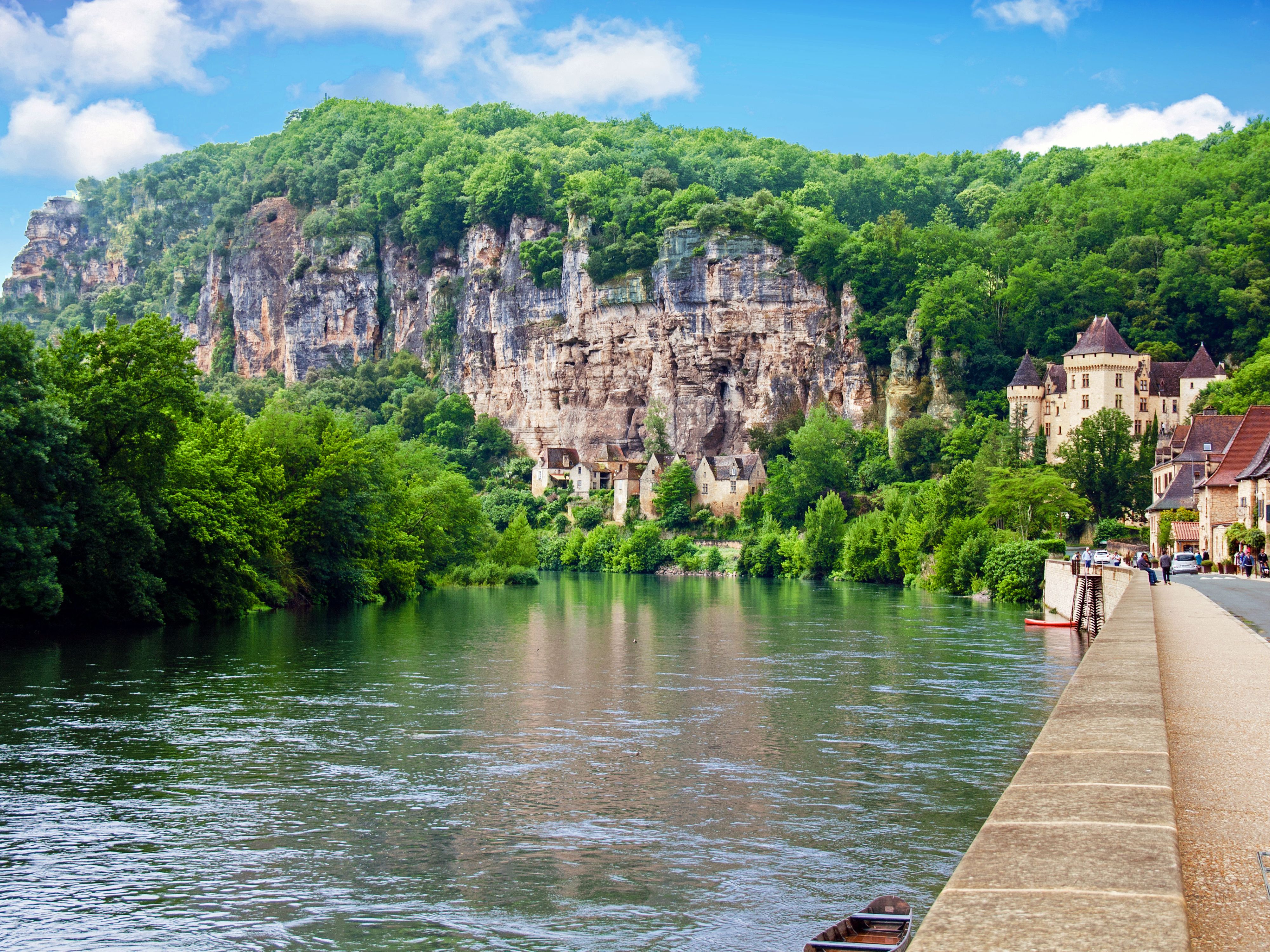
Retire in Dordogne Guide


Summary: Retire in Dordogne with confidence, armed with the knowledge from our extensive guide. It covers critical considerations for retirees, from the cost of living and climate to housing, healthcare, and residency choices in Dordogne. We also delve into the social and cultural scene, volunteering options, public transportation facilities, and the city's walkability, helping you make an informed decision.
Retiring in Dordogne is a dream for many international retirees. The region offers a unique blend of picturesque landscapes, rich history, and a relaxed lifestyle. The best things about retiring in Dordogne include the affordable cost of living, the mild climate, and the excellent healthcare system. However, challenges such as learning the French language and adapting to a new culture can also be part of the experience. Let's delve into what it's like to retire in this charming part of France.
Cost of Living
One of the main attractions for retirees in Dordogne is the affordable cost of living. Compared to many other parts of France and Europe, Dordogne offers a high quality of life at a lower cost. Housing, groceries, and dining out are all reasonably priced, making it possible to enjoy a comfortable lifestyle without breaking the bank.
Climate
Dordogne boasts a temperate climate, with warm summers and mild winters. The region is known for its beautiful spring and autumn seasons, making it an ideal place for outdoor activities throughout the year. However, it's worth noting that the region can experience heavy rainfall, particularly in the winter months.
Healthcare
France is renowned for its excellent healthcare system, and Dordogne is no exception. The region has several well-equipped hospitals and clinics, and retirees will find no shortage of highly qualified doctors and specialists. Many healthcare professionals in the area also speak English, which can be a relief for those who are still learning French.
Public Healthcare System
International retirees in France have the option to enroll in the country's public healthcare system, which provides high-quality medical care at a subsidized cost. However, it's important to note that eligibility for this system depends on residency status and other factors. Many retirees also choose to supplement this with private health insurance.
Residency Options for Retirees
France offers several options for retirees looking to establish residency. The most common is the long-stay visa, which allows retirees to live in France for up to a year. After five years of living in France, retirees can apply for permanent residency.
Parks and Recreational Activities
Dordogne is a paradise for nature lovers, with numerous parks, rivers, and hiking trails. The region is also home to several UNESCO World Heritage Sites, including the prehistoric caves of Lascaux. For those who enjoy golf, there are several well-maintained courses in the area.
Restaurants
Dordogne is known for its gastronomy, and retirees will find a plethora of restaurants serving local and international cuisine. Some popular options include Le Petit Lion, a charming bistro in the town of Bergerac, and La Table du Marché, a market-fresh restaurant in the heart of Sarlat.
Learning the Language
While many locals in Dordogne speak English, learning French can greatly enhance the retirement experience. There are several language schools in the region, including the French Institute in Bergerac, which offers intensive courses for all levels.
Local Culture
The locals in Dordogne are known for their warm hospitality and relaxed lifestyle. The region has a strong sense of community, with weekly markets and local festivals being a central part of life. However, it's worth noting that the pace of life in Dordogne is slower than in larger cities, which can take some getting used to.
Housing Options
Retirees in Dordogne typically live in detached houses or apartments, either in the central towns or in the surrounding countryside. The region is known for its beautiful stone houses, many of which have been converted into comfortable modern homes.
Transportation
While having a car can be convenient for exploring the region, it's not essential for daily life in Dordogne. The region has a reliable public transportation system, and many towns are walkable. However, those living in more rural areas may find a car useful.
About the Author
 Betsy Burlingame is the Founder and President of Expat Exchange and is one of the Founders of Digital Nomad Exchange. She launched Expat Exchange in 1997 as her Master's thesis project at NYU. Prior to Expat Exchange, Betsy worked at AT&T in International
and Mass Market Marketing. She graduated from Ohio Wesleyan University
with a BA in International Business and German.
Betsy Burlingame is the Founder and President of Expat Exchange and is one of the Founders of Digital Nomad Exchange. She launched Expat Exchange in 1997 as her Master's thesis project at NYU. Prior to Expat Exchange, Betsy worked at AT&T in International
and Mass Market Marketing. She graduated from Ohio Wesleyan University
with a BA in International Business and German.
Some of Betsy's articles include 12 Best Places to Live in Portugal, 7 Best Places to Live in Panama and 12 Things to Know Before Moving to the Dominican Republic. Betsy loves to travel and spend time with her family. Connect with Betsy on LinkedIn.
Additional Information:
- Expat Guide to Dordogne
- Retire in Dordogne Guide
- 7 Tips for Living in Dordogne
- Pros & Cons of Living in Dordogne
- The Insider's Guide to Dordogne
- Health Care in Dordogne
- Cost of Living in Dordogne
- Healthcare & Health Insurance in France
- Best Places to Live in France
- Real Estate in France
- Pros & Cons of Living in France
- How to Rent a Home in France
- Pros and Cons of Living in France 2026
- 2026 Guide to Moving to France