

Christmas in Uruguay


Summary: Learn how people celebrate Christmas and the New Year in Uruguay - traditions, food, church, gift exchange and more.
The holiday season in Uruguay offers a warm, festive atmosphere with a mix of local traditions and familiar customs. For expats and digital nomads experiencing their first Christmas and New Year in the country, the celebrations are relaxed yet lively, blending European influences with Uruguayan charm. Whether you're in Montevideo, Punta del Este, or a smaller town, the holidays bring a unique energy to the streets, homes, and gatherings.
Holiday Traditions and Celebrations
Christmas and New Year in Uruguay are deeply rooted in family and community. Unlike some countries where Christmas is the main event, here both holidays hold equal importance. Many Uruguayans celebrate with large gatherings, music, and fireworks, creating a festive atmosphere that lasts well into the night.
One of the most notable traditions is the *Nochebuena* (Christmas Eve) feast, which is often the centerpiece of the holiday. Families and friends come together for a late-night meal, sometimes lasting until midnight or beyond. New Year’s Eve follows a similar pattern, with celebrations kicking off in the evening and continuing until the early hours of the morning.
Santa Claus and Gift-Giving
Santa Claus, known locally as *Papa Noel*, is a familiar figure, especially for children. However, gift-giving is not as commercialized as in some other countries. Many families exchange small, thoughtful presents, often focusing on practical or sentimental gifts rather than extravagant ones. Some Uruguayans also follow the tradition of *Los Reyes Magos* (Three Wise Men) on January 6th, where children receive gifts in honor of the Epiphany.
Food and Desserts
Uruguayan holiday meals are hearty and flavorful. For Christmas Eve, roasted meats like *lechón* (suckling pig) or *asado* (barbecue) are common, accompanied by *ensalada rusa* (a potato and vegetable salad), *panettone* (a sweet bread loaf), and *sidra* (sparkling cider). Desserts often include *turrón* (nougat), *alfajores* (dulce de leche-filled cookies), and *budín inglés* (a spiced fruitcake).
On New Year’s Eve, many Uruguayans enjoy *lentejas* (lentils) for good luck, along with more roasted meats and champagne. The meal is often followed by fireworks and music, with some people stepping outside to watch the displays at midnight.
Christmas Eve and Christmas Day
Christmas Eve is the main event, with families gathering for a late dinner that often starts around 10 PM. After the meal, some attend *Misa de Gallo* (Rooster’s Mass), a midnight church service. Others stay home, enjoying music, dancing, and fireworks. Christmas Day is more relaxed, with leftovers, visits from extended family, and outdoor activities if the weather is warm.
Church attendance varies—some families go regularly, while others only attend during the holidays. The midnight Mass is the most popular service, though some churches also hold earlier services for those who prefer not to stay up late.
New Year’s Eve and Day
New Year’s Eve is a lively affair, with street parties, fireworks, and music. Many Uruguayans gather in public squares, such as Plaza Independencia in Montevideo, to count down to midnight. Some follow quirky traditions, like eating 12 grapes at midnight (one for each month of the year) or wearing yellow underwear for good luck.
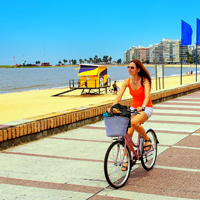
New Year’s Day is a time for recovery, with many people enjoying a quiet day at home or at the beach, especially in coastal towns like Punta del Este, where the summer weather makes it a popular destination.
Festive Neighborhoods and Events
Montevideo is the heart of Uruguay’s holiday celebrations, with several neighborhoods known for their decorations and events. The *Rambla de Pocitos* and *Plaza Independencia* are popular spots for fireworks and gatherings. In Punta del Este, the *Mansa* and *Brava* beaches host open-air parties and live music.
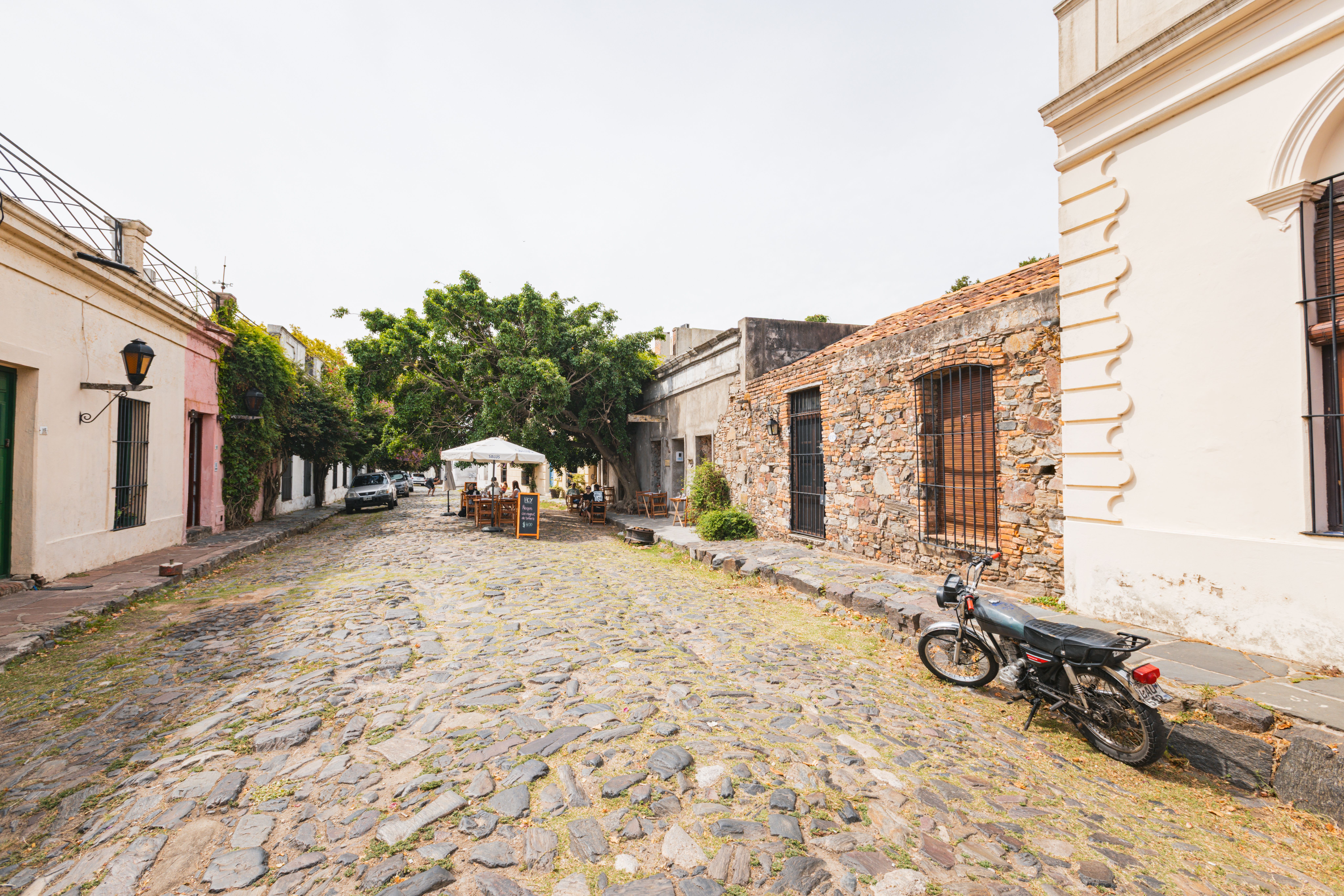
Smaller towns like Colonia del Sacramento and Carmelo also embrace the holiday spirit, with charming street markets and local festivities. Many expats and digital nomads enjoy exploring these areas, where the celebrations feel more intimate and community-driven.
Whether you’re looking for a traditional family gathering or a lively street party, Uruguay’s holiday season offers something for everyone. The blend of European customs, local flavors, and warm hospitality makes it a memorable experience for those spending the holidays in the country.
About the Author
 Joshua Wood, LPC joined Expat Exchange in 2000 and serves as one of its Co-Presidents. He is also one of the Founders of Digital Nomad Exchange. Prior to Expat Exchange, Joshua worked for NBC Cable (MSNBC and CNBC
Primetime). Joshua has a BA from Syracuse and a Master's in Clinical and Counseling Psychology from Fairleigh Dickinson University. Mr. Wood is also a licensed counselor and psychotherapist.
Joshua Wood, LPC joined Expat Exchange in 2000 and serves as one of its Co-Presidents. He is also one of the Founders of Digital Nomad Exchange. Prior to Expat Exchange, Joshua worked for NBC Cable (MSNBC and CNBC
Primetime). Joshua has a BA from Syracuse and a Master's in Clinical and Counseling Psychology from Fairleigh Dickinson University. Mr. Wood is also a licensed counselor and psychotherapist.
Some of Joshua's articles include Pros and Cons of Living in Portugal, 10 Best Places to Live in Ireland and Pros and Cons of Living in Uruguay. Connect with Joshua on LinkedIn.
Additional Information:
- Uruguay Guide
- Healthcare & Health Insurance in Uruguay
- Members Talk about Healthcare & Health Insurance in Uruguay
- Best Places to Live in Uruguay
- Real Estate in Uruguay
- Guide to Real Estate in Uruguay
- Pros & Cons of Living in Uruguay
- Cost of Living in Uruguay
- 10 Best Places for Families to Live in Uruguay
- Getting a Driver's License in Uruguay
- 15 Best Places to Live in Uruguay
- 9 Best Places to Live on the Coast in Uruguay
- 2026 Guide to Living in Uruguay
- Pros and Cons of Living in Uruguay 2026
- 2026 Guide to Moving to Uruguay