
Retire in Osaka, Japan
Last updated on Jun 09, 2025
Summary: What is it like to retire in Osaka, Japan? Retirees share their experiences living in Osaka.


What is it like to retire in Osaka?
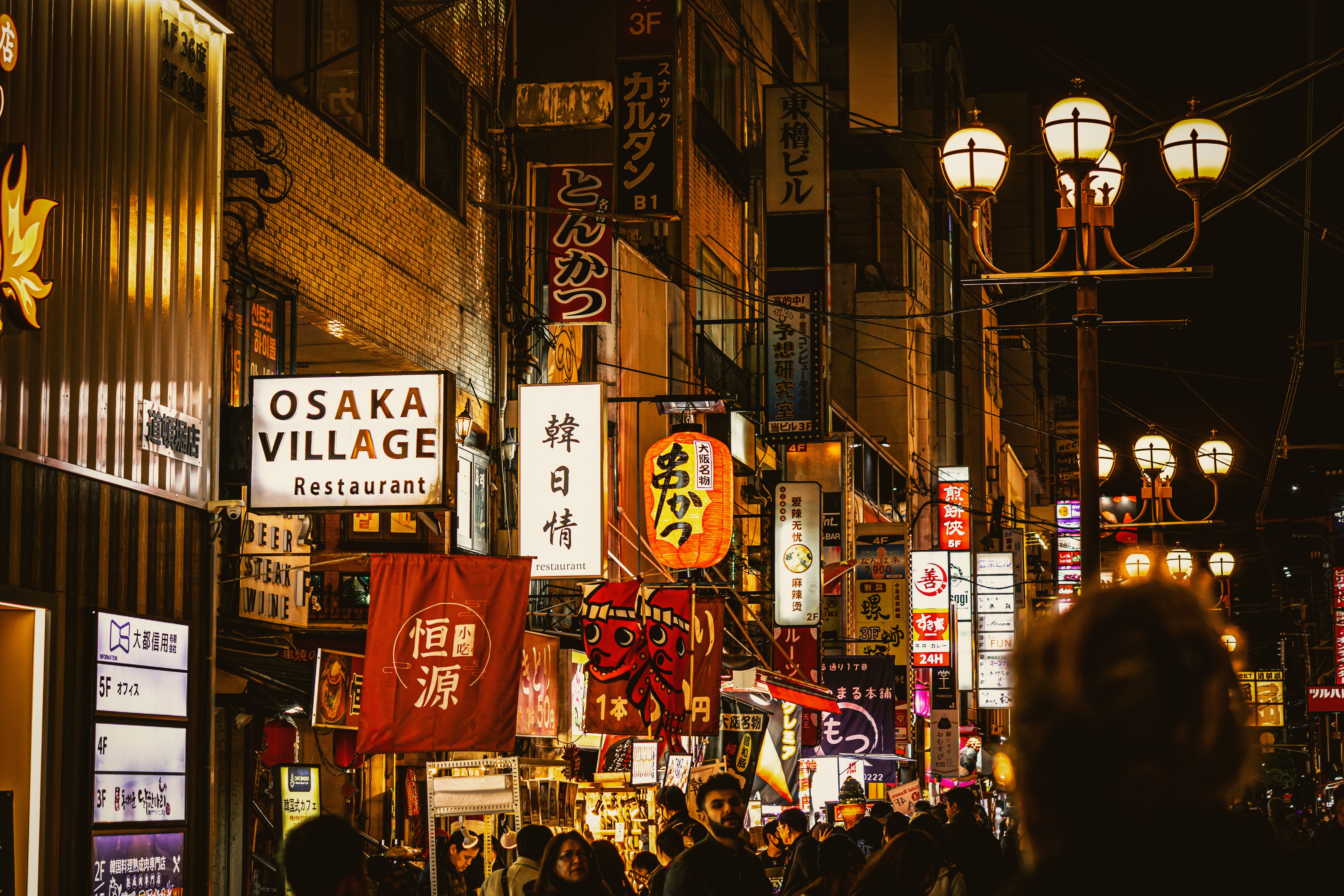
"Life for a retiree in Osaka, can be quite vibrant and fulfilling. The city is known for its modern architecture, nightlife, and hearty street food. The city is also rich in history and culture, with numerous museums, temples, and theaters that retirees can explore. The Osaka Castle, Universal Studios Japan, and the Osaka Aquarium are among the popular attractions. Osaka has a thriving expat community, with many retirees from different parts of the world. There are various social groups and clubs that organize regular activities, providing a great opportunity for retirees to meet new people and make friends. The expat community is very welcoming and supportive, often helping newcomers to navigate the local culture and language. Recreational activities are plentiful in Osaka. The city has beautiful parks and gardens where retirees can enjoy peaceful walks or picnics. There are also several golf courses, fitness centers, and yoga studios for those who wish to stay active. For those who enjoy shopping, Osaka offers a mix of high-end shopping districts and traditional markets. The city's nightlife is lively and diverse, with a wide range of bars, clubs, and restaurants. Osaka is particularly famous for its food, often referred to as the "Nation's Kitchen". Retirees can enjoy everything from street food to fine dining, with a wide variety of cuisines available. Despite being a bustling city, Osaka also offers easy access to nature and quieter, rural areas. The surrounding Kansai region is home to beautiful landscapes, hot springs, and historic towns. This makes it easy for retirees to enjoy day trips or weekend getaways. While the cost of living can be high compared to other parts of Japan, many retirees find that the quality of life, the rich culture, and the friendly community make Osaka a great place to spend their retirement years," explained one retiree living in Osaka.
 AGS Worldwide Movers
Get Quote
Relocating abroad soon? Make your move with AGS! AGS Worldwide Movers is a leader in the international moving industry. Our experience and expertise allows us to guarantee our clients the best quality moving services.
AGS Worldwide MoversRelocating abroad soon? Make your move with AGS! AGS Worldwide Movers is a leader in the international moving industry. Our experience and expertise allows us to guarantee our clients the best quality moving services.
Get Quote
What advice do overseas retirees have for others considering retiring abroad?
"Retirees in Osaka, advise others considering retiring abroad to thoroughly research the cost of living in their chosen destination, as it can vary greatly from one place to another. They also suggest learning the local language, as it can greatly enhance the experience and make daily life much easier. It's also important to understand the healthcare system of the country you're moving to, as well as the process for obtaining necessary medications. They recommend visiting the place multiple times before making a final decision, to get a real feel for the culture, climate, and lifestyle. They also suggest making connections with locals and other expats, as they can provide valuable insights and support. Lastly, they advise having a clear financial plan, including understanding the tax implications of retiring abroad," remarked one retiree in Osaka.
What are the most challenging aspects of retiring in Osaka?
"One of the most challenging aspects of retiring in Osaka is the language barrier, as not everyone speaks English and communication can be difficult. The cost of living can also be high, especially in terms of housing and healthcare. The cultural differences may also pose a challenge, as Japanese customs and traditions can be quite different from those in Western countries. The process of obtaining a long-term visa or permanent residency can be complex and time-consuming. The healthcare system, while excellent, can be difficult to navigate for non-Japanese speakers. The lack of a social support network can also be a challenge, especially for those who are not familiar with the local customs and traditions. Finally, the high population density and fast-paced lifestyle of Osaka may not be suitable for everyone, especially those who prefer a quieter, more relaxed retirement," said one retiree in Osaka.

Relocating abroad soon? Make your move with AGS! AGS Worldwide Movers is a leader in the international moving industry. Our experience and expertise allows us to guarantee our clients the best quality moving services.
Relocating abroad soon? Make your move with AGS! AGS Worldwide Movers is a leader in the international moving industry. Our experience and expertise allows us to guarantee our clients the best quality moving services.
What are the most rewarding aspects of retiring in Osaka?
"Retiring in Osaka offers the opportunity to immerse oneself in a rich, vibrant culture with a deep history. The city is known for its friendly, outgoing locals who are always willing to help, making it easy for retirees to feel welcomed and integrated into the community. Osaka is also renowned for its culinary scene, offering a wide variety of delicious local dishes such as takoyaki and okonomiyaki. The city's efficient public transportation system makes it easy to navigate, and its proximity to other major cities like Kyoto and Nara provides plenty of opportunities for day trips and exploration. Osaka also boasts a lower cost of living compared to other major Japanese cities like Tokyo, making it a more affordable option for retirees. The healthcare system in Japan is excellent, providing peace of mind for retirees. Osaka has numerous parks, gardens, and other green spaces, offering plenty of opportunities for outdoor activities and exercise. The city also has a thriving arts scene, with numerous museums, galleries, and theaters, providing endless entertainment options. Finally, the safety and cleanliness of Osaka make it a comfortable and secure place to retire. The city is known for its low crime rate and well-maintained public spaces, contributing to a high quality of life for its residents," said a person in Osaka.
What are healthcare services like in Osaka?
We asked retirees if they have access to good medical care in Osaka. They wrote:
"Healthcare services in Osaka are of high quality and are easily accessible to both residents and visitors. The city boasts a large number of hospitals and clinics, many of which offer multilingual services. The healthcare system in Osaka is a mix of public and private institutions, with the government providing universal healthcare coverage. This means that everyone, including foreigners living in Japan, is required to be enrolled in a health insurance plan, which covers a large portion of medical costs. In Osaka, medical facilities are equipped with state-of-the-art technology and staffed by highly trained professionals. Many doctors and nurses in Osaka are proficient in English, making it easier for non-Japanese speakers to receive care. The city is also home to several world-class research institutions and universities, contributing to a culture of medical innovation and excellence. Pharmacies are widespread throughout Osaka, and many over-the-counter medicines can be purchased easily. However, some western medications may not be available, and prescriptions from overseas are not accepted. Therefore, it's recommended for visitors to bring a sufficient supply of any necessary prescription medications. Emergency services in Osaka are reliable and efficient. Ambulances are available 24/7, and there are also a number of hospitals with around-the-clock emergency rooms. However, it's important to note that not all hospitals in Osaka may accept health insurance, so it's advisable to confirm beforehand. In terms of mental health services, Osaka offers a range of resources, including counseling and psychiatric services. However, mental health care in Japan is still developing, and language and cultural barriers can sometimes make it difficult for foreigners to access these services. Overall, Osaka's healthcare system is well-regarded for its high standards of care, advanced technology, and accessibility. However, as with any foreign country, it's important for visitors to be prepared and understand how the system works," explained a retiree in Osaka.
About the Author
 Joshua Wood, LPC joined Expat Exchange in 2000 and serves as one of its Co-Presidents. He is also one of the Founders of Digital Nomad Exchange. Prior to Expat Exchange, Joshua worked for NBC Cable (MSNBC and CNBC
Primetime). Joshua has a BA from Syracuse and a Master's in Clinical and Counseling Psychology from Fairleigh Dickinson University. Mr. Wood is also a licensed counselor and psychotherapist.
Joshua Wood, LPC joined Expat Exchange in 2000 and serves as one of its Co-Presidents. He is also one of the Founders of Digital Nomad Exchange. Prior to Expat Exchange, Joshua worked for NBC Cable (MSNBC and CNBC
Primetime). Joshua has a BA from Syracuse and a Master's in Clinical and Counseling Psychology from Fairleigh Dickinson University. Mr. Wood is also a licensed counselor and psychotherapist.
Some of Joshua's articles include Pros and Cons of Living in Portugal, 10 Best Places to Live in Ireland and Pros and Cons of Living in Uruguay. Connect with Joshua on LinkedIn.
Other Questions:
- What do I need to know before moving to Osaka?
- What is a typical expat home or apartment like in Osaka?
- What is the average cost of housing in Osaka?
- How do I meet people in Osaka?
- What do I need to know before retiring in Osaka?
- What should I pack when moving to Osaka?
- Where should I setup a bank account in Osaka?
- Will I be able to find a job in Osaka?
- What is life like as an expat in your area?
- What do people like (and dislike) about Osaka?
- What type of social life can someone expect in Osaka?
- What is the social scene like in Osaka?
- What advice to expats in Osaka have about housing?
- What are medical services in Osaka like?
- Are healthcare and health insurance expensive in Osaka?
- Is the cost of living in Osaka high?
- What are the visa & residency requirements in Osaka?
- Why do people move to Osaka?