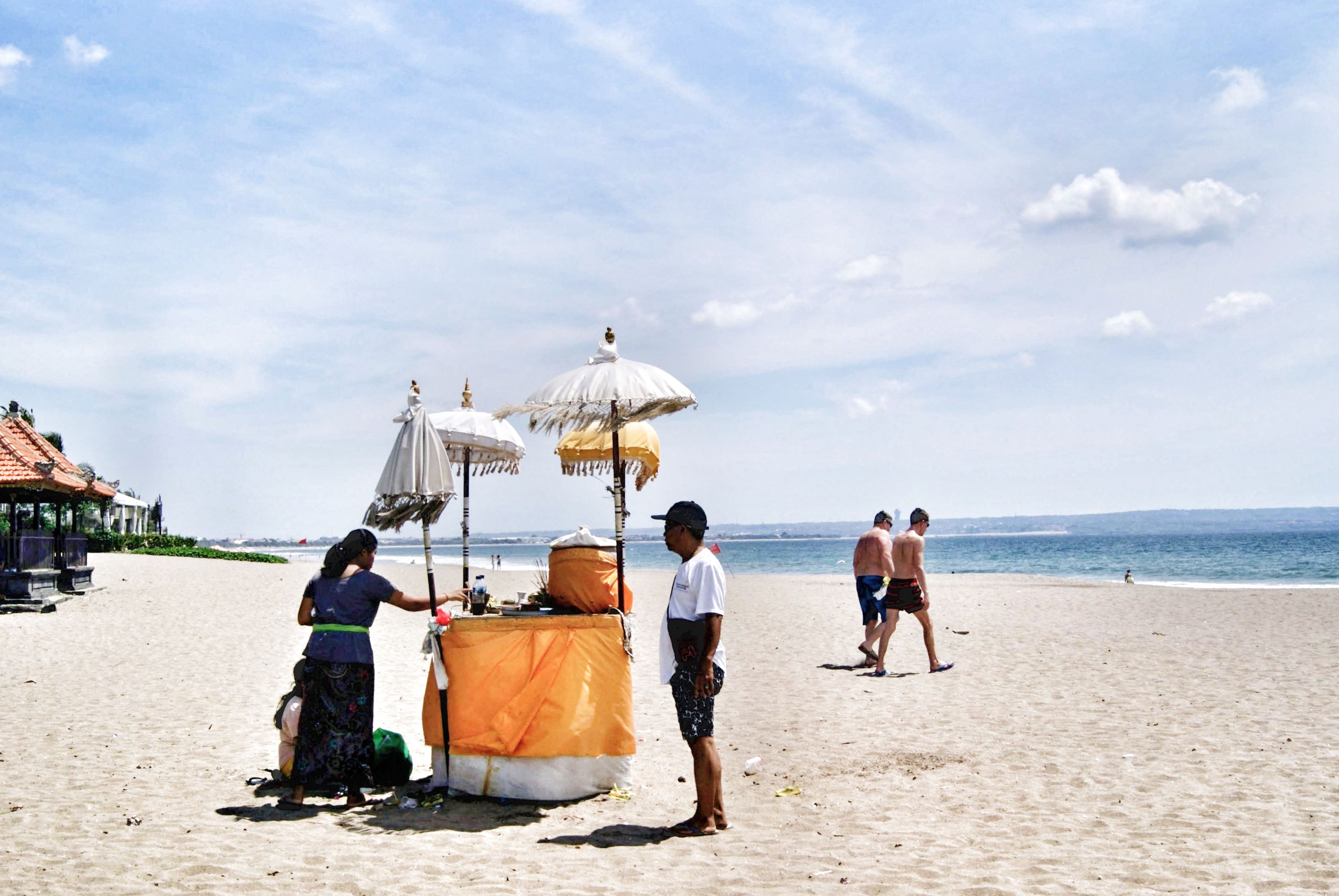
How to Rent a Home in Indonesia


Summary: Renting a home in Indonesia for the first time can be daunting. You probably have so many questions: Do I need a lawyer? Do rentals come with appliances? How do I find good rentals? How do I choose the right neighborhood? The list goes on and on. Here are answers to some of the top questions plus insight from our members living in Indonesia.
Navigating the process of renting a home in Indonesia for the first time can feel overwhelming. Numerous questions might arise: Should I consult a lawyer? Are appliances typically included in rentals? How can I discover quality rental properties? Which neighborhoods will best suit my needs? These are just the tip of the iceberg. Dive in for answers to these pressing questions and gain insights from our members who've made Indonesia their home.
"Moving to Indonesia can be an exciting adventure, but finding the right place to live is crucial. This guide will help expats navigate the process of renting an apartment in Indonesia, providing insights into the rental system, the role of brokers, necessary documents, and other essential aspects to consider.
How Do You Find a Rental Property in Indonesia?
Finding a rental property in Indonesia can be done through various methods. Online listings, social media groups, and local newspapers are popular starting points. Additionally, engaging with local real estate agents or brokers can provide access to more listings and personalized assistance. Word-of-mouth and networking with other expats can also lead to valuable recommendations.Does Indonesia Have an MLS Type System?
Indonesia does not have a centralized Multiple Listing Service (MLS) system like those found in some Western countries. Instead, property listings are scattered across various platforms and agents. This makes working with a reputable real estate agent beneficial, as they often have extensive networks and access to a wider range of properties.Do Brokers Have Licenses and How Do I Know If They Are Licensed?
Real estate brokers in Indonesia are required to be licensed by the Indonesian Real Estate Brokers Association (AREBI). To verify if a broker is licensed, you can ask to see their AREBI membership card or check the AREBI website for their credentials. Working with a licensed broker ensures that you are dealing with a professional who adheres to certain standards and regulations.Should I Buy or Rent in Indonesia?
Deciding whether to buy or rent depends on your personal circumstances and plans. Renting is often the preferred choice for expats due to its flexibility and lower upfront costs. Buying property in Indonesia can be complex, with restrictions on foreign ownership, making renting a more straightforward option for short to medium-term stays.Is It Difficult to Find Rentals in Indonesia?
The difficulty of finding rentals in Indonesia varies by location. In major cities like Jakarta, Bali, and Surabaya, there is a wide range of rental properties available. However, competition can be high for desirable properties, and it may take some time to find the perfect fit. Patience and flexibility are key when searching for rentals.What Documents Are Required When Renting an Apartment in Indonesia?
When renting an apartment in Indonesia, you will typically need to provide the following documents: a copy of your passport (including the photo page and visa page), a copy of your Kitas/Kitap (residence permit), a letter of employment or a reference letter from your employer, and sometimes proof of income. Additionally, a local guarantor may be required, although this can often be arranged through your employer or a real estate agent.Do I Need a Lawyer When Renting an Apartment in Indonesia?
While it is not always necessary to hire a lawyer when renting an apartment in Indonesia, engaging one can provide additional security and peace of mind. A lawyer can help review the lease agreement, ensure your rights are protected, and assist with any legal disputes that may arise. The cost of hiring a lawyer varies, but it typically ranges from a few hundred to a few thousand dollars, depending on the complexity of the services required.How Long Is the Typical Lease for in Indonesia?
The typical lease duration in Indonesia is one year, with the option to renew. Shorter leases, such as six months, may be available but are less common. Longer leases of two or more years can also be negotiated, and these may come with added benefits such as discounted rent or more flexible terms.Do I Have to Pay a Deposit When Renting in Indonesia?
Yes, paying a deposit is standard practice when renting in Indonesia. The deposit is usually equivalent to one to three months' rent, depending on the property and the landlord's requirements. This deposit is held as security against any damages or unpaid rent and is typically returned at the end of the lease, provided the property is in good condition.What Other Upfront Costs Are There When Renting in Indonesia?
In addition to the deposit, other upfront costs may include the first month's rent, administrative fees, and real estate agent fees. Agent fees can vary but are typically around one month's rent. Be sure to clarify all upfront costs with your landlord or agent before signing the lease agreement.Are Utilities Included When Renting in Indonesia?
Utilities are not typically included in the rent in Indonesia. Tenants are usually responsible for setting up and paying for their own electricity, water, internet, and gas services. The cost of utilities can vary but is generally considered affordable. It's essential to check the terms of your lease agreement regarding utilities and factor these costs into your budget.Are Furnished or Unfurnished Rentals More Popular in Indonesia?
Both furnished and unfurnished rentals are available in Indonesia, with furnished options being more popular among expats. Furnished apartments typically include basic furniture, kitchen appliances (such as a refrigerator and stove), and sometimes additional amenities like a washing machine and air conditioning. Unfurnished rentals may only include basic fixtures, giving tenants the flexibility to bring their own furniture and appliances," said one expat living in Indonesia.
It's impossible to confuse citizenM with any other hotel. We don't look or sound like anyone else. Bold, vibrant, and artistic - that's us. Our rooms cater to modern travelers - enormous ultra-comfortable beds, unlimited free Wi-Fi and 24/7 food and drinks always waiting at canteenM. And best of all, our ambassadors are every guest's best friend.
It's impossible to confuse citizenM with any other hotel. We don't look or sound like anyone else. Bold, vibrant, and artistic - that's us. Our rooms cater to modern travelers - enormous ultra-comfortable beds, unlimited free Wi-Fi and 24/7 food and drinks always waiting at canteenM. And best of all, our ambassadors are every guest's best friend.
Expats Talk about How they Found their Home
"Finding a place to live in Indonesia depends largely on your budget and preferences. Consider if you prefer to rent or buy a property and in what type of city or area you would like to live in. Research the options available for rental or purchase in various regions - for example, property rental websites, real estate agencies and newspapers. Due to the large population in Jakarta, there are many housing options available in the capital city. Consider if you would like to live in a city centre or outskirts and narrow down your search accordingly. Alternatively, if you have a specific area in mind, contact local estate agents and ask for advice. If you need assistance in viewing properties, you can find a property viewing service online," commented an expat living in Indonesia.
About the Author
 Joshua Wood, LPC joined Expat Exchange in 2000 and serves as one of its Co-Presidents. He is also one of the Founders of Digital Nomad Exchange. Prior to Expat Exchange, Joshua worked for NBC Cable (MSNBC and CNBC
Primetime). Joshua has a BA from Syracuse and a Master's in Clinical and Counseling Psychology from Fairleigh Dickinson University. Mr. Wood is also a licensed counselor and psychotherapist.
Joshua Wood, LPC joined Expat Exchange in 2000 and serves as one of its Co-Presidents. He is also one of the Founders of Digital Nomad Exchange. Prior to Expat Exchange, Joshua worked for NBC Cable (MSNBC and CNBC
Primetime). Joshua has a BA from Syracuse and a Master's in Clinical and Counseling Psychology from Fairleigh Dickinson University. Mr. Wood is also a licensed counselor and psychotherapist.
Some of Joshua's articles include Pros and Cons of Living in Portugal, 10 Best Places to Live in Ireland and Pros and Cons of Living in Uruguay. Connect with Joshua on LinkedIn.
Additional Information:
- Indonesia Guide
- Healthcare & Health Insurance in Indonesia
- Members Talk about Healthcare & Health Insurance in Indonesia
- Best Places to Live in Indonesia
- Real Estate in Indonesia
- Guide to Real Estate in Indonesia
- Pros & Cons of Living in Indonesia
- Cost of Living in Indonesia
- Health Insurance in Indonesia
- Best Places to Visit in Indonesia for Christmas Cheer
- Christmas in Indonesia
- Dengue Virus in Indonesia
- Pros and Cons of Living in Indonesia 2026
- 2026 Guide to Moving to Indonesia