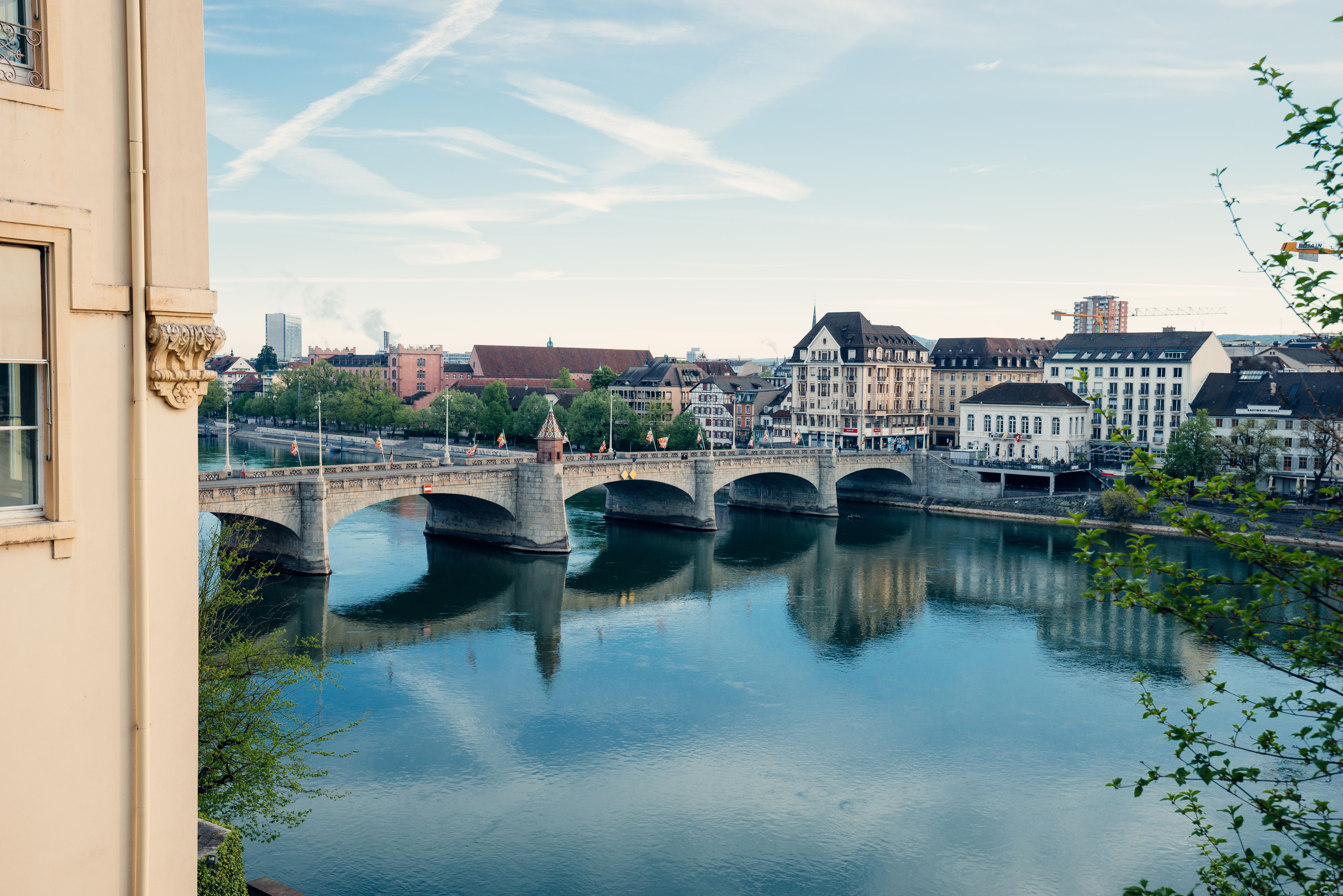
How to Rent a Home in Switzerland


Summary: Renting a home in Switzerland for the first time can be daunting. You probably have so many questions: Do I need a lawyer? Do rentals come with appliances? How do I find good rentals? How do I choose the right neighborhood? The list goes on and on. Here are answers to some of the top questions plus insight from our members living in Switzerland.
Navigating the process of renting a home in Switzerland for the first time can feel overwhelming. Numerous questions might arise: Should I consult a lawyer? Are appliances typically included in rentals? How can I discover quality rental properties? Which neighborhoods will best suit my needs? These are just the tip of the iceberg. Dive in for answers to these pressing questions and gain insights from our members who've made Switzerland their home.
"Moving to Switzerland can be an exciting adventure, but finding the right apartment to rent can be a daunting task. The Swiss rental market has its unique characteristics, and understanding these can greatly ease your search. This guide aims to provide expats with a comprehensive overview of the key topics related to renting an apartment in Switzerland.
How Do You Find a Rental Property?
Finding a rental property in Switzerland can be done through various methods. Online platforms like Homegate, ImmoScout24, and Immostreet are popular choices. Additionally, local newspapers and real estate agencies can provide listings. Networking and word-of-mouth can also be effective, as some properties may not be publicly advertised. Joining local expat groups and forums can provide valuable leads.Does Switzerland Have an MLS Type System?
Switzerland does not have a centralized Multiple Listing Service (MLS) like the one used in the United States. Instead, properties are listed across various platforms and agencies. This means you may need to check multiple sources to get a comprehensive view of available rentals. Some websites aggregate listings, but they may not cover everything.Do Brokers Have Licenses and How Do I Know If They Are Licensed?
Real estate brokers in Switzerland do not require a specific license to operate, as the profession is not regulated by law. However, many brokers are members of professional associations like the Swiss Union of Real Estate Professionals (SVIT) or the Swiss Real Estate Association (USPI). Membership in these organizations can indicate a certain level of professionalism and adherence to ethical standards. Always ask about a broker's credentials and associations.Should I Buy or Rent?
Deciding whether to buy or rent depends on your personal circumstances. Renting offers flexibility and is often the preferred choice for expats who may not stay in Switzerland long-term. Buying can be a good investment but comes with higher upfront costs and long-term commitments. Additionally, property prices in Switzerland are high, and foreigners may face restrictions on buying property.Is It Difficult to Find Rentals in Switzerland?
Finding rentals in Switzerland can be challenging, especially in popular cities like Zurich and Geneva. The demand for housing is high, and vacancy rates are low. It's not uncommon for multiple applicants to vie for the same property. Being prepared with all necessary documents and acting quickly can improve your chances of securing a rental.What Documents Are Required When Renting an Apartment?
When renting an apartment in Switzerland, you typically need to provide the following documents: a copy of your passport or ID, a copy of your residence permit (if applicable), proof of income (such as a salary certificate or employment contract), and a debt collection register extract (Betreibungsregisterauszug). Some landlords may also require a rental application form and references from previous landlords.Do I Need a Lawyer When Renting an Apartment in Switzerland?
It is not mandatory to hire a lawyer when renting an apartment in Switzerland, as the process is generally straightforward. However, if you encounter complex legal issues or need help understanding the lease agreement, consulting a lawyer can be beneficial. Legal fees vary, but a consultation typically costs between CHF 200 to CHF 500. Lawyers can help review contracts, negotiate terms, and provide legal advice.How Long Is the Typical Lease for?
The typical lease duration in Switzerland is one year, with the option to renew. Some leases may have a minimum duration of two or three years. Most leases are open-ended, meaning they automatically renew unless terminated by either party with proper notice. The notice period is usually three months.Do I Have to Pay a Deposit?
Yes, tenants in Switzerland are required to pay a deposit, which is typically equivalent to three months' rent. This deposit is held in a separate, interest-bearing account and is returned to the tenant at the end of the lease, provided there is no damage to the property. The deposit serves as a security for the landlord.What Other Upfront Costs Are There When Renting?
In addition to the deposit, upfront costs may include the first month's rent, administrative fees, and any applicable brokerage fees. Administrative fees vary but are usually between CHF 50 to CHF 200. Brokerage fees, if applicable, can be up to one month's rent. Some landlords may also charge a fee for the final cleaning of the apartment when you move out.Are Utilities Included?
Utilities are not typically included in the rent in Switzerland. Tenants are usually responsible for setting up and paying for their own electricity, water, heating, and internet services. Utility costs can be expensive, varying by location and consumption. It's common to pay a monthly advance for utilities, with an annual settlement based on actual usage.Are Furnished or Unfurnished Rentals More Popular?
Unfurnished rentals are more popular in Switzerland, and they typically come with basic kitchen appliances like a stove and oven. Refrigerators, washing machines, and other appliances may or may not be included, so it's essential to check the listing details. Furnished rentals are less common and usually more expensive, but they can be a convenient option for short-term stays. Unfurnished rentals offer more flexibility for tenants to bring their own furniture," said one expat living in Switzerland.
Never worry about paying your medical bills out of pocket again. The innovative PassportCard allows for a stress-free experience for all expat families, remote travelers, and workers. With a 24/7 customer service and an outstanding customer base of over 2 Million clients, it will feel like medical care at home. Get up to 10% off on your policy now.
Never worry about paying your medical bills out of pocket again. The innovative PassportCard allows for a stress-free experience for all expat families, remote travelers, and workers. With a 24/7 customer service and an outstanding customer base of over 2 Million clients, it will feel like medical care at home. Get up to 10% off on your policy now.
Expats Talk about How they Found their Home
"The best way to find a place to live in Switzerland is to contact a local real estate agent. This will give you access to the largest selection of properties, and the agent will be able to guide you through the process of signing a contract and finding the right place for you. You can also find listings on websites such as Immoscout24 or Homegate.ch. Additionally, if you are a student, many universities have accommodation services that can help you find suitable accommodation," commented an expat living in Switzerland.
"www.immoscout.ch is a good website to find houses/apartments, both for sale and for rent. When you consider to buy a house: - may be a good idea as mortgage interest rates are low - keep in mind that a bank will not give mortgages for more than 80% of the value of the house. You need to finance the rest of the house yourself - check which legal conditions you must oblige when buying property. In particular, try to organise your work/stay permit before you buy, as this will make buying conditions easier and cheaper," said an expat in Olten.
About the Author
 Betsy Burlingame is the Founder and President of Expat Exchange and is one of the Founders of Digital Nomad Exchange. She launched Expat Exchange in 1997 as her Master's thesis project at NYU. Prior to Expat Exchange, Betsy worked at AT&T in International
and Mass Market Marketing. She graduated from Ohio Wesleyan University
with a BA in International Business and German.
Betsy Burlingame is the Founder and President of Expat Exchange and is one of the Founders of Digital Nomad Exchange. She launched Expat Exchange in 1997 as her Master's thesis project at NYU. Prior to Expat Exchange, Betsy worked at AT&T in International
and Mass Market Marketing. She graduated from Ohio Wesleyan University
with a BA in International Business and German.
Some of Betsy's articles include 12 Best Places to Live in Portugal, 7 Best Places to Live in Panama and 12 Things to Know Before Moving to the Dominican Republic. Betsy loves to travel and spend time with her family. Connect with Betsy on LinkedIn.
Additional Information:
- Switzerland Guide
- Healthcare & Health Insurance in Switzerland
- Members Talk about Healthcare & Health Insurance in Switzerland
- Best Places to Live in Switzerland
- Real Estate in Switzerland
- Guide to Real Estate in Switzerland
- Pros & Cons of Living in Switzerland
- Cost of Living in Switzerland
- 14 Expats Talk about What It's Like Living in Switzerland
- 10 Tips for Living in Switzerland
- 2026 Guide to Living in Switzerland
- Pros and Cons of Living in Switzerland 2026
- 2026 Guide to Moving to Switzerland