Pros and Cons of Living in Georgia


Summary: If you're moving to Georgia, it's important to learn about both the Pros AND Cons of living in Georgia.
Nestled at the crossroads of Europe and Asia, Georgia is a country that has been gaining traction as an attractive destination for expats. With its rich history, unique culture, and stunning landscapes, it's no wonder that many are considering a move to this charming nation. But what are the pros and cons of living in Georgia? Let's delve into the details to help you make an informed decision.
Pros of Living in Georgia
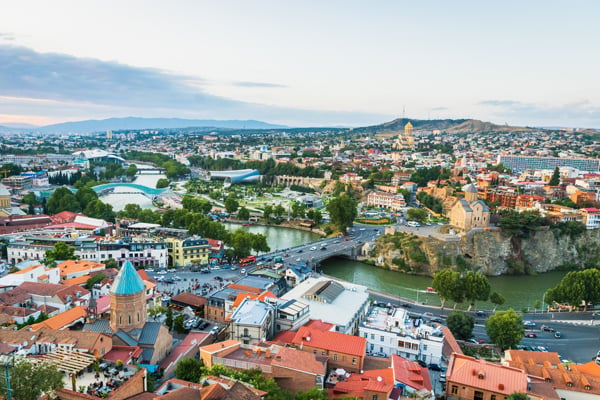
Georgia, often referred to as the "Peach State" by locals, is a treasure trove of advantages for those considering an international move. One of the most appealing aspects is its affordable cost of living. Compared to many Western countries, the cost of accommodation, food, and utilities in Georgia is significantly lower. For instance, a one-bedroom apartment in the capital, Tbilisi, can be rented for around $300-$500 per month, making it a budget-friendly option for many expats. The country's rich cultural heritage is another major draw. Georgia is home to numerous UNESCO World Heritage Sites, including the ancient cave city of Vardzia and the historical monuments of Mtskheta. The Georgian people are also known for their warmth and hospitality, making it easy for newcomers to feel welcome. The tradition of "supra," a Georgian feast filled with toasts and delicious cuisine, is a testament to their hospitable nature. Georgia's stunning landscapes offer a variety of experiences for nature lovers. From the snow-capped peaks of the Caucasus Mountains to the sun-kissed beaches of the Black Sea coast, there's something for everyone. The country is also home to numerous national parks and nature reserves, providing ample opportunities for hiking, skiing, and other outdoor activities. The vibrant food and wine scene is another pro of living in Georgia. Georgian cuisine is renowned for its unique flavors and hearty dishes, such as khachapuri (cheese-filled bread) and khinkali (dumplings). Georgia is also one of the world's oldest wine-producing regions, with a tradition dating back over 8,000 years. The country's wine culture is a significant part of its identity, and wine tours are a popular pastime for both locals and tourists. In terms of safety and security, Georgia is generally considered safe, with low levels of crime. The police are visible and responsive, and the country has made significant strides in combating corruption in recent years. Expats often report feeling safe and secure in their daily lives. Lastly, Georgia's strategic location makes it an excellent base for exploring the region. It shares borders with Russia, Azerbaijan, Armenia, and Turkey, and is a short flight away from many European destinations. This makes it easy for expats to travel and discover new places.
Cons of Living in Georgia
While Georgia has many advantages, it's essential to consider the potential challenges as well. One of the main concerns for many expats is the language barrier. Georgian is the official language, and while many younger people speak English, particularly in urban areas, proficiency levels can vary greatly. This can make communication difficult, especially in rural areas or when dealing with official matters. The infrastructure and public services in Georgia may not be on par with what expats are used to in their home countries. While the situation is improving, particularly in Tbilisi, issues such as power outages, inconsistent water supply, and poor road conditions can still occur. Public transportation, while affordable, may not be as efficient or reliable as in more developed countries. Georgia's political climate can be tense at times, with ongoing disputes with neighboring Russia over the breakaway regions of Abkhazia and South Ossetia. While these conflicts do not typically affect daily life in most of the country, they can be a source of uncertainty and concern. Additionally, Georgia's political scene can be polarized, with heated debates and protests occurring from time to time. The economic situation in Georgia is another potential challenge. While the country has made significant progress in recent years, unemployment and underemployment remain issues. The job market for expats may be limited, and those who do find work often do so in fields such as teaching, tourism, or with international organizations. Georgia's climate can also be a drawback for some. While the country enjoys a varied climate, winters can be harsh, with heavy snowfall and freezing temperatures, particularly in the mountainous regions. Summers, especially in the low-lying areas, can be very hot and humid. It's essential to be prepared for these weather extremes. Lastly, the system in Georgia may not meet the standards that expats are used to. While there are private clinics and hospitals that offer high-quality care, they can be expensive. Public healthcare facilities may not have the same level of equipment or staff training as in more developed countries. It's crucial for expats to have comprehensive health insurance to cover any medical needs. Despite these challenges, many expats find that the benefits of living in Georgia outweigh the drawbacks. The country's unique culture, stunning landscapes, and warm-hearted people make it a rewarding place to call home. However, it's essential to be aware of the potential challenges and be prepared to adapt to a new way of life.
Living in Georgia can be a rich and rewarding experience, filled with opportunities to explore a unique culture, enjoy stunning landscapes, and indulge in delicious cuisine. However, it's not without its challenges. By understanding the pros and cons, you can make an informed decision about whether Georgia is the right fit for you. Whether you're drawn to the vibrant streets of Tbilisi or the tranquil beauty of the Caucasus Mountains, Georgia offers a wealth of experiences for those willing to embrace its charms and navigate its complexities.
About the Author
 Joshua Wood, LPC joined Expat Exchange in 2000 and serves as one of its Co-Presidents. He is also one of the Founders of Digital Nomad Exchange. Prior to Expat Exchange, Joshua worked for NBC Cable (MSNBC and CNBC
Primetime). Joshua has a BA from Syracuse and a Master's in Clinical and Counseling Psychology from Fairleigh Dickinson University. Mr. Wood is also a licensed counselor and psychotherapist.
Joshua Wood, LPC joined Expat Exchange in 2000 and serves as one of its Co-Presidents. He is also one of the Founders of Digital Nomad Exchange. Prior to Expat Exchange, Joshua worked for NBC Cable (MSNBC and CNBC
Primetime). Joshua has a BA from Syracuse and a Master's in Clinical and Counseling Psychology from Fairleigh Dickinson University. Mr. Wood is also a licensed counselor and psychotherapist.
Some of Joshua's articles include Pros and Cons of Living in Portugal, 10 Best Places to Live in Ireland and Pros and Cons of Living in Uruguay. Connect with Joshua on LinkedIn.
Additional Information:
- Georgia Rep Guide
- Healthcare & Health Insurance in Georgia Rep
- Members Talk about Healthcare & Health Insurance in Georgia Rep
- Best Places to Live in Georgia Rep
- Real Estate in Georgia Rep
- Guide to Real Estate in Georgia Rep
- Pros & Cons of Living in Georgia Rep
- Cost of Living in Georgia Rep
- Educational System in Georgia
- 10 Things to Know Before Moving to Georgia
- How to Buy a Home in Georgia
- Pros and Cons of Living in Georgia
- Pros and Cons of Living in Georgia Rep 2026