Retire in Marseille Guide


Summary: If Marseille is on your retirement radar, our detailed Retire in Marseille Guide is your go-to resource. Delve into the crucial aspects of life here, including living costs, climate, housing options, healthcare services, and residency procedures. We also explore the city's social dynamics, volunteering scenes, transportation, and how walkable its neighborhoods are.
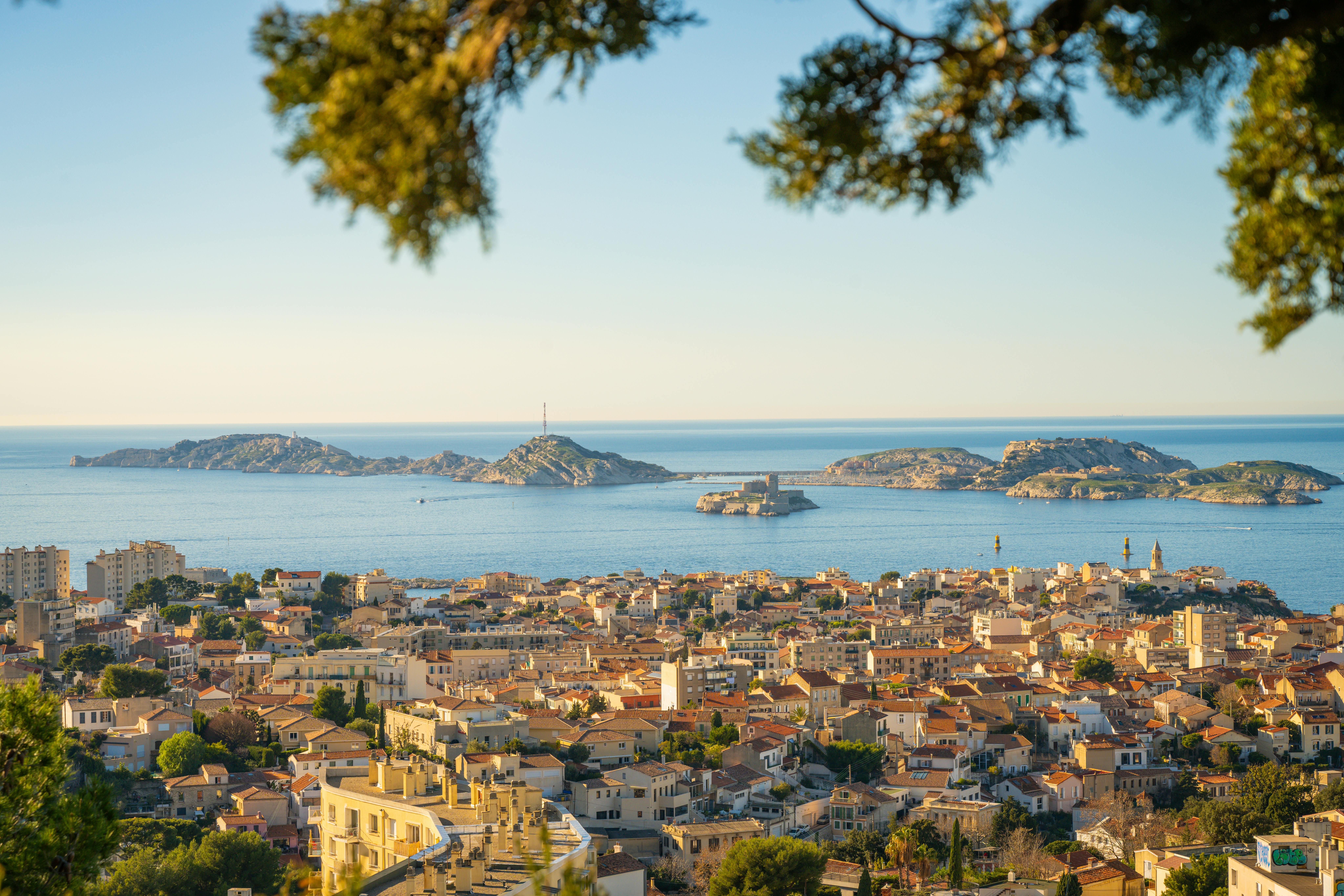
Marseille, is a popular retirement destination for international retirees due to its rich history, vibrant culture, and stunning Mediterranean coastline. The city offers a unique blend of old-world charm and modern amenities, making it an ideal place for those seeking a relaxed yet stimulating retirement. However, like any foreign city, retiring in Marseille comes with its own set of challenges, including language barriers, cultural differences, and navigating the local healthcare system.
Cost of Living in Marseille
Compared to other major European cities, Marseille offers a relatively affordable cost of living. Housing, in particular, is significantly cheaper than in Paris or Nice. However, international retirees should be aware that the cost of groceries and dining out can be higher due to the city's coastal location and emphasis on fresh, local produce.
Marseille's Climate
Marseille boasts a Mediterranean climate, with hot, dry summers and mild, wet winters. The city enjoys an average of 300 days of sunshine per year, making it an ideal location for retirees who enjoy outdoor activities.
Healthcare in Marseille
Marseille is home to several world-class hospitals and clinics, ensuring that retirees have access to high-quality healthcare. The city's healthcare system is highly regarded, with a strong emphasis on preventative care and a high doctor-to-patient ratio.
Public Healthcare System
France's public healthcare system is one of the best in the world, and international retirees are eligible to enroll after living in the country for three months. However, many retirees choose to supplement this with private health insurance to cover additional costs.
Residency Options
France offers several residency options for retirees, including long-stay visas and permanent residency. The process can be complex, so it's recommended to seek legal advice or assistance from a relocation service.
Parks and Recreational Activities
Marseille offers a wealth of recreational activities, from hiking in the Calanques National Park to strolling along the Old Port. The city is also home to several beautiful parks, including the Parc Borély and the Parc Longchamp.
Local Cuisine and Restaurants
Marseille's culinary scene is a food lover's dream, with a focus on fresh seafood and local produce. Some popular, reasonably priced restaurants include Chez Etienne for pizza, Le Café des Epices for modern French cuisine, and La Boîte à Sardine for seafood.
Language Learning Opportunities
While many locals speak English, learning French can greatly enhance your retirement experience. The Alliance Française de Marseille offers a range of French language courses for all levels.
Local Culture and Markets
Marseillais are known for their warm and welcoming nature. The city hosts several weekly markets, such as the Noailles Market, where locals and tourists alike can buy fresh produce, seafood, and local delicacies.
Meeting People and Volunteering
Joining local clubs and organizations is a great way to meet people and integrate into the local community. Volunteering is also popular among retirees, with organizations such as Les Restos du Coeur and Secours Populaire Français always in need of help.
Housing Options
Most retirees opt for apartments in the city center or houses in the surrounding countryside. Popular neighborhoods for retirees include Le Panier, the city's oldest district, and the more residential 8th arrondissement.
Transportation in Marseille
Marseille has an extensive public transportation system, including buses, trams, and a metro. The city is also highly walkable, particularly in the city center. While having a car can be useful for exploring the surrounding region, it's not necessary for daily life in the city.
About the Author
 Betsy Burlingame is the Founder and President of Expat Exchange and is one of the Founders of Digital Nomad Exchange. She launched Expat Exchange in 1997 as her Master's thesis project at NYU. Prior to Expat Exchange, Betsy worked at AT&T in International
and Mass Market Marketing. She graduated from Ohio Wesleyan University
with a BA in International Business and German.
Betsy Burlingame is the Founder and President of Expat Exchange and is one of the Founders of Digital Nomad Exchange. She launched Expat Exchange in 1997 as her Master's thesis project at NYU. Prior to Expat Exchange, Betsy worked at AT&T in International
and Mass Market Marketing. She graduated from Ohio Wesleyan University
with a BA in International Business and German.
Some of Betsy's articles include 12 Best Places to Live in Portugal, 7 Best Places to Live in Panama and 12 Things to Know Before Moving to the Dominican Republic. Betsy loves to travel and spend time with her family. Connect with Betsy on LinkedIn.
Additional Information:
- Expat Guide to Marseille
- Pros & Cons of Living in Marseille
- Driving in Marseille
- Discover the Best of Marseille
- Health Care in Marseille
- Cost of Living in Marseille
- Healthcare & Health Insurance in France
- Best Places to Live in France
- Real Estate in France
- Pros & Cons of Living in France
- Top Hospitals in France by Specialty
- Pros and Cons of Living in France 2026
- 2026 Guide to Moving to France