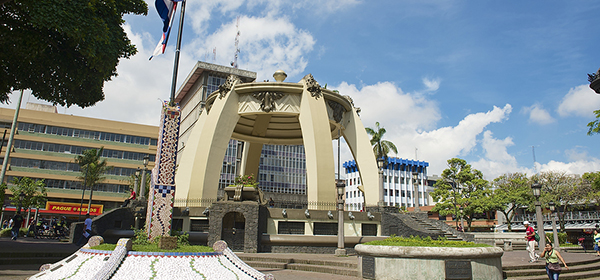
Retire in San Jose Guide


Summary: If San Jose is on your retirement radar, our detailed Retire in San Jose Guide is your go-to resource. Delve into the crucial aspects of life here, including living costs, climate, housing options, healthcare services, and residency procedures. We also explore the city's social dynamics, volunteering scenes, transportation, and how walkable its neighborhoods are.
San Jose is a popular destination for international retirees, and for good reason. The city offers a high quality of life, with a low cost of living, excellent healthcare, and a warm, welcoming community. However, like any major life change, retiring in San Jose comes with its own set of challenges. This article will explore the best aspects of retiring in San Jose, as well as some of the potential difficulties.
Cost of Living
One of the main attractions of San Jose for retirees is the low cost of living. On average, living expenses in San Jose are significantly lower than in many Western countries. For example, a meal at an inexpensive restaurant can cost as little as $5, and a one-bedroom apartment in the city center can be rented for around $500 per month. However, it's important to note that prices can vary widely depending on your lifestyle and the specific area of the city where you choose to live.
Climate
San Jose enjoys a tropical climate, with warm temperatures year-round. The city has a wet season from May to November, and a dry season from December to April. The average temperature ranges from 20°C (68°F) to 27°C (81°F), making it an ideal destination for those who enjoy warm weather.
Healthcare
Costa Rica is known for its high-quality healthcare system, and San Jose is home to some of the country's best hospitals and doctors. Many medical professionals in the city speak English, and the cost of healthcare is significantly lower than in the United States. However, it's important to note that while the quality of care is generally high, waiting times can be long, particularly for non-emergency procedures.
Public Healthcare System
Costa Rica's public healthcare system, known as the Caja, is available to all residents, including international retirees. However, many retirees choose to use private healthcare, either in addition to or instead of the public system, due to the shorter waiting times and the ability to choose their own doctors.
Residency Options for Retirees
Costa Rica offers several residency options for retirees, including the Pensionado program, which requires a monthly income of at least $1,000 from a guaranteed source such as a pension. This program offers a number of benefits, including the ability to import household goods duty-free and the ability to apply for Costa Rican citizenship after three years of residency.
Parks and Recreational Activities
San Jose is home to a number of beautiful parks, including the Parque Nacional and the Parque La Sabana. The city also offers a wide range of recreational activities, from hiking and bird watching to yoga and salsa dancing.
Restaurants
San Jose has a vibrant food scene, with a wide range of restaurants to suit all tastes and budgets. Some popular options include the Mercado Central, a bustling market where you can sample traditional Costa Rican dishes, and the trendy Barrio Escalante, which is home to a number of innovative restaurants and cafes.
Learning the Language
While many people in San Jose speak English, learning Spanish can greatly enhance your experience of living in Costa Rica. There are a number of language schools in the city, including the Costa Rican Language Academy and the Intercultura Language School.
Local Culture
The people of San Jose, known as Josefinos, are generally warm and welcoming to foreigners. The city has a relaxed, laid-back vibe, and is known for its vibrant arts scene and its love of football.
Meeting People and Volunteering
There are many ways for retirees to meet people in San Jose, from joining local clubs and organizations to volunteering. The city has a number of volunteer opportunities, including the Costa Rican Humanitarian Foundation, which works to improve the lives of the country's most vulnerable populations.
Housing Options
San Jose offers a wide range of housing options, from modern apartments in the city center to traditional houses in the surrounding countryside. Many retirees choose to live in the central city, where they can enjoy easy access to amenities and public transportation.
Transportation
San Jose has an extensive public transportation system, including buses and trains, making it easy to get around the city without a car. However, many retirees choose to buy a car for convenience and for trips outside the city.
About the Author
 Joshua Wood, LPC joined Expat Exchange in 2000 and serves as one of its Co-Presidents. He is also one of the Founders of Digital Nomad Exchange. Prior to Expat Exchange, Joshua worked for NBC Cable (MSNBC and CNBC
Primetime). Joshua has a BA from Syracuse and a Master's in Clinical and Counseling Psychology from Fairleigh Dickinson University. Mr. Wood is also a licensed counselor and psychotherapist.
Joshua Wood, LPC joined Expat Exchange in 2000 and serves as one of its Co-Presidents. He is also one of the Founders of Digital Nomad Exchange. Prior to Expat Exchange, Joshua worked for NBC Cable (MSNBC and CNBC
Primetime). Joshua has a BA from Syracuse and a Master's in Clinical and Counseling Psychology from Fairleigh Dickinson University. Mr. Wood is also a licensed counselor and psychotherapist.
Some of Joshua's articles include Pros and Cons of Living in Portugal, 10 Best Places to Live in Ireland and Pros and Cons of Living in Uruguay. Connect with Joshua on LinkedIn.
Additional Information:
- Expat Guide to San Jose
- Healthcare & Health Insurance in San Jose
- Pros & Cons of Living in San Jose
- Driving in San Jose
- Cost of Living in San Jose
- Health Care in San Jose
- The Essential Guide to San Jose
- 5 Tips For Living in San Jose, Costa Rica
- Healthcare & Health Insurance in Costa Rica
- Best Places to Live in Costa Rica
- Real Estate in Costa Rica
- Volunteering in Playa Jaco
- What It's Like Living in San Jose
- Pros and Cons of Living in Costa Rica 2026
- 2026 Guide to Moving to Costa Rica
- Members Talk about the Cost of Living in Costa Rica