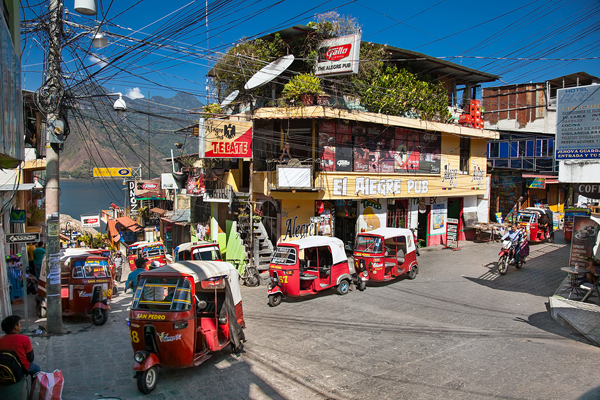


Culture Shock in Guatemala


Summary: If you're planning a move to Guatemala, or have recently settled there, it's natural to encounter some culture shock as you adjust to your new surroundings. Our insightful article is designed to help you navigate this transition smoothly. It offers practical tips and draws on the experiences of fellow expats who have successfully embraced the cultural nuances of Guatemala.
Moving to Guatemala? Get ready for a vibrant blend of ancient Mayan traditions and modern Latin American life. While the country's rich culture and stunning landscapes are enticing, understanding the culture shock you might experience is essential for a smooth transition. Here's what to expect and how to navigate the shifts.
1. Phases of Culture Shock for a Newcomer in Guatemala
Culture shock typically unfolds in several phases. Initially, expect a honeymoon phase, where the excitement of new experiences dominates. The negotiation phase follows, marked by feelings of frustration and anxiety as you grapple with differences. The adjustment phase is when you begin to feel comfortable, and finally, the adaptation phase signals your acceptance and integration into the new culture. In Guatemala, these phases might manifest as initial awe at the colonial architecture and colorful markets, followed by frustration with bureaucracy or language barriers, before eventually adapting to the slower pace of life and enjoying the tight-knit communities.
2. Language Barrier: Spanish and Indigenous Languages
Guatemala's official language is Spanish, but there are also 21 Mayan languages spoken throughout the country. If you're still learning Spanish, day-to-day interactions might be challenging at first. However, Guatemalans are generally patient and appreciative of efforts to communicate in their language. Consider enrolling in a Spanish school—many offer immersive experiences that can help you learn quickly. In areas with strong Mayan influences, learning basic phrases in the local indigenous language can also foster goodwill.
3. Biggest Cultural Faux Pas Expats Make in Guatemala
Understanding cultural nuances can prevent misunderstandings. Here are the top five faux pas to avoid:
- Ignoring Greetings: Greetings are crucial in Guatemalan culture. Always greet people with a friendly "buenos días" or "buenas tardes" and a handshake or cheek kiss, depending on the context.
- Disrespecting Elders: Elders are highly respected. Always address them with "usted" (the formal "you") and show deference.
- Being Impatient: Guatemala operates on a slower pace. Rushing or showing impatience is considered rude.
- Refusing Food or Drink: Hospitality is important. Politely accept offers of food or drink, even if you only take a small amount.
- Disregarding Local Customs: Guatemala has a rich cultural heritage. Respect local customs, such as asking permission before taking photos of indigenous people or their textiles.
4. Advice from Expats: Navigating Culture Shock in Guatemala
Expats who have successfully navigated culture shock in Guatemala offer the following advice:
Embrace the Pace: "Guatemala's pace is slower, and that can be frustrating at first. But once you embrace it, you'll find it's one of the most enjoyable aspects of life here," shares Maria, a long-time expat. She recommends setting aside extra time for errands and learning to enjoy the process.
Connect with the Community: "Join local groups or volunteer," suggests John, who moved to Antigua three years ago. "It's a great way to meet people and understand the culture." Local connections can provide invaluable insights and support.
Be Open to New Experiences: "Try the street food, explore the markets, and participate in festivals," advises Laura, who has lived in various parts of Guatemala. "The more you engage with the culture, the easier it becomes to adapt."
Practice Patience and Humility: "Things won't always go as planned, and you'll make mistakes," says Carlos, who moved from the U.S. to Guatemala City. "Be patient with yourself and humble enough to learn from your experiences."
5. Understanding Guatemalan Values and Customs
Guatemalan society values family, community, and tradition. Understanding these core values can help you integrate more smoothly. Family is the foundation of social life, and multigenerational households are common. Respect for elders and a strong sense of community are deeply ingrained. Additionally, Guatemala's rich indigenous heritage means that many communities maintain their traditional customs, from clothing and language to festivals and religious practices.
Participating in local events, such as the vibrant Semana Santa (Holy Week) celebrations or the Day of the Dead observances, can offer unique insights into Guatemalan culture. These experiences can enrich your understanding and appreciation of the country's traditions.
6. Coping with Bureaucracy and Everyday Challenges
Bureaucracy in Guatemala can be complex and time-consuming. Whether dealing with visa processes, utility services, or legal matters, expect to encounter red tape. Patience and persistence are key. Seeking local assistance, such as hiring a lawyer or consulting with expat groups, can streamline these processes.
Everyday challenges, like navigating public transportation or understanding local customs, can also be daunting. However, many expats find that these challenges become easier with time and familiarity. Learning to navigate the chaotic markets or bargaining with vendors can become enjoyable aspects of daily life.
7. Embracing the Natural Beauty and Cultural Richness
Guatemala's natural beauty and cultural richness are unparalleled. From the stunning Lake Atitlán to the ancient ruins of Tikal, the country offers a wealth of experiences. Exploring these sites can provide a deeper connection to the land and its people. Engaging with local artisans, learning about Mayan history, and appreciating the diverse ecosystems can enrich your experience and help mitigate culture shock.
Many expats find solace in nature and cultural activities. Hiking volcanoes, visiting coffee plantations, or attending traditional ceremonies can offer a sense of belonging and appreciation for Guatemala's unique offerings.
Moving to Guatemala is an adventure filled with both challenges and rewards. By understanding the phases of culture shock, respecting local customs, and embracing new experiences, you can navigate the transition more smoothly. Connecting with the community, practicing patience, and appreciating the country's natural and cultural treasures will enrich your journey and help you call Guatemala home.
"The most difficult of "phases" was being an American (USA Citizen). Everyone having their hand out because I came from the US of A and supposedly was rich. The feeling of being treated unequally and not fairly and always feeling that someone wants to take advantage of you," said one expat living in San Pedro La Laguna.
"Initial annoyance for ME was accepting that everywhere in Guatemala.... is based upon the Al la Carte principal. Anything over basic you will PAY for.... Basics ARE affordable but anything above you WILL have to pay for. Hostels are cheap. Hotels are NOT. Market food is cheap....restaurants are not," wrote a member in Quetzaltenango.
"The people's willingness to SMILE. Old people who are still active and friendly. The busy cultural norm of walking. The noise of vehicles can be annoying to me as its constant... from morning until night....," said one expat living in Quetzaltenango.
"If anything the rebelliousness towards their corrupt government and their acceptance of a day to day optimism of life. I found that the poorest of people generally seemed to be the happiest," wrote a member in San Pedro La Laguna.
"The chronic noise of vehicles... grinding gears, horns and just general loudness not of the people but the blaring speakers and vehicles....non stop chaos.....! Arrgh! The other challenge in Guatemala is finding a decent WIFI signal. Not common like up in USA or Canada...at all," commented an expat living in Quetzaltenango.
About the Author
 Joshua Wood, LPC joined Expat Exchange in 2000 and serves as one of its Co-Presidents. He is also one of the Founders of Digital Nomad Exchange. Prior to Expat Exchange, Joshua worked for NBC Cable (MSNBC and CNBC
Primetime). Joshua has a BA from Syracuse and a Master's in Clinical and Counseling Psychology from Fairleigh Dickinson University. Mr. Wood is also a licensed counselor and psychotherapist.
Joshua Wood, LPC joined Expat Exchange in 2000 and serves as one of its Co-Presidents. He is also one of the Founders of Digital Nomad Exchange. Prior to Expat Exchange, Joshua worked for NBC Cable (MSNBC and CNBC
Primetime). Joshua has a BA from Syracuse and a Master's in Clinical and Counseling Psychology from Fairleigh Dickinson University. Mr. Wood is also a licensed counselor and psychotherapist.
Some of Joshua's articles include Pros and Cons of Living in Portugal, 10 Best Places to Live in Ireland and Pros and Cons of Living in Uruguay. Connect with Joshua on LinkedIn.
Additional Information:
- Guatemala Guide
- Healthcare & Health Insurance in Guatemala
- Members Talk about Healthcare & Health Insurance in Guatemala
- Best Places to Live in Guatemala
- Real Estate in Guatemala
- Guide to Real Estate in Guatemala
- Pros & Cons of Living in Guatemala
- Cost of Living in Guatemala
- 10 Best Places for Families to Live in Guatemala
- Getting a Driver's License in Guatemala
- 15 Best Places to Live in Guatemala
- Understanding the Health System in Guatemala
- 2026 Guide to Living in Guatemala
- Pros and Cons of Living in Guatemala 2026
- 2026 Guide to Moving to Guatemala