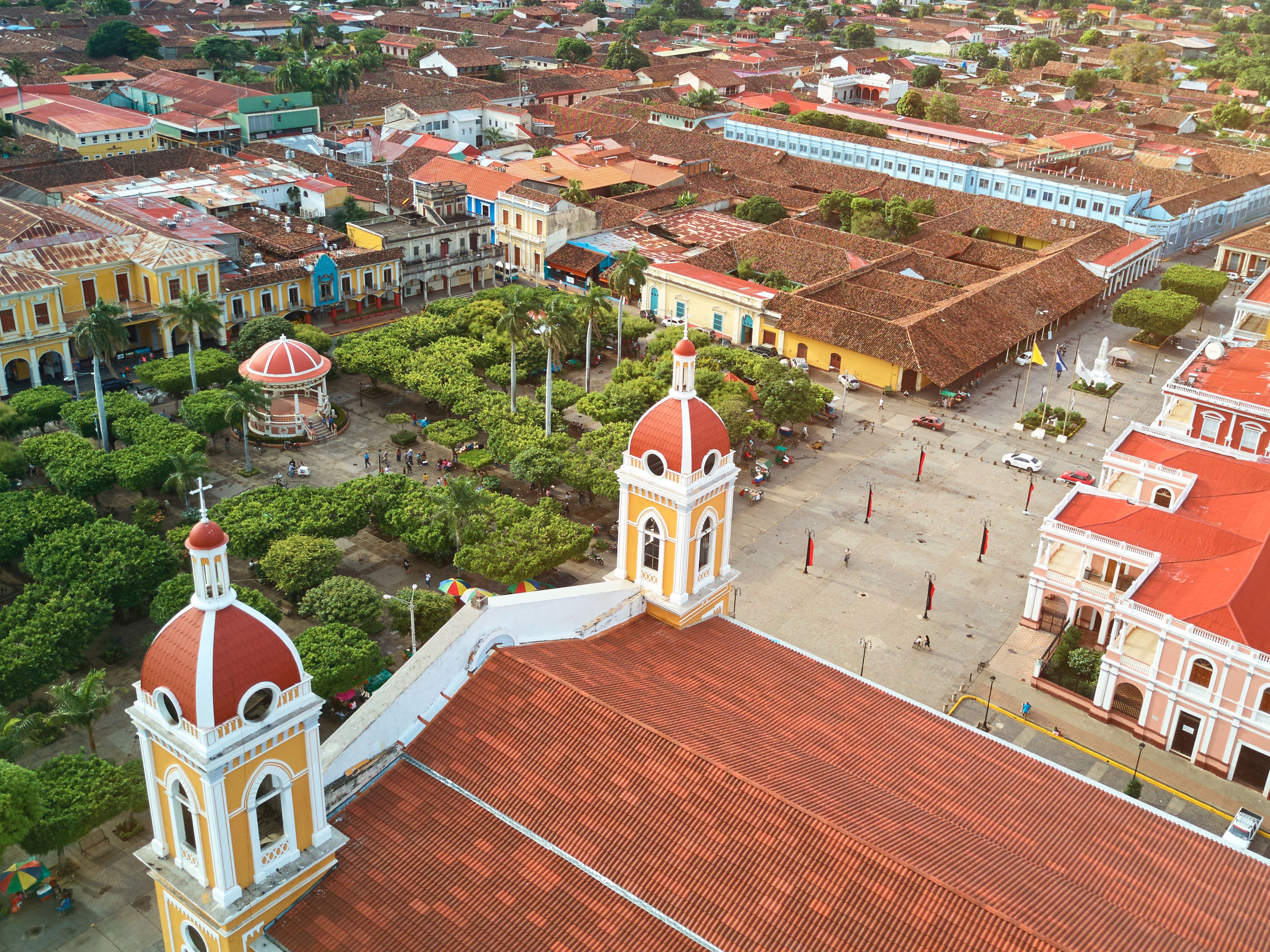
Culture Shock in Nicaragua


Summary: If you're planning a move to Nicaragua, or have recently settled there, it's natural to encounter some culture shock as you adjust to your new surroundings. Our insightful article is designed to help you navigate this transition smoothly. It offers practical tips and draws on the experiences of fellow expats who have successfully embraced the cultural nuances of Nicaragua.
Moving to Nicaragua can be an exciting adventure filled with vibrant culture, stunning landscapes, and warm-hearted people. However, as with any international move, it's essential to prepare for the potential culture shock that comes with immersing yourself in a new environment. This guide aims to help those considering or already planning a move to Nicaragua by outlining the phases of culture shock, language challenges, common cultural faux pas, and advice from seasoned expats.
1. Phases of Culture Shock for Newcomers in Nicaragua
Culture shock typically follows a predictable pattern, and understanding these phases can help you navigate your emotions and experiences more effectively. The first phase is the honeymoon stage, where everything seems exciting and new. You might feel exhilarated by the vibrant colors, unique flavors, and friendly locals. However, this phase is often followed by the frustration stage, where the initial excitement wears off, and daily challenges become more apparent. You may struggle with language barriers, bureaucracy, or homesickness. It's crucial to remember that this phase is normal and temporary. The next phase is adjustment, where you begin to adapt to your new environment, learn the language, and establish routines. Finally, in the acceptance stage, you embrace your new life, appreciate the cultural differences, and may even find it hard to imagine leaving Nicaragua.
2. Language Challenges in Nicaragua
The official language of Nicaragua is Spanish, and while many locals may understand some English, especially in tourist areas, proficiency varies widely. If you're still learning Spanish, navigating daily life can be challenging, but it's also an excellent opportunity to improve your language skills. Locals are generally patient and appreciative of your efforts to speak their language. Consider enrolling in a Spanish course upon arrival, as it will not only help you communicate but also provide insight into the culture and customs. Additionally, be prepared for regional variations in Spanish, as Nicaragua has its own unique phrases and slang.
3. Top 5 Cultural Faux Pas Expats Make in Nicaragua
Greetings: Nicaraguans are generally warm and friendly, and greetings are important. A handshake is common among men, while women often greet each other with a kiss on the cheek. Failing to greet someone properly can be perceived as rude or disrespectful.
Punctuality: Nicaragua operates on a more relaxed time schedule compared to many Western countries. Social events often start later than the stated time, and being fashionably late is common. However, punctuality is expected for business meetings and formal events.
Dress Code: Nicaraguans take pride in their appearance and tend to dress more formally than many Westerners. Shorts, flip-flops, and tank tops are generally reserved for the beach or very casual settings. Dressing too casually for social events or business meetings may be seen as disrespectful.
Table Manners: Mealtimes are important social events in Nicaragua. It's considered impolite to leave the table immediately after finishing your meal. Lingering to chat and enjoy the company is expected.
Gestures: Some hand gestures have different meanings in Nicaragua. For example, the "OK" sign can be considered vulgar. Additionally, beckoning someone with a finger is seen as rude. Instead, use a downward wave of the hand with the palm facing down.
4. Expat Advice for Navigating Culture Shock in Nicaragua
Seasoned expats living in Nicaragua offer valuable insights and advice for newcomers facing culture shock. One common piece of advice is to embrace the pace. Nicaragua operates on a slower, more relaxed schedule, and trying to rush things can lead to frustration. Instead, take a deep breath and enjoy the slower pace of life.
Another tip is to engage with the local community. Join clubs, volunteer, or participate in local events. This will not only help you make friends but also provide a deeper understanding of the culture. Many expats also recommend learning to laugh at misunderstandings. Language barriers and cultural differences can lead to humorous situations, and being able to laugh at them can help alleviate stress and frustration.
Additionally, expats advise maintaining a sense of adventure. Explore the country, try new foods, and step out of your comfort zone. This mindset can turn potentially challenging situations into exciting experiences. Lastly, don't forget to take care of yourself. Culture shock can be emotionally and physically taxing. Make sure to prioritize self-care, whether that means indulging in a favorite hobby, practicing mindfulness, or staying connected with loved ones back home.
Moving to Nicaragua is a journey filled with both challenges and rewards. By understanding the phases of culture shock, embracing language learning, being aware of cultural faux pas, and heeding the advice of experienced expats, you can navigate this transition more smoothly. Above all, keep an open mind and heart, and you'll find that Nicaragua has much to offer those who call it home.
"Even my wife and I get the "ugly American" syndrome once in a while where you criticize the locals for some way they do things. I can't say we went through the stated stages. It is more like some days you are just in a bad mood and don't want to put up with the differences. My cure is usually to just walk away until the mood passes. Not knowing the language certainly does not help your adaptation. If I were to do it over, I would have done a family stay Spanish immersion for the first six months to ensure we were more fluent. You learn more in the immersion process in a week than a year of regular Spanish classes," said one expat living in Granada.
"I guess the depth of the new culture is what I appreciate most. Especially in the states you are conditioned to think the USA is number one in all aspects and that everyone wants to be like an American. Even in a small country like Nicaragua you find they have just as much national pride, historical richness, musical and artistical creativity, etc," said one expat living in Granada.
"Learning the language has been a challenging but fun task. Nicaragua being a poor country, you are challenged to see things in a new perspective. You first learn there is a huge difference between being poor and having no money. You appreciate how many people live well without money and those that just seem mired in poverty. The average education level here is around the third grade and the education system is so lacking that many people just don't have a lot of common knowledge. The expats know the history here often better than the locals. Once in a while I just want to have a deeper conversation with someone without arguments. The language barrier and level of education often prevents it," commented an expat living in Granada.
About the Author
 Betsy Burlingame is the Founder and President of Expat Exchange and is one of the Founders of Digital Nomad Exchange. She launched Expat Exchange in 1997 as her Master's thesis project at NYU. Prior to Expat Exchange, Betsy worked at AT&T in International
and Mass Market Marketing. She graduated from Ohio Wesleyan University
with a BA in International Business and German.
Betsy Burlingame is the Founder and President of Expat Exchange and is one of the Founders of Digital Nomad Exchange. She launched Expat Exchange in 1997 as her Master's thesis project at NYU. Prior to Expat Exchange, Betsy worked at AT&T in International
and Mass Market Marketing. She graduated from Ohio Wesleyan University
with a BA in International Business and German.
Some of Betsy's articles include 12 Best Places to Live in Portugal, 7 Best Places to Live in Panama and 12 Things to Know Before Moving to the Dominican Republic. Betsy loves to travel and spend time with her family. Connect with Betsy on LinkedIn.
Additional Information:
- Nicaragua Guide
- Healthcare & Health Insurance in Nicaragua
- Members Talk about Healthcare & Health Insurance in Nicaragua
- Best Places to Live in Nicaragua
- Real Estate in Nicaragua
- Guide to Real Estate in Nicaragua
- Pros & Cons of Living in Nicaragua
- Cost of Living in Nicaragua
- 9 Important Tips about Healthcare for Expats in Nicaragua
- 13 Things to Know Before You Move to Nicaragua
- 5 Best Places to Retire in Nicaragua
- 5 Great Places to Retire in Central America
- 2026 Guide to Living in Nicaragua
- Pros and Cons of Living in Nicaragua 2026
- 2026 Guide to Moving to Nicaragua