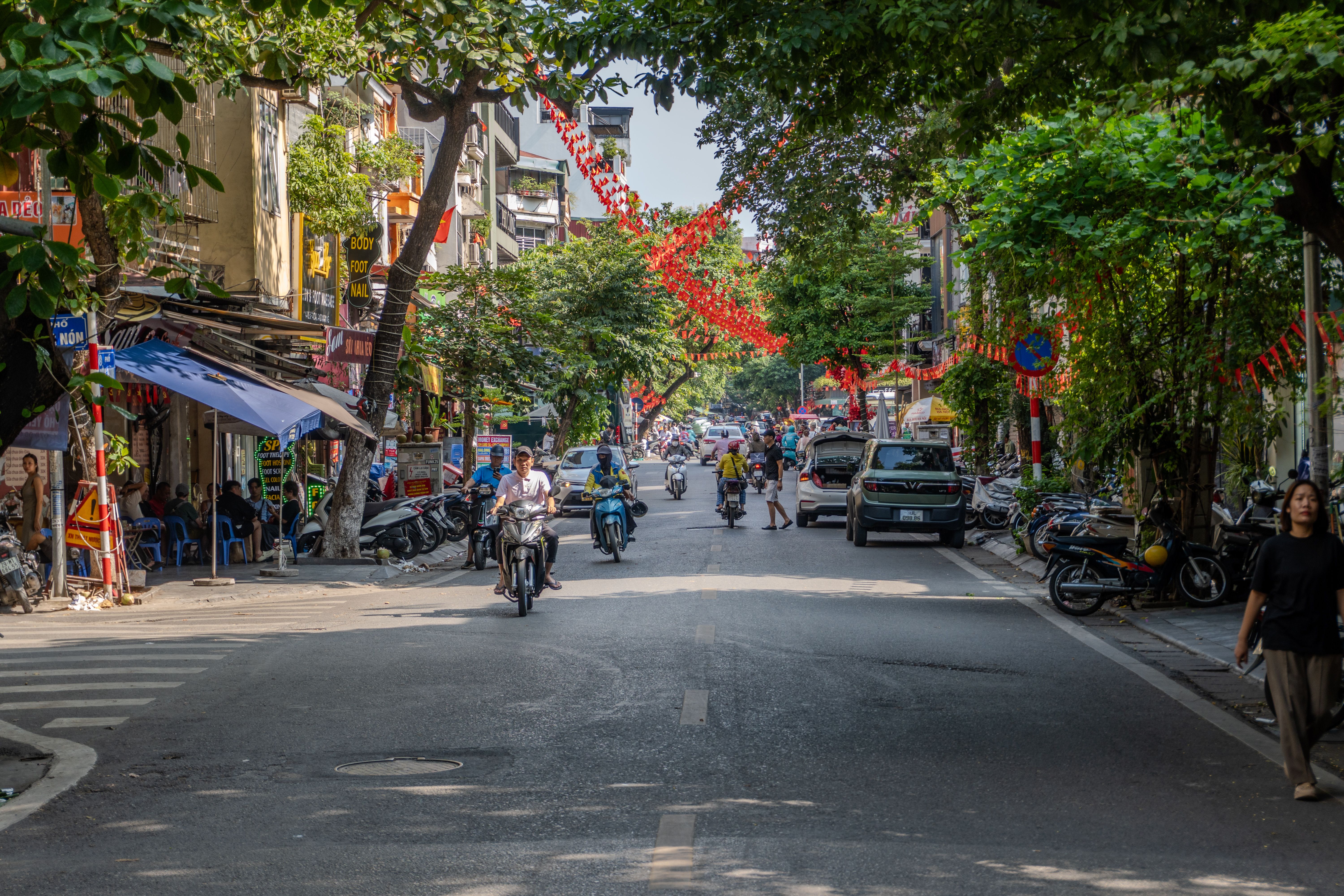
Culture Shock in Vietnam


Summary: If you're planning a move to Vietnam, or have recently settled there, it's natural to encounter some culture shock as you adjust to your new surroundings. Our insightful article is designed to help you navigate this transition smoothly. It offers practical tips and draws on the experiences of fellow expats who have successfully embraced the cultural nuances of Vietnam.
Vietnam, with its vibrant culture, rich history, and warm people, is an enticing destination for many expats. However, as with any international move, it's normal to wonder about culture shock. Let's dive into what to expect, from language barriers to cultural faux pas, and hear advice from seasoned expats.
1. Phases of Culture Shock in Vietnam
Culture shock typically unfolds in several phases. Initially, you may experience the Honeymoon Phase, where the excitement of new sights, sounds, and smells dominates. Vietnam's bustling streets, delicious food, and friendly locals can be intoxicating. However, this phase passes, leading to the Negotiation Phase. The chaos of traffic, language barriers, and different cultural norms may start to wear on you. It's common to feel frustrated, homesick, or irritable. But don't worry, with time and understanding, you'll enter the Adjustment Phase, where you'll start to feel more at home. Finally, in the Adaptation Phase, Vietnam will feel like your second home.
2. Language Barriers in Vietnam
Vietnamese is the official language, and while English is widely spoken, especially among younger generations, the language barrier can still pose challenges. If you're still learning, expect some difficulties, but don't let that deter you. Locals appreciate when foreigners make an effort to speak their language. Start with basic phrases, and consider enrolling in a language class. Body language and smiles can also go a long way. Remember, patience and a sense of humor are key when dealing with language barriers.
3. Biggest Cultural Faux Pas in Vietnam
Understanding cultural faux pas can help ease your transition. Here are the top five to avoid:
- Using Your Left Hand: Vietnamese culture reserves the left hand for unhygienic tasks. Always use your right hand for eating, shaking hands, and giving or receiving gifts.
- Disrespecting Elders: Age is highly respected in Vietnam. Always greet elders first and show them respect.
- Losing Your Temper: Public displays of anger are considered disrespectful and embarrassing. Stay calm and collected, even in frustrating situations.
- Wasting Food: Vietnamese culture values food highly. Finish what's on your plate to show appreciation.
- Ignoring Customs: Always remove your shoes when entering homes, and follow local customs, such as burning incense at temples or during Tet (Lunar New Year).
4. Expat Advice on Culture Shock in Vietnam
Embrace the Chaos: Vietnam, particularly in big cities, can be chaotic. Instead of resisting, embrace it. As expat John puts it, "Once I started going with the flow, I enjoyed the chaos of Hanoi's Old Quarter."
Learn the Language: Even basic Vietnamese can greatly enhance your experience. "Learning the language helped me connect with locals and understand the culture better," says long-term expat Linda.
Make Local Friends: Interacting with locals is the best way to understand the culture. "My Vietnamese friends have been invaluable in helping me navigate culture shock," shares expat Mark.
Be Open-Minded: Things may not always make sense, but keeping an open mind helps. Expat Sarah recalls, "I was initially shocked by the noise and traffic, but I learned to appreciate the energy and life on the streets."
Explore Beyond the Cities: Vietnam's rural areas offer unique insights into the culture. "Visiting the countryside gave me a deeper understanding of Vietnamese life," says expat Tom.
Practice Patience: Things may not always go as planned, but patience is key. "I've learned to laugh at situations that would have previously frustrated me," shares expat Laura.
Join Expat Communities: Connecting with fellow expats can provide support and advice. "Joining an expat group helped me navigate the ups and downs of life in Vietnam," says expat Mike.
5. Understanding Vietnamese Customs and Traditions
Vietnam has a rich tapestry of customs and traditions. Understanding these can help alleviate culture shock. For instance, Tet, the Lunar New Year, is the most important holiday. Families gather, special foods are prepared, and gifts are exchanged. Understanding such traditions can help you feel more connected to the culture. Similarly, ancestor veneration is widely practiced. Don't be surprised to see altars in homes and businesses.
6. Navigating Business Culture in Vietnam
For those moving for work, understanding business culture is crucial. Hierarchy is deeply ingrained, with respect for seniority and rank expected. Business meetings often involve small talk and tea drinking before actual business discussions. Building relationships is key in Vietnamese business culture. Be patient, as decisions may take longer than in Western cultures.
7. Adapting to Vietnamese Cuisine
Vietnamese cuisine is renowned for its freshness and variety. However, it can be a shock for some, with its use of ingredients like fish sauce and offal. Ease into it, trying popular dishes like pho and banh mi first. Street food is a highlight, but be cautious initially to avoid stomach upset. Don't be afraid to ask locals for recommendations.
8. Coping with Traffic and Noise
Vietnam's cities, particularly Hanoi and Ho Chi Minh City, are notorious for traffic and noise. The constant honking and chaotic traffic can be overwhelming. Take it slow when learning to cross the street, and consider using ride-hailing apps for ease. Earplugs can be a lifesaver at night. Remember, this is all part of the Vietnamese urban experience.
9. Finding Comfort in Vietnamese Hospitality
Despite the challenges, you'll find solace in Vietnamese hospitality. Locals are generally friendly and welcoming. You might be invited to a local's home for a meal or offered help when lost. Embrace these experiences; they're a wonderful part of living in Vietnam.
10. Seeking Support for Culture Shock
Culture shock is normal and can be challenging. Don't hesitate to seek support. This could be from fellow expats, local friends, or even professional counselors. There are many resources available to help you through this transition.
Moving to Vietnam is an adventure filled with ups and downs. Embrace the journey, stay open-minded, and seek support when needed. With time and understanding, you'll not only adjust to life in Vietnam but also grow to love its unique culture.
"There's always something happening or something to see in Ho Chi Minh City that takes you by surprise. You don't know what you're going to see when you leave the apartment. A lot of entrepeneurs here, who have a positive attitude and we appreciate that alot, having moved from the doom and gloom and miserable attitude in Europe. Also we feel safe in the city and we're able to drive around independently on our scooter - something that can't be said of every city in south east asia," said one expat living in Ho Chi Minh City.
"We used to have a selection of dried herbs/spices/oils/vinegars etc for cooking at home, but very little of that exists here. We don't have time to go shopping for fresh herbs and fresh meat/fish every day like the locals do, so we eat out every night instead. It's cheaper but we miss cooking sometimes. Nothing seems to work in a logical way here. It's as if each organisation is developing in different directions and so unexpected things happen a lot. Vietnamese people can come across as very rude -but only if they don't speak english. They are embarassed to show themselves up. Otherwise, the locals who can speak english are very welcoming and will want you to stay in their country forever," commented an expat living in Ho Chi Minh City.
"My biggest challenge was getting a visa every time. I've been here for 9 years now. I originally came here on a business visa that the Vietnamese Embassy issued. At that time I didn't know that, technically, I was supposed to apply for a work permit after getting a job. Since I was "retired", living off of savings and eventually Social Security, I didn't work. So I had to borrow $15,000 to invest in a company and get an investors visa. The length of stay for business visas keep changing. Sometimes it's a year, with a "renewal" every three months and then a border run to get a new one, and sometimes it's only 30 days. I wish they would implement a retirement visa for those of us who just want to retire and enjoy life," said an expat in Ho Chi Minh City.
About the Author
 Joshua Wood, LPC joined Expat Exchange in 2000 and serves as one of its Co-Presidents. He is also one of the Founders of Digital Nomad Exchange. Prior to Expat Exchange, Joshua worked for NBC Cable (MSNBC and CNBC
Primetime). Joshua has a BA from Syracuse and a Master's in Clinical and Counseling Psychology from Fairleigh Dickinson University. Mr. Wood is also a licensed counselor and psychotherapist.
Joshua Wood, LPC joined Expat Exchange in 2000 and serves as one of its Co-Presidents. He is also one of the Founders of Digital Nomad Exchange. Prior to Expat Exchange, Joshua worked for NBC Cable (MSNBC and CNBC
Primetime). Joshua has a BA from Syracuse and a Master's in Clinical and Counseling Psychology from Fairleigh Dickinson University. Mr. Wood is also a licensed counselor and psychotherapist.
Some of Joshua's articles include Pros and Cons of Living in Portugal, 10 Best Places to Live in Ireland and Pros and Cons of Living in Uruguay. Connect with Joshua on LinkedIn.
Additional Information:
- Vietnam Guide
- Healthcare & Health Insurance in Vietnam
- Members Talk about Healthcare & Health Insurance in Vietnam
- Best Places to Live in Vietnam
- Real Estate in Vietnam
- Guide to Real Estate in Vietnam
- Pros & Cons of Living in Vietnam
- Cost of Living in Vietnam
- Moving to Vietnam with a Pet
- Understanding Mental Health in Vietnam
- Do I need Health Insurance When Moving to Vietnam?
- Having a Baby in Vietnam
- 2026 Guide to Living in Vietnam
- Pros and Cons of Living in Vietnam 2026
- 2026 Guide to Moving to Vietnam