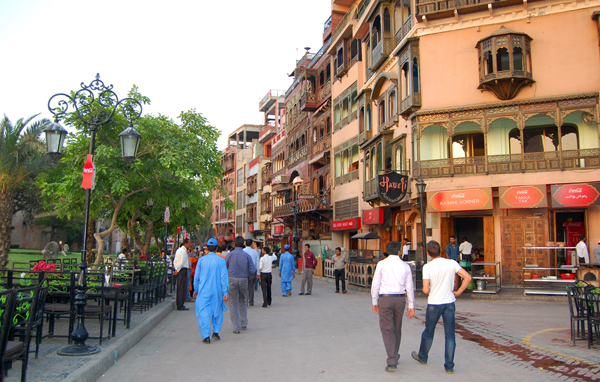
Dengue Virus in Pakistan


Summary: The presence of the Aedes mosquito in Pakistan brings with it the risk of the dengue virus. It's vital to recognize dengue symptoms and engage in preventative practices to lessen the likelihood of mosquito bites in the region.
Dengue virus, a mosquito-borne infection, has emerged as a significant public health concern in Pakistan. This virus is transmitted primarily by the Aedes aegypti and Aedes albopictus mosquitoes, posing a substantial threat to both locals and expats. Understanding the disease, its prevalence, prevention strategies, and impacts on different demographic groups is crucial for mitigating its spread and ensuring public safety.
What is Dengue Disease?
Dengue disease is a viral infection characterized by symptoms such as high fever, severe headache, muscle and joint pain, and a distinctive skin rash. The illness typically lasts for about a week, with symptoms appearing 4 to 10 days after being bitten by an infected mosquito. While most cases are mild, dengue can progress to severe dengue, also known as dengue hemorrhagic fever, which can lead to internal bleeding, shock, and even death if left untreated. Long-lasting effects, although rare, may include fatigue, depression, and neurological complications.
Where is Dengue Most Prevalent in Pakistan?
Dengue is most prevalent in urban areas of Pakistan, particularly in the provinces of Punjab and Sindh. Cities like Lahore, Karachi, and Islamabad have seen significant outbreaks due to factors such as dense population, inadequate sanitation, and favorable climatic conditions for mosquito breeding. The monsoon season exacerbates the problem, as stagnant water provides ideal breeding grounds for Aedes mosquitoes.
How Do Expats in Pakistan Prevent Mosquito Bites?
Expats in Pakistan can take several precautions to prevent mosquito bites. These include using mosquito repellents containing DEET, wearing long-sleeved clothing and long pants, installing mosquito nets over beds, and ensuring that windows and doors are fitted with screens. Additionally, eliminating standing water sources around residential areas can help reduce mosquito breeding. Regular fumigation and maintaining cleanliness are also effective preventive measures.
What if I Get Dengue Virus in Pakistan?
If you suspect you have contracted dengue virus in Pakistan, it is crucial to seek medical attention immediately. Early diagnosis and treatment can significantly improve outcomes. There is no specific antiviral treatment for dengue; instead, management focuses on relieving symptoms and maintaining hydration. In severe cases, hospitalization may be required for fluid replacement and close monitoring. Prompt medical care is essential to prevent complications and ensure a speedy recovery.
Is Dengue Virus Contagious?
Dengue virus is not contagious and cannot be transmitted directly from person to person. The virus is spread through the bite of an infected Aedes mosquito. Once a mosquito bites an infected individual, it can transmit the virus to another person during subsequent bites. Therefore, the key to preventing the spread of dengue lies in controlling the mosquito population and protecting oneself from mosquito bites.
Does Dengue Virus Pose More Danger for Children, the Elderly, or the Immune-Compromised?
Dengue virus can be more dangerous for certain demographic groups, including children, the elderly, and individuals with compromised immune systems. Children and the elderly are at higher risk of developing severe dengue due to their weaker immune responses. Similarly, immune-compromised individuals may experience more severe symptoms and complications. Early detection and timely medical intervention are crucial for these vulnerable populations to prevent life-threatening outcomes.
In conclusion, dengue virus poses a significant health risk in Pakistan, particularly in urban areas. Understanding the symptoms, prevention strategies, and the importance of seeking medical care can help mitigate the impact of dengue. While the virus is not contagious, preventing mosquito bites is the most effective way to avoid infection. Vulnerable populations, including children, the elderly, and the immune-compromised, require special attention to ensure their safety and well-being.
About the Author
 Betsy Burlingame is the Founder and President of Expat Exchange and is one of the Founders of Digital Nomad Exchange. She launched Expat Exchange in 1997 as her Master's thesis project at NYU. Prior to Expat Exchange, Betsy worked at AT&T in International
and Mass Market Marketing. She graduated from Ohio Wesleyan University
with a BA in International Business and German.
Betsy Burlingame is the Founder and President of Expat Exchange and is one of the Founders of Digital Nomad Exchange. She launched Expat Exchange in 1997 as her Master's thesis project at NYU. Prior to Expat Exchange, Betsy worked at AT&T in International
and Mass Market Marketing. She graduated from Ohio Wesleyan University
with a BA in International Business and German.
Some of Betsy's articles include 12 Best Places to Live in Portugal, 7 Best Places to Live in Panama and 12 Things to Know Before Moving to the Dominican Republic. Betsy loves to travel and spend time with her family. Connect with Betsy on LinkedIn.
Additional Information:
- Pakistan Guide
- Healthcare & Health Insurance in Pakistan
- Members Talk about Healthcare & Health Insurance in Pakistan
- Best Places to Live in Pakistan
- Guide to Real Estate in Pakistan
- Pros & Cons of Living in Pakistan
- Cost of Living in Pakistan
- Do I need Health Insurance When Moving to Pakistan?
- Best Places to Ski in Pakistan
- Having a Baby in Pakistan
- Health Insurance in Pakistan
- 2026 Guide to Living in Pakistan
- Pros and Cons of Living in Pakistan 2026