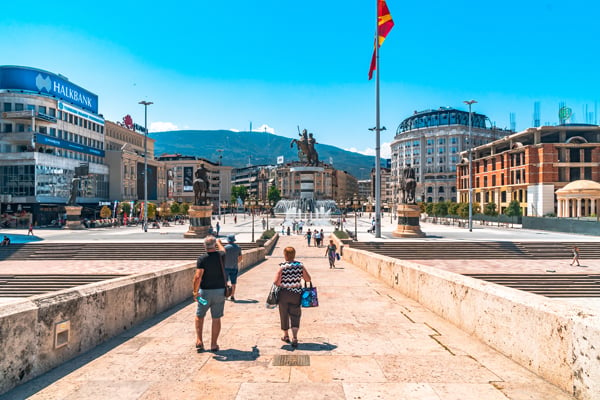


10 Cultural Faux Pas to Avoid While Living in Macedonia


Summary: Digital nomads should avoid making these 10 Cultural Faux Pas while living in Macedonia.
Living in a new country can be exciting and challenging, especially when it comes to navigating cultural nuances. Macedonia, a landlocked country in Southeastern Europe, has its own unique customs and norms. To help expats avoid cultural faux pas, here are ten tips for living in Macedonia.
1. Understand the Importance of Family
Family is the cornerstone of Macedonian society. It's not uncommon for extended families to live together or near each other. Showing respect and interest in someone's family is a great way to build rapport. A colleague might appreciate you asking about their family, but be mindful of their privacy and boundaries.
2. Greetings Matter
Greetings in Macedonia are typically warm and friendly. A handshake is common, and among close friends and family, a kiss on both cheeks is customary. When addressing someone, use the formal 'Vi' (you) until invited to use the informal 'ti'. A neighbor once shared their discomfort with an expat who immediately used 'ti', but they became good friends after the expat apologized and switched to 'Vi'.
3. Punctuality is Relative
Macedonians tend to have a relaxed approach to time. While punctuality is appreciated, it's not strictly adhered to, especially in social settings. It's not uncommon for social gatherings to start later than the scheduled time. An expat shared their initial frustration with this, but they soon adapted and now enjoy the more laid-back pace.
4. Dress Conservatively
Macedonia leans towards conservative dress, especially in rural areas and among the older generation. While younger people in urban areas may dress more casually, it's generally a good idea to dress modestly. An expat teacher found that dressing conservatively helped them gain respect in the classroom.
5. Food is Central to Social Life
Food plays a significant role in Macedonian culture. It's common to be offered food when visiting someone's home, and refusing can be seen as impolite. An expat shared their initial surprise at the amount of food they were offered, but they soon learned to accept graciously and enjoy the hospitality.
6. Respect Orthodox Christianity
The majority of Macedonians are Orthodox Christians. Respecting religious customs and holidays is important. For example, during Lent, many Macedonians fast from meat and dairy. An expat was touched when their colleagues explained these customs and included them in celebrations.
7. Gifts are Appreciated
Gift-giving is a common practice in Macedonia. If invited to someone's home, it's polite to bring a small gift, such as flowers, chocolates, or a bottle of wine. An expat found that their small gesture of bringing a gift was greatly appreciated and helped build friendships.
8. Coffee Culture
Coffee is a big part of Macedonian culture. It's not just a drink, but a social event. Inviting someone for a coffee is a common way to socialize. An expat shared their delight in discovering the local coffee culture and the many cafes where people spend hours chatting.
9. Direct Communication
Macedonians tend to communicate directly. They value honesty and straightforwardness. However, this doesn't mean being rude. An expat initially found this directness surprising, but they soon appreciated the clarity it brought to conversations.
10. Learn Some Macedonian
While many young people speak English, learning some basic Macedonian phrases can go a long way. It shows respect for the culture and can help build relationships. An expat found that their efforts to learn the language were greatly appreciated by their local friends and colleagues.
We'd love to hear your experiences and tips for living in Macedonia. Share your thoughts on Expat Exchange's Macedonia forum.
Expats Confess Their Cultural Faux Pas in Macedonia
"It is important to be aware of cultural differences when visiting Macedonia. It is important to be respectful of local customs and traditions, and to dress modestly. Avoid making negative comments about the country or its people, and be aware that public displays of affection are generally frowned upon. It is also important to be aware of the local religious customs, and to avoid eating pork or other non-halal foods in public. Additionally, it is important to be aware of the local language and to avoid speaking English or other foreign languages in public," commented an expat living in Macedonia.
About the Author
 Joshua Wood, LPC joined Expat Exchange in 2000 and serves as one of its Co-Presidents. He is also one of the Founders of Digital Nomad Exchange. Prior to Expat Exchange, Joshua worked for NBC Cable (MSNBC and CNBC
Primetime). Joshua has a BA from Syracuse and a Master's in Clinical and Counseling Psychology from Fairleigh Dickinson University. Mr. Wood is also a licensed counselor and psychotherapist.
Joshua Wood, LPC joined Expat Exchange in 2000 and serves as one of its Co-Presidents. He is also one of the Founders of Digital Nomad Exchange. Prior to Expat Exchange, Joshua worked for NBC Cable (MSNBC and CNBC
Primetime). Joshua has a BA from Syracuse and a Master's in Clinical and Counseling Psychology from Fairleigh Dickinson University. Mr. Wood is also a licensed counselor and psychotherapist.
Some of Joshua's articles include Pros and Cons of Living in Portugal, 10 Best Places to Live in Ireland and Pros and Cons of Living in Uruguay. Connect with Joshua on LinkedIn.
Additional Information:
- Macedonia Guide
- Healthcare & Health Insurance in Macedonia
- Members Talk about Healthcare & Health Insurance in Macedonia
- Best Places to Live in Macedonia
- Real Estate in Macedonia
- Guide to Real Estate in Macedonia
- Pros & Cons of Living in Macedonia
- Cost of Living in Macedonia
- Christmas in Macedonia
- Culture Shock in Macedonia
- Homeschooling in Macedonia
- How to Enroll Your Children in School in Macedonia
- Pros and Cons of Living in Macedonia 2026