
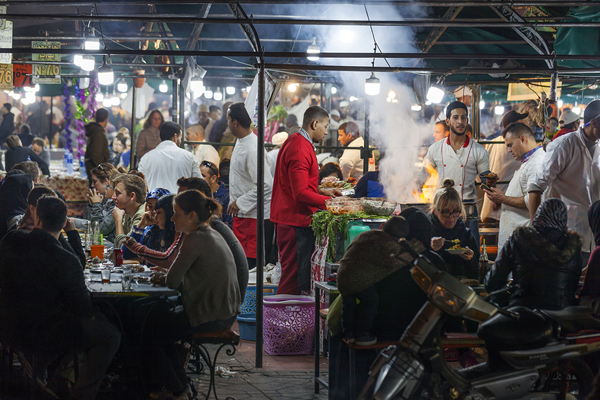


10 Cultural Faux Pas to Avoid While Living in Morocco


Summary: Digital nomads should avoid making these 10 Cultural Faux Pas while living in Morocco.
Living in a new country can be both exciting and challenging, with cultural nuances presenting potential hurdles. For expats in Morocco or those planning to move there, understanding local customs and etiquette is crucial for a smooth transition. Here are ten tips to help avoid cultural faux pas and navigate Moroccan life with ease.
1. Dress Modestly and Respectfully
Morocco is a predominantly Muslim country, and dressing modestly is essential. Men and women should cover their shoulders and knees in public. While areas like Marrakech and Casablanca may be more lenient, it's respectful to adhere to these guidelines, especially in rural areas. Shorts and sleeveless tops are generally not acceptable, except at the beach.
2. Understand the Importance of Greetings
Greetings in Morocco are significant and should not be rushed. Handshakes are common, and among close friends, greetings may include kisses on both cheeks. Use "As-salam alaykom" (Peace be upon you) as a standard greeting. It's polite to inquire about family and health, showing genuine interest.
3. Respect Religious Practices
Morocco takes its religious practices seriously. Avoid eating, drinking, or smoking in public during Ramadan, as it is disrespectful to those who are fasting. Additionally, be mindful of prayer times and respect the customs associated with them.
4. Mind Your Left Hand
In Morocco, the left hand is traditionally used for personal hygiene and is considered unclean. Always use your right hand for eating, shaking hands, and giving or receiving items. Using the left hand for these activities can be seen as rude.
5. Be Punctual, but Expect Delays
While punctuality is appreciated, Moroccan culture is more relaxed about time. Social events often start later than scheduled. However, it's polite to arrive on time for business meetings, even if they may not start promptly.
6. Respect Elders and Hierarchy
Moroccan society values respect for elders and hierarchy. Always greet the oldest person first and show deference to those in positions of authority. This respect is a fundamental aspect of Moroccan culture.
7. Learn Basic Arabic or French
While many Moroccans speak English, learning basic Arabic or French can significantly enhance your experience. Locals appreciate the effort to communicate in their language, and it can help build stronger relationships.
8. Be Cautious with Gifts
Gift-giving is common in Morocco, but avoid giving alcohol or pork products, as they are forbidden in Islam. Opt for high-quality, culturally appropriate items. Gifts are usually opened in private, not in front of the giver.
9. Respect Privacy and Personal Space
Moroccans value privacy and personal space. Avoid asking direct questions about someone's family, especially their wife or daughters. Respect their personal boundaries and be mindful of their comfort.
10. Be Patient and Adaptable
Life in Morocco can be unpredictable, with bureaucracy and daily challenges. Stay patient and adaptable, embracing the slower pace of life. This mindset will help you integrate more smoothly into Moroccan society.
We encourage you to share your experiences and tips on Expat Exchange's Morocco forum. Your insights can be invaluable to other expats navigating life in Morocco.
Expats Confess Their Cultural Faux Pas in Morocco
"It is important to be mindful of cultural differences when visiting Morocco. It is important to dress modestly, especially when visiting religious sites. Avoid public displays of affection, as this is considered inappropriate in Morocco. It is also important to be respectful of local customs and traditions, and to avoid discussing sensitive topics such as religion or politics. Additionally, it is important to be aware of the local laws and regulations, and to avoid engaging in activities that are illegal in Morocco. Finally, it is important to be respectful of the local people and their culture, and to avoid making assumptions or judgments about them," commented an expat living in Morocco.
About the Author
 Joshua Wood, LPC joined Expat Exchange in 2000 and serves as one of its Co-Presidents. He is also one of the Founders of Digital Nomad Exchange. Prior to Expat Exchange, Joshua worked for NBC Cable (MSNBC and CNBC
Primetime). Joshua has a BA from Syracuse and a Master's in Clinical and Counseling Psychology from Fairleigh Dickinson University. Mr. Wood is also a licensed counselor and psychotherapist.
Some of Joshua's articles include Pros and Cons of Living in Portugal, 10 Best Places to Live in Ireland and Pros and Cons of Living in Uruguay. Connect with Joshua on LinkedIn.
Additional Information:
- Morocco Guide
- Healthcare & Health Insurance in Morocco
- Members Talk about Healthcare & Health Insurance in Morocco
- Best Places to Live in Morocco
- Real Estate in Morocco
- Guide to Real Estate in Morocco
- Pros & Cons of Living in Morocco
- Cost of Living in Morocco
- How to Buy a Home in Morocco
- Pros and Cons of Living in Morocco
- How to Rent a Home in Morocco
- How to Enroll in the Public Healthcare System in Morocco
- Pros and Cons of Living in Morocco 2026
- 2026 Guide to Moving to Morocco