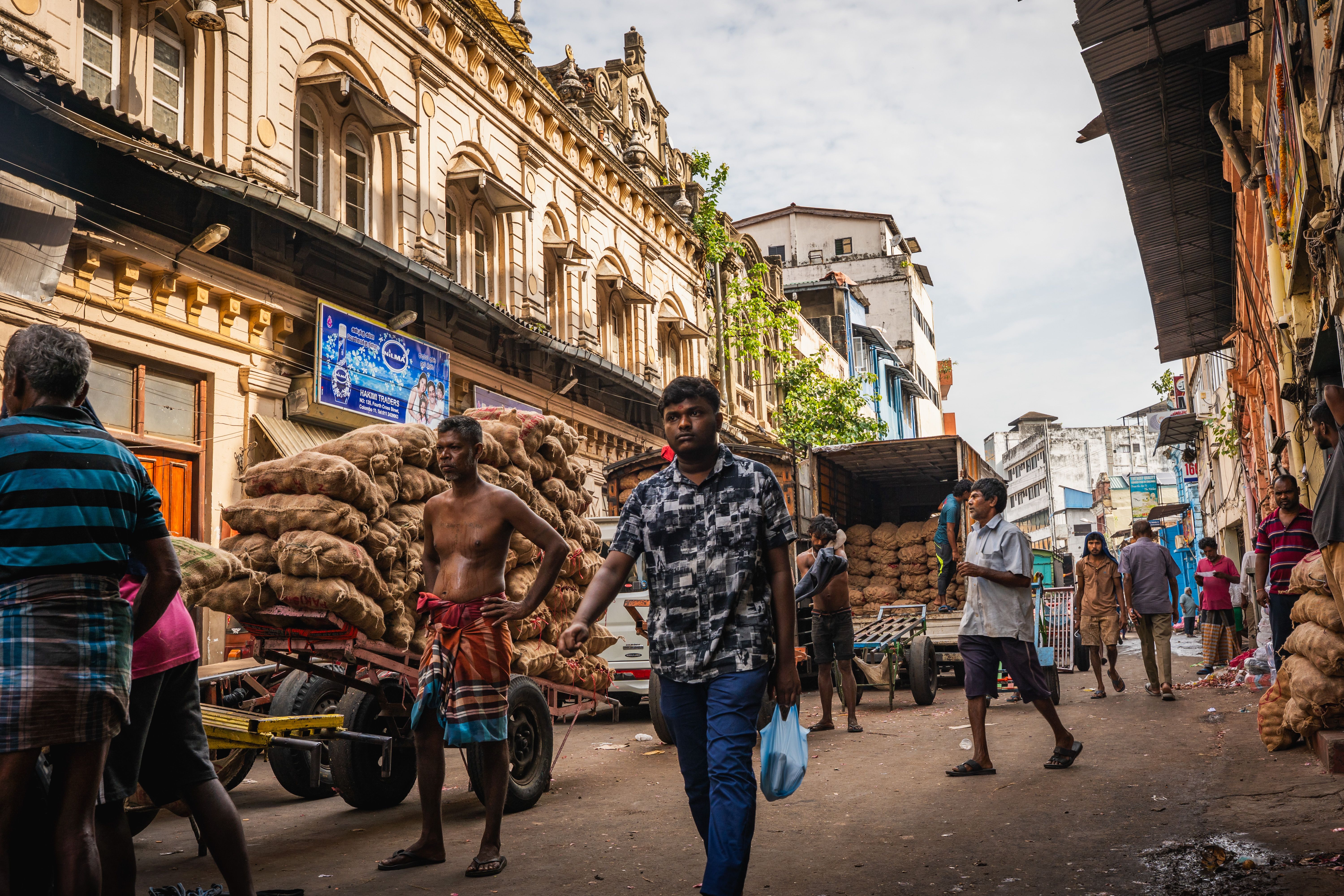
Understanding the Health System in Sri Lanka


Summary: Gain insight into the health care system in Sri Lanka. Explore its accessibility and limitations for expatriates, remote workers, retirees, and others who choose to live in Sri Lanka.
Welcome to Sri Lanka, a tropical paradise with a rich cultural heritage and beautiful landscapes. If you're an expat considering buying a home in Sri Lanka, this guide will provide you with essential information to navigate the property market and make informed decisions. Let's dive into the key topics you need to understand when buying a home in Sri Lanka.
How do I find houses for sale in Sri Lanka?
Finding houses for sale in Sri Lanka can be done through various methods. Online property portals like LankaPropertyWeb, Lamudi, and House.lk are popular platforms to browse listings. Additionally, local newspapers, real estate agents, and visiting local communities can provide valuable leads. Networking with locals and other expats can also uncover hidden gems in the property market.
Are there restrictions on foreigners owning property in Sri Lanka?
Yes, there are restrictions on foreigners owning property in Sri Lanka. Foreigners are not allowed to buy land outright but can lease land for up to 99 years with the approval of the Land Ministry. However, foreigners can purchase apartments above the ground floor without restrictions. To circumvent land ownership restrictions, some foreigners form a company incorporated in Sri Lanka to hold the property.
Does Sri Lanka have an MLS type system?
Sri Lanka does not have a centralized Multiple Listing Service (MLS) system like in some Western countries. Property listings are scattered across various platforms and real estate agents. Therefore, buyers often need to rely on multiple sources and agents to find suitable properties.
Do brokers have licenses and how do I know if they are licensed?
Real estate brokers in Sri Lanka are required to be registered with the Condominium Management Authority (CMA) and the Registrar of Companies. To verify if a broker is licensed, you can request their registration details or check with the relevant authorities. It's crucial to work with licensed brokers to ensure legitimacy and professionalism.
What documents are required when buying a home?
When buying a home in Sri Lanka, you will need the following documents: a clear title report, a copy of the deed, a survey plan, a valuation report, a copy of the seller's National Identity Card (NIC), and a copy of your passport. Additionally, if the property is being purchased through a company, you will need the company's registration documents. Ensure all documents are thoroughly reviewed by a legal professional.
Do I need a lawyer when buying a home in Sri Lanka?
Yes, it is highly recommended to hire a lawyer when buying a home in Sri Lanka. A lawyer will conduct a title search, review all legal documents, draft and review the sales agreement, and guide you through the legal process. Legal fees vary but typically range from 1% to 3% of the property value. Engaging a lawyer ensures your interests are protected and the transaction is legally sound.
Do people typically buy a property with all cash or take out a mortgage?
In Sri Lanka, both cash purchases and mortgages are common. However, mortgage options for foreigners may be limited and subject to higher interest rates. Some local banks offer home loans to foreigners, but the terms and conditions can vary significantly. It's advisable to consult with banks and financial advisors to explore your financing options.
Are there inspections that take place, and if so what is that process like?
Property inspections in Sri Lanka are not as standardized as in some other countries. However, buyers can hire professional inspectors or surveyors to assess the property's condition. The inspection process typically involves checking the structural integrity, electrical systems, plumbing, and overall condition of the property. It's essential to arrange inspections before finalizing the purchase to avoid any surprises.
What are some of the pitfalls to avoid when buying property in Sri Lanka?
When buying property in Sri Lanka, be cautious of common pitfalls such as unclear title deeds, encroachments, and disputes over ownership. Always conduct a thorough title search and ensure all legal documents are in order. Be wary of properties with ongoing legal issues or those without proper approvals. Working with reputable agents and lawyers can help you navigate these challenges and make informed decisions.
Insider Tips from Expats in Sri Lanka: How to Navigate the Health System
"Sri Lanka has a comprehensive system that provides a range of services to its citizens. The public healthcare system is largely funded by the government and is free or heavily subsidized for citizens. The quality of public healthcare in Sri Lanka is generally good, with a wide range of services available. Foreign residents do have access to the public healthcare system, although they may be required to pay a fee. Expats in Sri Lanka can use the public healthcare system, but they may need to pay a fee for certain services. In addition, there are also private healthcare providers in Sri Lanka that offer more specialized services, but these are usually more expensive than the public system," commented one member living in Sri Lanka.
"I have had great care, in Colombo. Great physicians and clinics. Most doctors have practice inside the hospitals as well. It might be even more advanced now! Great Private Hospitals: 1. Apollo ( expensive, but thanks to Dollar Rupee exchange rate) Regional's best 2. Nawaloka 3. Durdens 4. Asiri ," mentioned one expat living in Sri Lanka.
"There is one fairly modern hospital in the city. They do have a small ER and actually do some surgery but anything serious is sent 27 miles away to Colombo. If you have chronic medical conditions be aware that Sri Lanka has high humidity and can have extreme heat. You can manage most chronic conditions but be aware that to see a doctor you have to wait in long lines at times. People will cut in front of you at times and a five minute office visit would be considered lengthy. The best private hospital in Negombo offers annual comprehensive health check ups for male/female for around $150 each and it takes all day. They are done by doctors not techs. It is a worthwhile investment," said an expat in Sri Lanka.
"Emergency services in Sri Lanka are generally reliable and efficient. In the event of an emergency, the best way to call for an ambulance is to dial the national emergency number, which is 119. The ambulance service is free of charge and is available 24 hours a day, 7 days a week. The ambulance service is provided by the Sri Lanka Red Cross Society and is staffed by trained personnel. The ambulance will be dispatched to the location of the emergency and will provide medical assistance as needed," commented one member living in Sri Lanka.
"The closest ER is 15 minutes from our house. There is a number to call a local ambulance but don't know the response time. Probably would just load up in a tuk-tuk if possible and run for the ER. The best private hospital in Negombo is Nawaloka Hospital. The Government Hospital is very close to it as well. The quality of care is good once you are admitted. The hospital equipment is up to date and clean. The hospital it self is kept clean. They are very kind but you feel kind of lost. Too much staff doing little to nothing. You can call an ambulance by phone. However, the street names here are very confusing even to locals so be prepared to know landmarks for them to find you and if you have neighbors or a local that can tell them your location ... so much the better," mentioned one expat living in Sri Lanka.
About the Author
 Joshua Wood, LPC joined Expat Exchange in 2000 and serves as one of its Co-Presidents. He is also one of the Founders of Digital Nomad Exchange. Prior to Expat Exchange, Joshua worked for NBC Cable (MSNBC and CNBC
Primetime). Joshua has a BA from Syracuse and a Master's in Clinical and Counseling Psychology from Fairleigh Dickinson University. Mr. Wood is also a licensed counselor and psychotherapist.
Joshua Wood, LPC joined Expat Exchange in 2000 and serves as one of its Co-Presidents. He is also one of the Founders of Digital Nomad Exchange. Prior to Expat Exchange, Joshua worked for NBC Cable (MSNBC and CNBC
Primetime). Joshua has a BA from Syracuse and a Master's in Clinical and Counseling Psychology from Fairleigh Dickinson University. Mr. Wood is also a licensed counselor and psychotherapist.
Some of Joshua's articles include Pros and Cons of Living in Portugal, 10 Best Places to Live in Ireland and Pros and Cons of Living in Uruguay. Connect with Joshua on LinkedIn.
Additional Information:
- Sri Lanka Guide
- Healthcare & Health Insurance in Sri Lanka
- Members Talk about Healthcare & Health Insurance in Sri Lanka
- Best Places to Live in Sri Lanka
- Real Estate in Sri Lanka
- Guide to Real Estate in Sri Lanka
- Pros & Cons of Living in Sri Lanka
- Cost of Living in Sri Lanka
- Pros and Cons of Living in Sri Lanka
- How to Rent a Home in Sri Lanka
- How to Enroll in the Public Healthcare System in Sri Lanka
- Getting a Driver's License in Sri Lanka
- Pros and Cons of Living in Sri Lanka 2026