Understanding the Health System in Switzerland


Summary: Learn about the health system in Switzerland: how it can and cannot be used by expats, nomads, retirees and others moving to and living in Switzerland.
Moving to Switzerland can be an exciting adventure, and buying a home can help you truly settle into your new life. However, the Swiss property market can be complex for expats. This guide will walk you through the process, including finding properties, understanding restrictions, and navigating the buying process.
How do I find houses for sale in Switzerland?
Finding houses for sale in Switzerland can be done through various methods. Online platforms are a good starting point, with popular websites like Homegate, Immoscout24, and Comparis offering a wide range of listings. Additionally, local newspapers and real estate agencies can provide valuable resources. Networking and word-of-mouth can also lead to opportunities, as some properties may not be publicly listed.
Are there restrictions on foreigners owning property in Switzerland?
Yes, there are restrictions on foreigners owning property in Switzerland. Non-resident foreigners need a permit to buy, and permits are typically only granted to people who hold a Swiss residence permit (B, C, Ci, L, or G). Even with a permit, foreigners may only buy a property of a certain size and may face restrictions on selling. EU/EFTA citizens benefit from more lenient rules under the Agreement on the Free Movement of Persons. It's crucial to check specific cantonal rules, as they can vary.
Does Switzerland have an MLS type system?
Switzerland does not have a centralized Multiple Listing Service (MLS) like the one used in the United States. Instead, properties are listed through various websites, real estate agencies, and local platforms. This means you may need to check multiple sources to get a comprehensive overview of available properties.
Do brokers have licenses and how do I know if they are licensed?
Real estate brokers in Switzerland do not require a specific license to operate. However, many are members of professional associations that have their own regulations and codes of conduct. To ensure you are working with a reputable broker, look for membership in organizations like the Swiss Union of Real Estate Professionals (SVIT) or the Swiss Real Estate Association (SIA).
What documents are required when buying a home?
When buying a home in Switzerland, you will need to provide several documents. These typically include a valid passport or ID, proof of residence, proof of funds or a loan agreement, and a signed sales agreement. Depending on your situation, you may also need a permit to purchase property, tax documents, and documents related to the property itself, such as the land registry extract and building insurance policy.
Do I need a lawyer when buying a home in Switzerland?
While it is not legally required to have a lawyer when buying a home in Switzerland, it is highly recommended. A lawyer can help review contracts, ensure all legal requirements are met, and assist with the property transfer process. Legal fees can vary but typically range from 0.5% to 1% of the property price. It's essential to ensure your lawyer speaks your language and understands the local laws.
Do people typically buy a property with all cash or take out a mortgage?
In Switzerland, both cash purchases and mortgages are common. However, most buyers opt for a mortgage to finance their property purchase. Swiss banks typically offer mortgages covering up to 80% of the property value, with the remaining 20% paid in cash as a down payment. Mortgage terms and conditions can vary, so it's essential to shop around and compare offers.
Are there inspections that take place, and if so what is that process like?
Property inspections are not mandatory in Switzerland, but they are recommended. You can hire a professional inspector to assess the property's condition, check for any defects, and provide a detailed report. The process usually involves a visual inspection, a review of the property's documentation, and an assessment of its compliance with local regulations. The cost of an inspection varies depending on the property size and location.
What are some of the pitfalls to avoid when buying property in Switzerland?
When buying property in Switzerland, be aware of potential pitfalls. These include hidden costs such as maintenance fees, insurance, and taxes. Additionally, be mindful of language barriers, as they can lead to misunderstandings and legal issues. Always ensure you have the necessary permits and that the property complies with local regulations. Lastly, be cautious of overpaying, especially in competitive markets, and thoroughly research the property and its surroundings before making a decision.
Insider Tips from Expats in Switzerland: How to Navigate the Health System
"Healthcare services in Switzerland are provided by both public and private providers. The public system is funded by taxes and is available to all Swiss citizens and permanent residents. The quality of public healthcare is generally high, with a wide range of services available, including primary care, specialist care, hospital care, and preventive care. Foreign residents are also eligible for public healthcare, although they may need to pay a fee for some services. Expats in Switzerland can use the public healthcare system, but they may need to pay a fee for some services. They may also choose to purchase private health insurance, which can provide additional coverage," commented one member living in Switzerland.
"Emergency services in Switzerland are highly efficient and reliable. In the event of an emergency, the Swiss emergency number is 112. This number is free of charge and can be called from any phone, including mobile phones. When calling 112, the operator will ask for the type of emergency and the location. An ambulance will then be dispatched to the scene. Ambulance services in Switzerland are provided by the Swiss Red Cross and are available 24 hours a day, 7 days a week," commented one member living in Switzerland.
About the Author
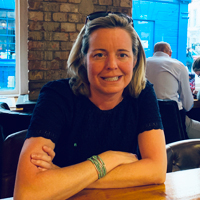 Betsy Burlingame is the Founder and President of Expat Exchange and is one of the Founders of Digital Nomad Exchange. She launched Expat Exchange in 1997 as her Master's thesis project at NYU. Prior to Expat Exchange, Betsy worked at AT&T in International
and Mass Market Marketing. She graduated from Ohio Wesleyan University
with a BA in International Business and German.
Betsy Burlingame is the Founder and President of Expat Exchange and is one of the Founders of Digital Nomad Exchange. She launched Expat Exchange in 1997 as her Master's thesis project at NYU. Prior to Expat Exchange, Betsy worked at AT&T in International
and Mass Market Marketing. She graduated from Ohio Wesleyan University
with a BA in International Business and German.
Some of Betsy's articles include 12 Best Places to Live in Portugal, 7 Best Places to Live in Panama and 12 Things to Know Before Moving to the Dominican Republic. Betsy loves to travel and spend time with her family. Connect with Betsy on LinkedIn.
Additional Information:
- Switzerland Guide
- Healthcare & Health Insurance in Switzerland
- Members Talk about Healthcare & Health Insurance in Switzerland
- Best Places to Live in Switzerland
- Real Estate in Switzerland
- Guide to Real Estate in Switzerland
- Pros & Cons of Living in Switzerland
- Cost of Living in Switzerland
- 10 Things to Know Before Moving to Switzerland
- How to Buy a Home in Switzerland
- Pros and Cons of Living in Switzerland
- How to Rent a Home in Switzerland
- 2026 Guide to Living in Switzerland
- Pros and Cons of Living in Switzerland 2026
- 2026 Guide to Moving to Switzerland