Chiang Mai
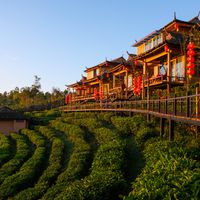
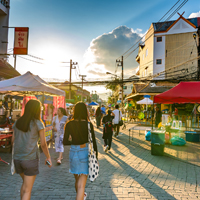
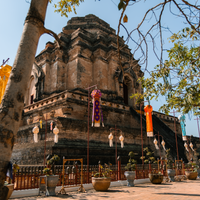
Urban RiverfrontChiang Mai is the largest city in northern Thailand and serves as the cultural and economic heart of the region. Known as the 'Rose of the North,' it is renowned for its rich cultural heritage, ancient temples, and vibrant artistic traditions. The city is home to hundreds of Buddhist temples, including the famous Wat Phra Singh and Wat Chedi Luang, which showcase stunning traditional Thai architecture and intricate craftsmanship. Chiang Mai's Old City is surrounded by ancient walls and moats, creating a distinctive historic character that blends seamlessly with modern development. The city is a major center for traditional Thai crafts, including silk weaving, wood carving, and ceramics, with numerous artisan workshops and markets. Chiang Mai hosts the world-famous Yi Peng Lantern Festival and Songkran water festival, attracting visitors from around the globe. The surrounding region offers natural attractions including mountains, waterfalls, and elephant sanctuaries. The city has a relaxed, laid-back atmosphere compared to Bangkok, with tree-lined streets, local markets, and a strong sense of community. Chiang Mai has become increasingly popular with digital nomads and expats due to its affordable living costs and quality of life. The city offers excellent local cuisine, from street food to upscale restaurants, and a thriving café culture.
 PassportCard Expat Health Insurance
Get Quote
Never worry about paying your medical bills out of pocket again. The innovative PassportCard allows for a stress-free experience for all expat families, remote travelers, and workers. With a 24/7 customer service and an outstanding customer base of over 2 Million clients, it will feel like medical care at home. Get up to 10% off on your policy now.
PassportCard Expat Health InsuranceNever worry about paying your medical bills out of pocket again. The innovative PassportCard allows for a stress-free experience for all expat families, remote travelers, and workers. With a 24/7 customer service and an outstanding customer base of over 2 Million clients, it will feel like medical care at home. Get up to 10% off on your policy now.
Get Quote
Visa & Residency
Obtaining a residency in Thailand can be a straightforward process, but it requires careful preparation and adherence to the country's laws. The most common visa for expats seeking long-term residency is the Non-Immigrant Visa “O-A” (Long Stay). This visa is specifically designed for foreigners over 50 years old who wish to retire in Thailand. Applicants must meet financial requirements, such as having a certain amount of money in a Thai bank account or a monthly income or pension. Another option for expats is the Non-Immigrant Visa “B” (Business Visa), which is suitable for those who are employed or are starting a business in Thailand. This visa requires sponsorship from a Thai company and proof of adequate finances. For digital nomads, the Smart Visa is a relatively new option that caters to individuals in specific industries such as technology or startups. The Smart Visa comes in different categories, each with its own set of qualifications and benefits, allowing stays from 1 to 4 years without the need for a work permit. The application process for a Smart Visa involves presenting a viable business plan or employment contract from a qualifying company, and the criteria are quite stringent to ensure that applicants are bringing valuable skills to the country. The process of applying for a residency visa typically involves submitting an application to a Thai embassy or consulate in the applicant's home country. Required documents usually include a passport valid for at least six months, completed application forms, passport-sized photos, and relevant financial evidence. Some visas may also require a medical certificate and a police clearance certificate. Once in Thailand, visa holders must report to immigration every 90 days and may have to renew their visa annually. The difficulty of the process can vary depending on the type of visa and the applicant's circumstances, but with proper preparation and documentation, it can be considered average in terms of complexity compared to other countries. It is highly recommended to consult with the Thai embassy or a legal professional for the most current information and guidance throughout the visa application process.




Cost of Living
The cost of living in Chiang Mai is low compared to Western countries and even Bangkok, making it an attractive destination for budget-conscious travelers and expats. Accommodation, food, and transportation are all very affordable, with numerous options available at various price points. Local meals can be found for just a few dollars, and rental prices for apartments are significantly lower than in major Western cities.
Weather
Chiang Mai has a tropical savanna climate with three distinct seasons: hot (March-May), rainy (June-October), and cool (November-February). The cool season offers the most pleasant weather with temperatures ranging from 10-25°C.
Healthcare in Chiang Mai
Chiang Mai has several well-equipped private hospitals such as Bangkok Hospital Chiang Mai and Chiang Mai Ram Hospital that meet international standards, alongside public healthcare facilities. Medical services are generally affordable and of good quality, with many doctors trained internationally. However, specialized treatments may require travel to Bangkok.
Schools in Chiang Mai
Chiang Mai has several international schools including Chiang Mai International School (CMIS), which offers an IB curriculum, and Payap University's International School. These schools serve the expatriate and Thai families seeking English-medium education with international standards.
Chiang Mai has bilingual schools that offer Thai-English instruction, including various private institutions that blend Thai national curriculum with English language education to serve both local and expatriate families.
Restaurants in Chiang Mai
Living in Chiang Mai