

Retire in Sofia Guide

Summary: If Sofia is on your retirement radar, our detailed Retire in Sofia Guide is your go-to resource. Delve into the crucial aspects of life here, including living costs, climate, housing options, healthcare services, and residency procedures. We also explore the city's social dynamics, volunteering scenes, transportation, and how walkable its neighborhoods are.
Sofia, the capital city of Bulgaria, is becoming an increasingly popular destination for international retirees. The city offers a unique blend of rich history, vibrant culture, and modern amenities, all set against the backdrop of stunning natural beauty. The is significantly lower than in many Western countries, and the system is highly regarded. However, like any foreign country, there are challenges to retiring in Sofia, such as language barriers and cultural differences.
Cost of Living
One of the main attractions of Sofia for retirees is the low cost of living. Housing, groceries, utilities, and healthcare are all significantly cheaper than in many Western countries. For example, a one-bedroom apartment in the city center can be rented for as little as $400 per month. Eating out is also affordable, with a meal at a mid-range restaurant costing around $10. However, it's worth noting that salaries in Bulgaria are also lower, so while the cost of living is low, so is the average income.
Climate
Sofia has a temperate-continental climate, with four distinct seasons. Summers are warm and sunny, with average temperatures in the mid-20s Celsius (70s Fahrenheit). Winters can be cold and snowy, with temperatures often dropping below freezing. Spring and autumn are mild and pleasant, making them ideal times for outdoor activities.
Healthcare
Sofia is home to some of the best hospitals and doctors in Bulgaria. The city has a number of modern, well-equipped hospitals and clinics, and many doctors speak English. However, it's worth noting that while healthcare in Bulgaria is generally of a high standard, it can be inconsistent, and some facilities may not be up to the standards that Western retirees are used to.
Public Healthcare System
Bulgaria has a public healthcare system, which is funded through taxes and contributions from employers and employees. International retirees can enroll in the public healthcare system, but many choose to take out private health insurance instead, as this can provide access to a wider range of services and shorter waiting times.
Residency Options for Retirees
Bulgaria offers a number of residency options for international retirees. The most common is the long-term residence permit, which is valid for one year and can be renewed annually. To qualify, retirees must have sufficient financial resources to support themselves, and must also have health insurance.
Parks and Recreational Activities
Sofia is a green city, with numerous parks and gardens where retirees can enjoy leisurely walks or picnics. The city is also surrounded by mountains, offering opportunities for hiking, skiing, and other outdoor activities. In addition, Sofia has a vibrant cultural scene, with numerous museums, galleries, theaters, and music venues.
Restaurants
Sofia has a diverse food scene, with restaurants serving everything from traditional Bulgarian cuisine to international dishes. Some popular spots include Shtastlivitsa, which serves Bulgarian and Balkan cuisine, and Made in Home, which offers a modern take on Bulgarian dishes using locally sourced ingredients.
Learning the Language
While many people in Sofia speak English, learning Bulgarian can help retirees feel more at home and integrate into the local community. There are several language schools in the city, such as the Pro-Language School, which offers Bulgarian courses for foreigners.
What Locals are Like
Bulgarians are generally friendly and welcoming to foreigners. However, they can also be quite reserved, and it may take time to form close relationships. Bulgarians are proud of their culture and history, and appreciate when foreigners show an interest in learning about their country.
Meeting People and Volunteer Opportunities
There are numerous clubs and organizations in Sofia where retirees can meet people and get involved in the community. For example, the International Women's Club of Sofia offers a range of activities and events for women of all nationalities. There are also plenty of volunteer opportunities, such as at the Bulgarian Red Cross or the Animal Rescue Sofia.
Housing and Neighborhoods
Most retirees in Sofia live in apartments in the city center, which is close to shops, restaurants, and cultural attractions. However, there are also quieter, more residential neighborhoods on the outskirts of the city, such as Lozenets and Boyana, which offer larger homes and more green space.
Transportation
Sofia has an extensive public transportation system, including buses, trams, and a metro. The city is also quite walkable, especially in the city center. While having a car can be convenient for trips outside the city, it's not necessary for daily life in Sofia.
About the Author
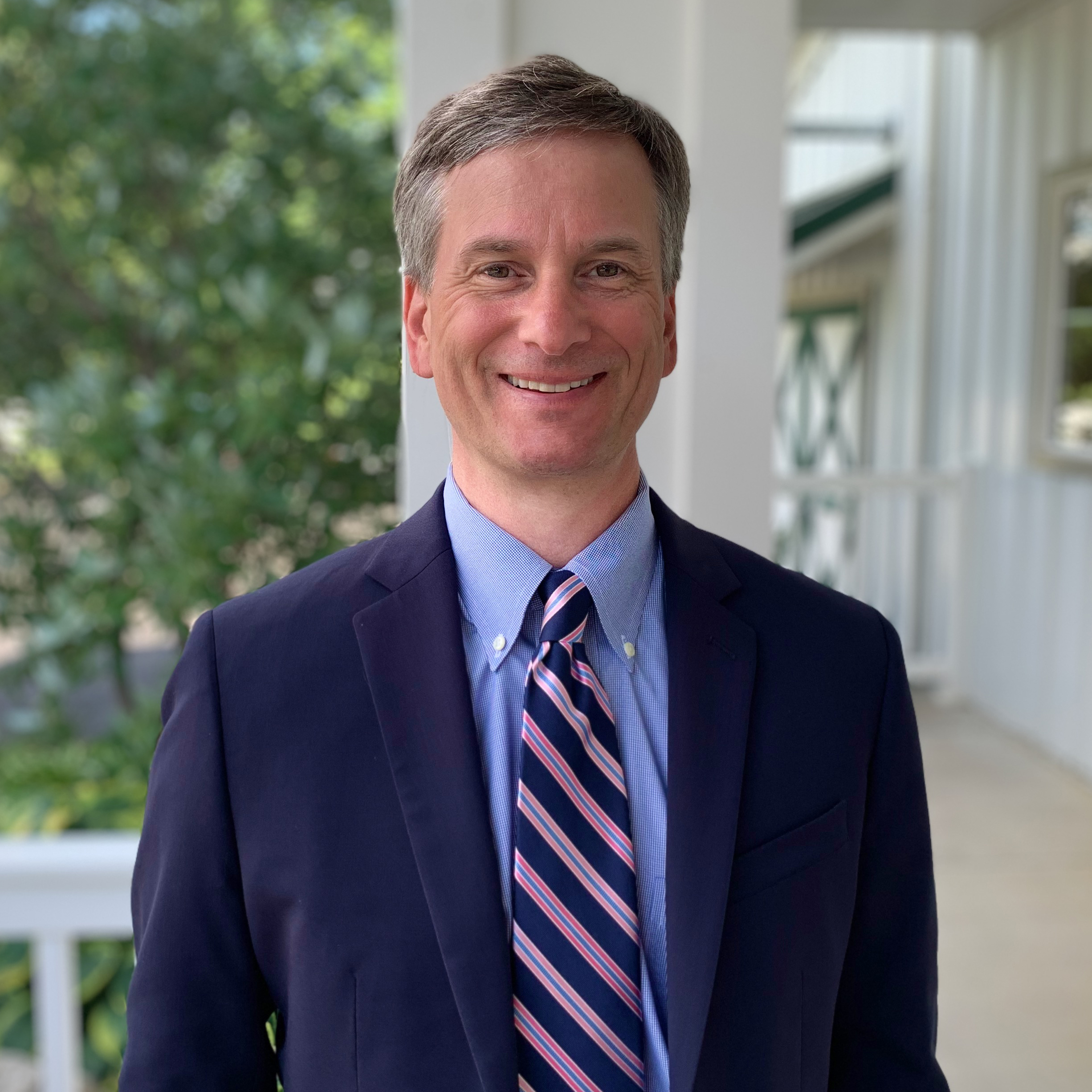 Joshua Wood, LPC joined Expat Exchange in 2000 and serves as one of its Co-Presidents. He is also one of the Founders of Digital Nomad Exchange. Prior to Expat Exchange, Joshua worked for NBC Cable (MSNBC and CNBC
Primetime). Joshua has a BA from Syracuse and a Master's in Clinical and Counseling Psychology from Fairleigh Dickinson University. Mr. Wood is also a licensed counselor and psychotherapist.
Joshua Wood, LPC joined Expat Exchange in 2000 and serves as one of its Co-Presidents. He is also one of the Founders of Digital Nomad Exchange. Prior to Expat Exchange, Joshua worked for NBC Cable (MSNBC and CNBC
Primetime). Joshua has a BA from Syracuse and a Master's in Clinical and Counseling Psychology from Fairleigh Dickinson University. Mr. Wood is also a licensed counselor and psychotherapist.
Some of Joshua's articles include Pros and Cons of Living in Portugal, 10 Best Places to Live in Ireland and Pros and Cons of Living in Uruguay. Connect with Joshua on LinkedIn.
Additional Information: