Educational System in Liechtenstein


Summary: The one tip that you hear expats living in Liechtenstein repeatedly sharing with newcomers is not to buy a home when you first move to Liechtenstein. Rent for a few months or longer so that you have time to find the right neighborhood. Give yourself time to ensure that Liechtenstein is right for you for the long term. If you've already taken time to do those things and are ready to take the plunge and become a property owner, here are tips about buying a home in Liechtenstein.
Welcome to Liechtenstein! Navigating a new educational system can be a challenge, but this guide is designed to help expats understand the structure, options, and processes involved in enrolling your children in school. Liechtenstein offers a range of educational opportunities, from public to private and bilingual schools, catering to diverse needs and backgrounds. Here's an overview to help you make informed decisions about your children's education.
What are the main stages of education in Liechtenstein and what are the names of those stages?
The educational system in Liechtenstein is divided into several main stages. The first stage is Kindergarten, which is optional and caters to children aged 2 to 4. Primary school, known as Primarschule, is compulsory and serves children aged 6 to 10. Following primary school, students attend lower secondary school, or Orientierungsschule, from ages 10 to 12. Upper secondary education, known as Oberschule, is for students aged 12 to 15 or 16, depending on the academic path chosen. Post-secondary education includes vocational training, higher education preparatory programs, and universities.
Kindergarten
Kindergarten in Liechtenstein is designed for children aged 2 to 4 and focuses on social, emotional, and early academic development. While not compulsory, it is highly recommended as it helps children integrate into the local community and prepares them for primary school.
Primarschule (Primary School)
Primary school is compulsory and caters to children aged 6 to 10. The curriculum focuses on basic subjects such as reading, writing, mathematics, and general knowledge. Students also begin learning a second language, typically English.
Orientierungsschule (Lower Secondary School)
Lower secondary school serves students aged 10 to 12 and builds on the foundational skills acquired in primary school. The curriculum includes more specialized subjects and continues language learning.
Oberschule (Upper Secondary School)
Upper secondary education is for students aged 12 to 15 or 16 and offers different academic paths, including vocational training and preparatory programs for higher education. The curriculum is tailored to the chosen path and includes more advanced subjects and electives.
How does a newcomer from a different country enroll their kids in school?
To enroll your children in a public school in Liechtenstein, you will need to register with the local school authorities. Required documents typically include a residence permit, proof of address, birth certificates, and previous school records. Contacting the local school administration or the Ministry of Education can provide specific guidance and necessary forms.
My children are still learning German, can they enroll in a public school?
Yes, children who are still learning German can enroll in public schools. Liechtenstein's educational system provides support for non-native speakers, including language integration programs. Schools often offer additional language classes to help students improve their German skills.
Are there public bilingual schools?
Liechtenstein does not have a widespread network of public bilingual schools. However, some schools offer bilingual programs or enhanced language instruction in English or other languages. These programs are designed to support students with diverse linguistic backgrounds. For specific bilingual options, it is advisable to contact individual schools or the Ministry of Education.
What types of private schools are common in Liechtenstein?
Private schools in Liechtenstein include international schools, bilingual schools, and schools with specific educational philosophies such as Montessori. often follow curricula from other countries and provide instruction in multiple languages. These schools cater to expat families and offer a more globally-oriented education.
Do expats typically send their children to public or private school?
The choice between public and private schools depends on individual preferences and circumstances. Many expats opt for public schools due to their high quality and accessibility. However, private schools, particularly international schools, are popular among expat families seeking a more global education or specific learning environments.
How expensive are Private schools in Liechtenstein?
Private schools in Liechtenstein can be expensive, with tuition fees varying widely depending on the school and the services offered. Fees can range from several thousand to tens of thousands of Swiss francs per year. It is essential to contact individual schools for specific fee structures and any available financial aid options.
Are you allowed to homeschool while living in Liechtenstein?
Homeschooling is not commonly practiced in Liechtenstein, and regulations surrounding it are strict. Compulsory education laws require children to attend recognized educational institutions. Exceptions may be granted under specific circumstances, but these are rare and subject to approval by local educational authorities.
May kids attend online school instead of a local school while living in Liechtenstein?
Online schooling options are limited and subject to the same compulsory education laws as traditional homeschooling. While some online programs may be available, they must be recognized by the educational authorities in Liechtenstein. It is advisable to consult with local school officials to understand the feasibility and requirements for online education.
About the Author
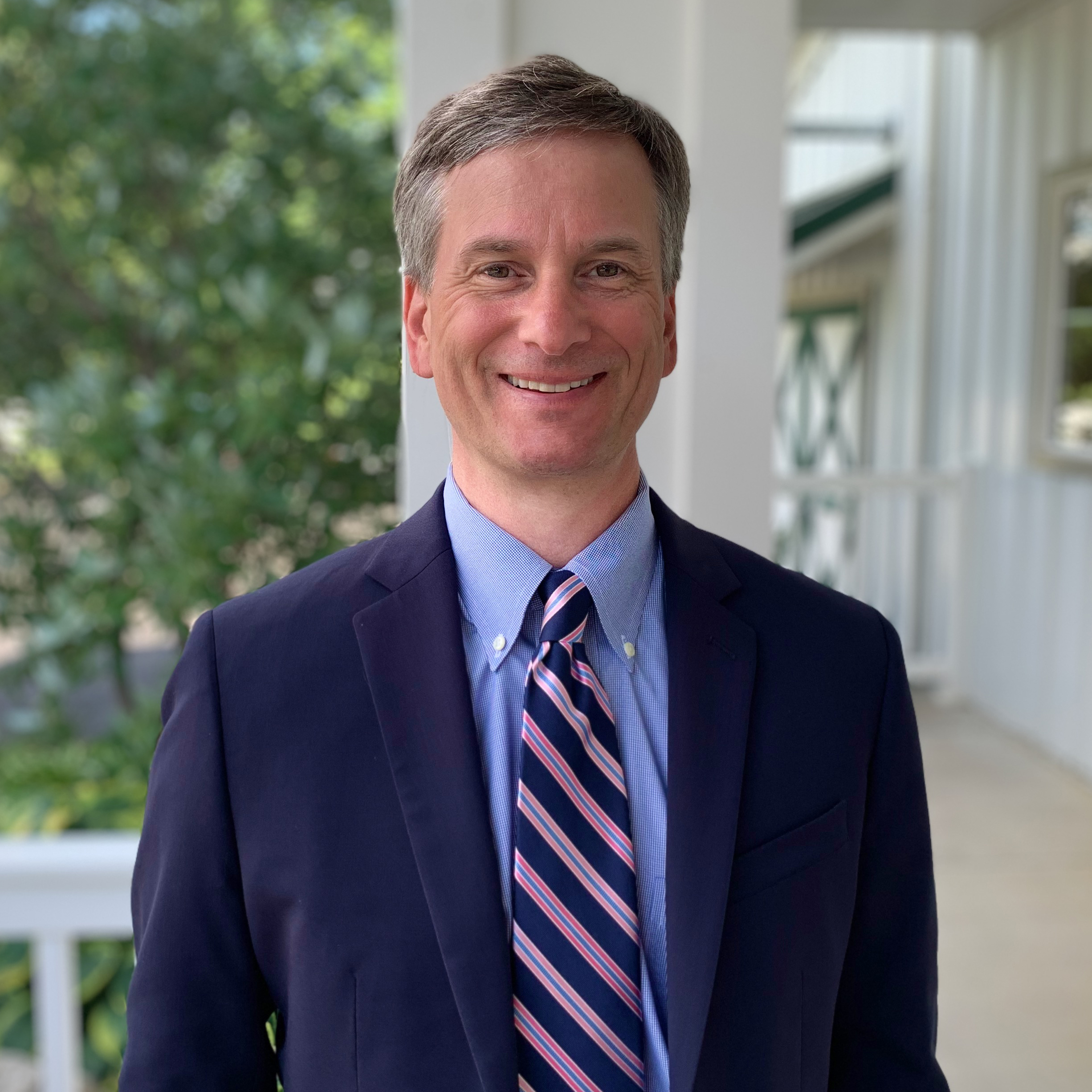 Joshua Wood, LPC joined Expat Exchange in 2000 and serves as one of its Co-Presidents. He is also one of the Founders of Digital Nomad Exchange. Prior to Expat Exchange, Joshua worked for NBC Cable (MSNBC and CNBC
Primetime). Joshua has a BA from Syracuse and a Master's in Clinical and Counseling Psychology from Fairleigh Dickinson University. Mr. Wood is also a licensed counselor and psychotherapist.
Joshua Wood, LPC joined Expat Exchange in 2000 and serves as one of its Co-Presidents. He is also one of the Founders of Digital Nomad Exchange. Prior to Expat Exchange, Joshua worked for NBC Cable (MSNBC and CNBC
Primetime). Joshua has a BA from Syracuse and a Master's in Clinical and Counseling Psychology from Fairleigh Dickinson University. Mr. Wood is also a licensed counselor and psychotherapist.
Some of Joshua's articles include Pros and Cons of Living in Portugal, 10 Best Places to Live in Ireland and Pros and Cons of Living in Uruguay. Connect with Joshua on LinkedIn.
Additional Information:
- Liechtenstein Guide
- Healthcare & Health Insurance in Liechtenstein
- Members Talk about Healthcare & Health Insurance in Liechtenstein
- Best Places to Live in Liechtenstein
- Guide to Real Estate in Liechtenstein
- Pros & Cons of Living in Liechtenstein
- Cost of Living in Liechtenstein
- Pros and Cons of Living in Liechtenstein 2026