
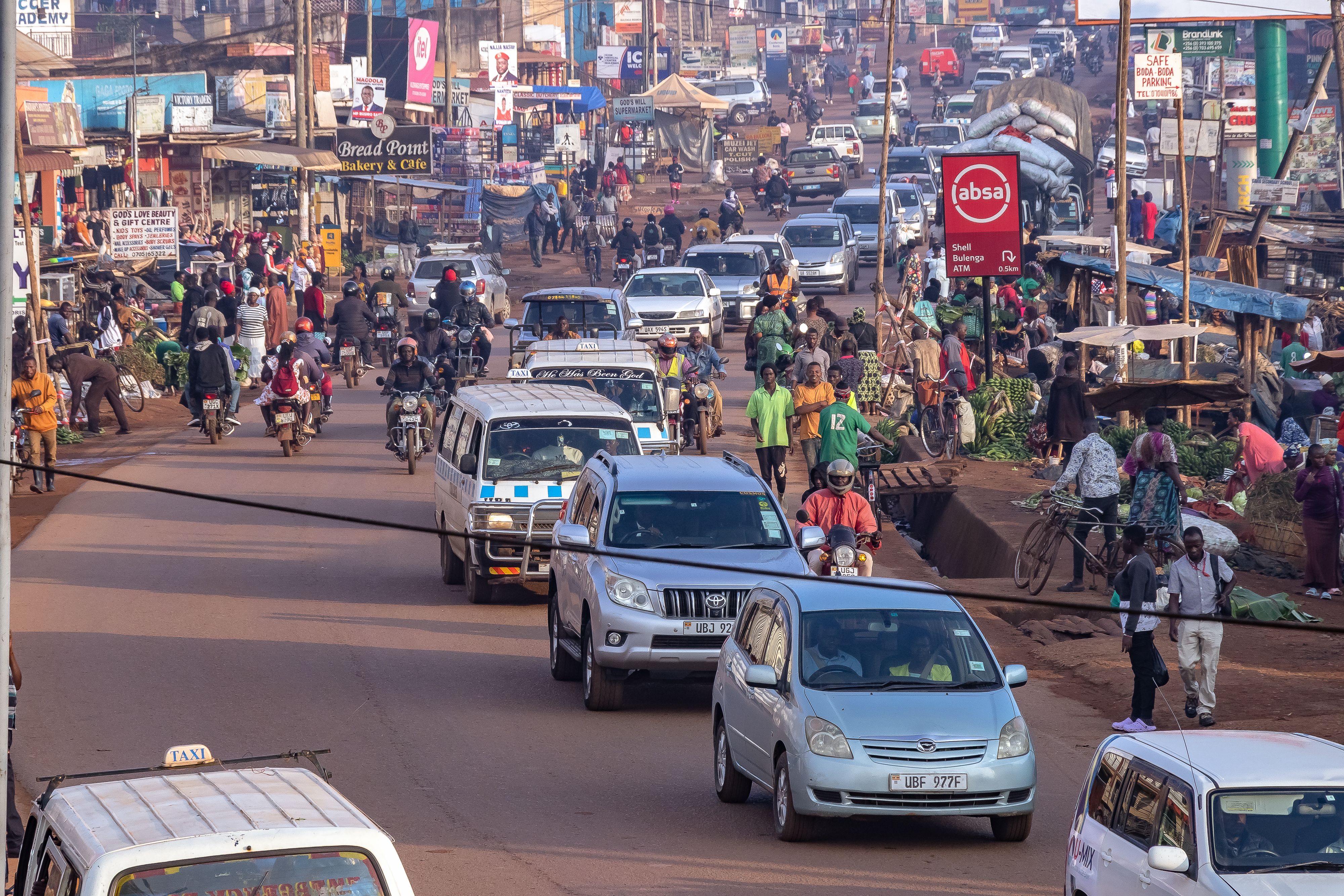


Living in Uganda
Last updated on Jan 04, 2025
Summary: People describe life in Uganda as vibrant and full of energy. Expats love the friendly people, the beautiful scenery, and the low cost of living. The average cost of living for an expat is around $1,000 per month. The population of Uganda is approximately 44 million people, and the largest cities are Kampala, Gulu, and Lira. The cons of living in Uganda include the lack of infrastructure, the high crime rate, and the prevalence of poverty. Additionally, the political situation in Uganda is often unstable, and there are frequent power outages.


What do I need to know about living in Uganda?
When we asked people what advice they would give someone preparing to move to Uganda, they said:
"Before retiring in Uganda, expats should research the cost of living in the area they plan to live in. They should also familiarize themselves with the local culture and customs, as well as the language. It is important to understand the healthcare system and to make sure that they have access to quality medical care. Additionally, expats should research the local job market and the availability of recreational activities. Finally, they should make sure to obtain the necessary visas and permits to live and work in Uganda," wrote one member in Uganda.
 AGS Worldwide Movers
Get Quote
Relocating abroad soon? Make your move with AGS! AGS Worldwide Movers is a leader in the international moving industry. Our experience and expertise allows us to guarantee our clients the best quality moving services.
AGS Worldwide MoversRelocating abroad soon? Make your move with AGS! AGS Worldwide Movers is a leader in the international moving industry. Our experience and expertise allows us to guarantee our clients the best quality moving services.
Get Quote
How do I meet people in Uganda?
When we asked people living in Uganda about club and activities where newcomers can meet others, they responded:
"Expats in Uganda often join clubs and activities such as golf, tennis, and running. Expats can also join book clubs, language classes, and other social activities. Additionally, expats can meet people by attending local events such as festivals, concerts, and art exhibitions. Expats can also meet people by attending church services, volunteering, or joining a local gym. Finally, expats can meet people by networking with other expats or locals through online forums and social media," said one expat in Uganda.

Relocating abroad soon? Make your move with AGS! AGS Worldwide Movers is a leader in the international moving industry. Our experience and expertise allows us to guarantee our clients the best quality moving services.
Relocating abroad soon? Make your move with AGS! AGS Worldwide Movers is a leader in the international moving industry. Our experience and expertise allows us to guarantee our clients the best quality moving services.
What is life like in Uganda?
When we asked people living in Uganda what life is like and how people spend their time, they said:
"Life for expats and digital nomads in Uganda is generally quite pleasant. The country is known for its friendly people, beautiful landscapes, and vibrant culture. Expats and digital nomads can find a variety of activities to enjoy, from exploring the national parks to visiting the many markets and restaurants. The cost of living is relatively low, making it an attractive destination for those looking to stretch their budget. The country also offers a variety of accommodation options, from luxury hotels to budget-friendly hostels. Expats and digital nomads can also take advantage of the country's excellent internet infrastructure, making it easy to stay connected while living in Uganda," remarked one expat living in Uganda.

Never worry about paying your medical bills out of pocket again. The innovative PassportCard allows for a stress-free experience for all expat families, remote travelers, and workers. With a 24/7 customer service and an outstanding customer base of over 2 Million clients, it will feel like medical care at home. Get up to 10% off on your policy now.
Never worry about paying your medical bills out of pocket again. The innovative PassportCard allows for a stress-free experience for all expat families, remote travelers, and workers. With a 24/7 customer service and an outstanding customer base of over 2 Million clients, it will feel like medical care at home. Get up to 10% off on your policy now.
Is there a lot of crime in Uganda?
We asked people if there is a lot of crime. They answered:
"Uganda has seen an increase in crime in recent years, with reports of theft, robbery, and violent crime on the rise. The country has also seen an increase in organized crime, such as drug trafficking and human trafficking. In addition, there have been reports of corruption and bribery in the government and police force. Despite these issues, the government has taken steps to address the problem, such as increasing police presence and introducing tougher laws," wrote a member in Uganda.
Is there a lot of diversity? Are people in Uganda accepting of differences?
"Uganda is a diverse country with a population made up of many different ethnic groups. People in Uganda are generally accepting of differences and celebrate the diversity of their culture. There is a strong sense of community and people are encouraged to embrace their differences and work together to create a better society," said one expat in Uganda.
AGS Worldwide MoversGet Quote
Relocating abroad soon? Make your move with AGS! AGS Worldwide Movers is a leader in the international moving industry. Our experience and expertise allows us to guarantee our clients the best quality moving services.
AGS Worldwide MoversRelocating abroad soon? Make your move with AGS! AGS Worldwide Movers is a leader in the international moving industry. Our experience and expertise allows us to guarantee our clients the best quality moving services.
Get Quote
What are the schools in Uganda like?
"King's Int. has small classes (max 15 I believe, but often smaller (my son had only 8 kids in the class) which provide a safe and successful learning environment for your child. The school is located in Muyenga and is a great choice for families living in that part of Kampala," wrote an expat with kids at King's International School in Kampala.
Is the cost of living in Uganda high?
We asked people how much they someone comfortably live on in Uganda, they wrote:
"The cost of living in Uganda is generally considered to be quite affordable. Basic necessities such as food, transportation, and housing are relatively inexpensive compared to other countries. Prices for consumer goods and services are also lower than in many other countries. However, the cost of living can vary significantly depending on the city or region. For example, living in the capital city of Kampala is more expensive than living in rural areas," said one expat in Uganda.
"The cost of living in Uganda is generally considered to be quite affordable. The capital city of Kampala is the most expensive place to live in the country, with prices for goods and services being higher than in other parts of the country. The rental price for a nice 1 bedroom apartment in Kampala is around $400 USD per month, while a nice 2 bedroom apartment can cost up to $600 USD per month. Eating dinner at a moderately priced restaurant in Kampala can cost around $10 USD per person," said an expat in Uganda.
What type of recreational facilities are in Uganda?
When we asked people living in Uganda about recreational activities, they mentioned:
"In Uganda, residents enjoy a variety of recreational facilities, such as parks, beaches, and sports fields. Parks are a popular destination for picnics, barbecues, and outdoor activities. Beaches provide a great spot for swimming, sunbathing, and fishing. Sports fields are available for a variety of activities, including soccer, basketball, and volleyball. Other recreational facilities include movie theaters, bowling alleys, and amusement parks. Residents also enjoy exploring the many national parks and game reserves in the country," said one expat.
What is the weather like in Uganda?
"The climate in Uganda is generally tropical with two rainy seasons. The long rainy season runs from March to May and the short rainy season runs from October to November. The rest of the year is generally dry and sunny. Temperatures in Uganda are generally warm throughout the year, with average highs ranging from 25 to 30 degrees Celsius," said one expat living in Uganda.
Are there good restaurants in Uganda?
"One of Uganda's most popular restaurants is The Kampala Serena Hotel, located in the heart of the capital city. The restaurant offers a wide variety of international and local dishes, as well as a selection of fine wines and spirits. The restaurant also features a terrace overlooking the city, making it a great spot for a romantic dinner. Another popular restaurant in Uganda is The Nile Terrace, located in the city of Jinja. The restaurant serves a variety of traditional Ugandan dishes, as well as international cuisine. The restaurant also offers a selection of wines and spirits, and a terrace overlooking the Nile River. Finally, The Bistro at the Sheraton Kampala Hotel is a popular spot for locals and tourists alike. The restaurant serves a variety of international and local dishes, as well as a selection of fine wines and spirits. The restaurant also features a terrace overlooking the city, making it a great spot for a romantic dinner," mentioned one expat inUganda.
Where will I buy groceries and do other shopping in Uganda?
"People living in Uganda typically buy groceries and do other shopping at local markets, supermarkets, and convenience stores. Many people also shop at roadside stalls and kiosks, which are common throughout the country. Additionally, some people may purchase items from door-to-door vendors or from vendors at local festivals and events," mentioned one expat inUganda.
What are the visa & residency requirements in Uganda?
"To enter Uganda, visitors must obtain a visa from a Ugandan embassy or consulate prior to arrival. The process of applying for a visa involves submitting a completed application form, a valid passport, two passport-sized photographs, and the applicable visa fee. Depending on the purpose of the visit, additional documents may be required. To apply for residency in Uganda, applicants must submit a completed application form, a valid passport, two passport-sized photographs, and the applicable fee. In addition, applicants must provide proof of employment, proof of financial stability, and a letter of recommendation from a Ugandan citizen. Once the application is approved, the applicant will be issued a residence permit," remarked one expat in Uganda.
Are healthcare and health insurance expensive in Uganda?
"Healthcare and health insurance in Uganda can be expensive, especially for those who are not covered by a government-sponsored health insurance plan. Private health insurance plans are available, but they can be costly and may not cover all medical expenses. Additionally, many healthcare facilities in Uganda are not well-equipped and may not provide the best quality of care. Furthermore, the cost of medications and treatments can be high, making it difficult for many people to access the care they need," mentioned one expat inUganda.
Relocating abroad soon? Make your move with AGS! AGS Worldwide Movers is a leader in the international moving industry. Our experience and expertise allows us to guarantee our clients the best quality moving services.
Relocating abroad soon? Make your move with AGS! AGS Worldwide Movers is a leader in the international moving industry. Our experience and expertise allows us to guarantee our clients the best quality moving services.
About the Author
 Joshua Wood, LPC joined Expat Exchange in 2000 and serves as one of its Co-Presidents. He is also one of the Founders of Digital Nomad Exchange. Prior to Expat Exchange, Joshua worked for NBC Cable (MSNBC and CNBC
Primetime). Joshua has a BA from Syracuse and a Master's in Clinical and Counseling Psychology from Fairleigh Dickinson University. Mr. Wood is also a licensed counselor and psychotherapist.
Joshua Wood, LPC joined Expat Exchange in 2000 and serves as one of its Co-Presidents. He is also one of the Founders of Digital Nomad Exchange. Prior to Expat Exchange, Joshua worked for NBC Cable (MSNBC and CNBC
Primetime). Joshua has a BA from Syracuse and a Master's in Clinical and Counseling Psychology from Fairleigh Dickinson University. Mr. Wood is also a licensed counselor and psychotherapist.
Some of Joshua's articles include Pros and Cons of Living in Portugal, 10 Best Places to Live in Ireland and Pros and Cons of Living in Uruguay. Connect with Joshua on LinkedIn.
Other Questions:
- What do I need to know before moving to Uganda?
- How do I find a place to live in Uganda?
- What is a typical expat home or apartment like in Uganda?
- What is the average cost of housing in Uganda?
- Should I buy or rent a home in Uganda?
- What should I pack when moving to Uganda?
- What cultural faux pas should I try to avoid making in Uganda?
- Why do people move to Uganda?
- How are healthcare services in Uganda?
- What are medical services in Uganda like?
- What are typical rents in Uganda?
- What appliances are typically included in a rental?