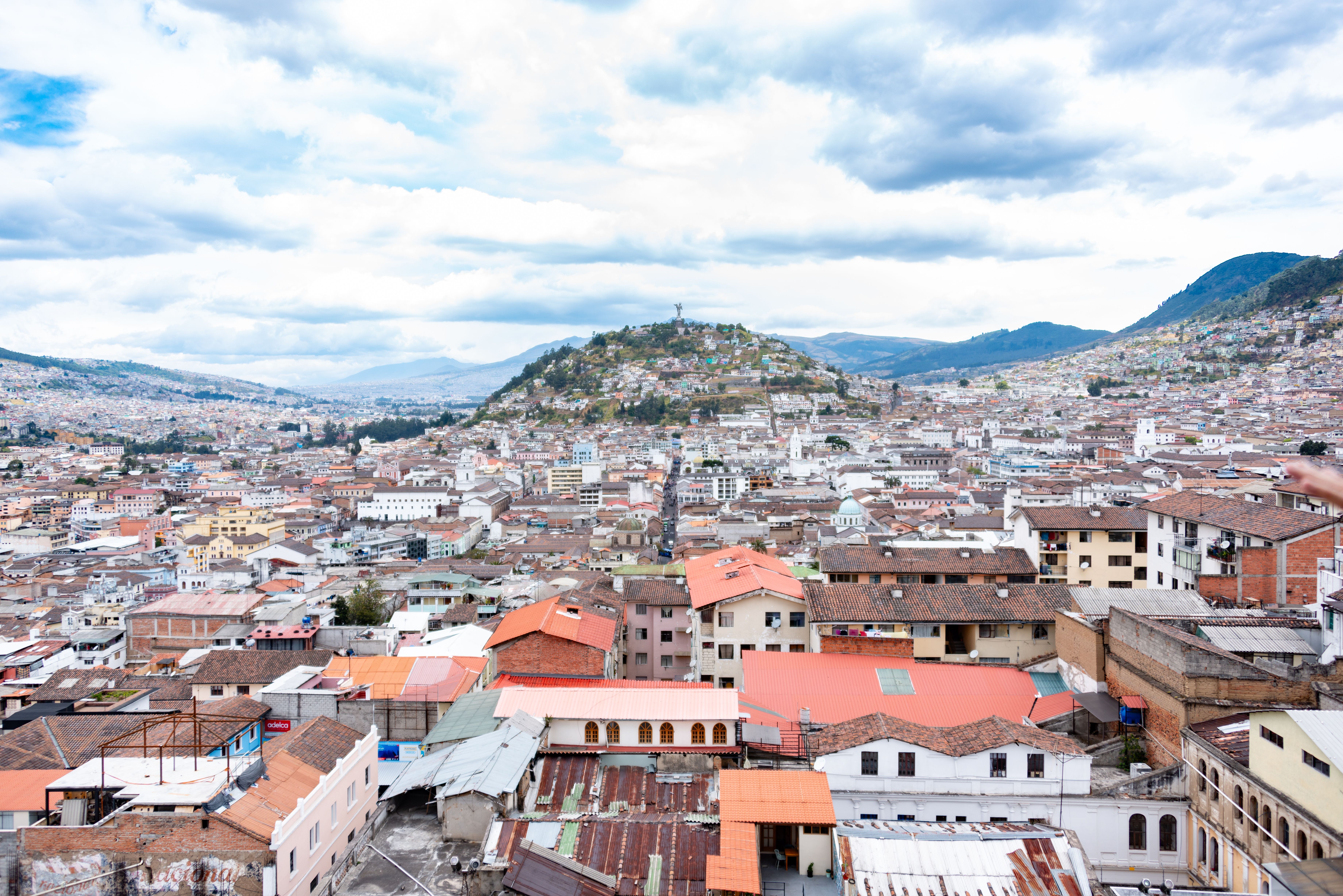
Pros and Cons of Living in Ecuador


Summary: If you're moving to Ecuador, it's important to learn about both the Pros AND Cons of living in Ecuador.
Imagine trading in the hustle and bustle of your current life for the vibrant tapestry of Ecuador. Nestled in the heart of South America, this compact yet diverse country offers a unique blend of cultures, climates, and experiences. But what is it really like to live there? Before you pack your bags, let's explore the pros and cons of calling Ecuador home.
Pros of Living in Ecuador
Ecuador, with its rich history and breathtaking landscapes, presents an array of advantages for those considering a move. Let's delve into some of the most compelling reasons why expats choose to live in this enchanting country.
Cost of Living: Ecuador is renowned for its low cost of living, making it an attractive option for retirees and digital nomads alike. In cities like Cuenca and Quito, you can enjoy a comfortable lifestyle without breaking the bank. A typical meal at a local restaurant might only set you back a few dollars, and housing options are surprisingly affordable. For instance, a modern two-bedroom apartment in Cuenca can be rented for around $300 per month. This financial advantage allows many expats to enjoy a higher quality of life than they might have in their home countries.
Climate and Biodiversity: Ecuador's diverse climate zones offer something for everyone. From the tropical beaches of the coast to the cool Andean highlands, you can choose your preferred weather. The country's biodiversity is staggering, with the Amazon rainforest, the Galapagos Islands, and the Andean cloud forests all within its borders. Anecdotally, many expats cite the ability to experience different climates within a single day as a unique and thrilling aspect of life in Ecuador. For example, you could start your day with a morning hike in the cool mountains and end it with a sunset walk on a warm coastal beach.
Cultural Richness: Ecuador boasts a vibrant cultural scene that blends indigenous traditions with Spanish colonial influences. Festivals, markets, and traditional crafts are just a few ways to immerse yourself in the local culture. The country's capital, Quito, is a UNESCO World Heritage site known for its well-preserved colonial architecture. Living in Ecuador means having the opportunity to participate in events like the Inti Raymi festival, which celebrates the Inca sun god, or visiting the Otavalo market, famous for its textiles and handicrafts.
Healthcare: Ecuador offers high-quality healthcare at a fraction of the cost compared to many other countries. Both public and private healthcare systems are available, with private clinics often providing excellent care. Many expats report positive experiences with the healthcare system, citing attentive medical staff and modern facilities. For example, a routine doctor's visit in Quito might cost around $30, and prescription medications are generally affordable.
Friendly People: Ecuadorians are known for their warmth and hospitality. Integrating into the local community can be a rewarding experience, as many locals are eager to share their culture and traditions with newcomers. Expats often find that making friends and feeling at home in Ecuador happens quite naturally. Whether it's through language exchange programs, local sports clubs, or simply chatting with neighbors, the social fabric of Ecuador is welcoming and inclusive.
Cons of Living in Ecuador
While Ecuador has many alluring features, it's essential to consider the challenges that come with living in this South American country. Here are some of the potential drawbacks that expats may encounter.
Language Barrier: Spanish is the primary language spoken in Ecuador, and while English is becoming more prevalent, especially in tourist areas, a lack of Spanish proficiency can be a significant barrier. Navigating daily life, from shopping at markets to dealing with government offices, can be challenging without a good grasp of the language. Many expats find that enrolling in Spanish classes or hiring a tutor is essential to fully integrate into the community.
Bureaucracy and Red Tape: Dealing with bureaucracy in Ecuador can be frustrating and time-consuming. The process of obtaining residency, buying property, or starting a business often involves navigating complex and sometimes confusing regulations. Expats frequently report long wait times and the need for multiple visits to government offices to complete simple tasks. For example, getting a driver's license or setting up utilities can be a lengthy and complicated process.
Safety and Security: While Ecuador has made strides in improving safety, crime remains a concern in certain areas. Petty theft and pickpocketing are common, especially in tourist hotspots. Additionally, some regions may face higher levels of violent crime. Expats should exercise caution, particularly in larger cities like Guayaquil and Quito. Taking basic safety precautions, such as avoiding isolated areas at night and keeping valuables secure, is crucial.
Infrastructure Challenges: The quality of infrastructure in Ecuador can vary significantly. While major cities have seen improvements, rural areas may still struggle with issues like unreliable electricity, poor road conditions, and limited access to clean water. Public transportation can also be inconsistent, with buses and taxis not always meeting Western standards. For example, power outages and internet connectivity issues are not uncommon in some parts of the country.
Altitude Sickness: For those living in the Andean region, altitude sickness can be a real concern. Cities like Quito are located at high elevations, and it can take time to adjust to the thin air. Symptoms of altitude sickness include headaches, fatigue, and shortness of breath. While most people acclimatize within a few days, some may experience prolonged discomfort. It's important to take it easy during the initial adjustment period and consult a doctor if symptoms persist.
Political Instability: Ecuador has a history of political instability, which can sometimes lead to social unrest and protests. While the country has seen periods of relative calm, political tensions can flare up unexpectedly. Expats should stay informed about the current political climate and be prepared to adapt to changing circumstances. For instance, strikes and demonstrations can occasionally disrupt daily life and transportation.
Living in Ecuador offers a unique blend of advantages and challenges. From the low and rich cultural experiences to the language barriers and bureaucratic hurdles, it's a country that demands adaptability and resilience. Whether it's the right choice for you depends on your personal preferences and willingness to embrace the vibrant, sometimes chaotic, life that Ecuador offers. For many expats, the rewards far outweigh the difficulties, making Ecuador a truly special place to call home.
Expats Talk about Pros & Cons of Living in Ecuador
"Yes, it rains a bit, but if you have ever traveled to San Francisco, Amsterdam, London, Vancouver, you just keeping walking through it. The sun will dry you 10 minutes later. It definitely rains more today than 11 years ago. The only concession to Climate Change that Cuenca has made. But, there is greener grass and more flowers too. This new weather all started about 8 years ago. I find the weather wonderful! We have had enough beach living to make us tired and bored of it. ," commented one member living in Cuenca, Ecuador.
"I've been here five years and for a while, I had a PO box in Otavalo but only ever received one letter, I had a package sent (a GPS Unit) from Western Canada that was sent via Canada Post to what is basically General Delivery, Cotatachi. It did arrive, by a miracle, six months to the day after it was sent. I only found out about it because I went to the post office to ask another question and they said there was a package. During the pandemic, both the Cotacachi and Otavalo post offices closed their doors. The one in Cotacachi is now a very nice coffee shop. In Otavalo I think it's just locked up. I had some documents that needed to be sent, signed and sent back north and did it all via DHL.! $125 CAD to send the envelope here and $65US to send it on. But it works. Other than municipalities there are no house or street addresses. Where we live it is virtually impossible to describe our location for deliveries, so I tell whatever entity is sending to send it to their local office and I go to pick it up. That works great. Be sure to include your local (cell) number as part of the address so they can phone you to let you know that it has arrived. We're currently waiting for my Ecuadorian wife's passport to be returned from the US Embassy with her US visitor's visa installed and I assume they will send it to the DHL office in Otavalo where we will pick it up. It's not an efficient work-around but it is better than the pony express, marginally," mentioned one expat living in Ecuador.
"My wife loves Catamayo and would move there in a nano-second if we did not have family, property, and obligations here. Catamayo is warmer and dryer than Loja, Vilcabamba, or Malacatos ( although the latter two are a bit sunnier than Loja ) and all of the above are less damp and rainy than Cuenca. Catamayo is only about a 35-minute bus ride into Loja, so you can get your big city amenity fix or simply go shopping - Prices in Loja are much better than in Quito, Cuenca, or Guayaquil ! Also, because there aren't a ton of gringos living in Catamayo - unlike Vilca - the real estate prices are considerably lower. Go and explore for yourself then decide. There are several nice hotels with very reasonable prices that you can stay in and use for a "home base" as you explore the entire Loja area," said an expat in Ecuador.
"We love the climate in Valle de los Chillos. Lots of walking and ecotourism opportunities for us. We enjoy the view of snow capped Cotopaxi over coffee on our flower laden terrace in the mornings. Trips to local thermal baths (think swimming pool but nice and warm) are also favorites. We do not live close to expat haunts but have integrated rapidly into our community because of that," remarked one member living in Ecuador.
About the Author
 Betsy Burlingame is the Founder and President of Expat Exchange and is one of the Founders of Digital Nomad Exchange. She launched Expat Exchange in 1997 as her Master's thesis project at NYU. Prior to Expat Exchange, Betsy worked at AT&T in International
and Mass Market Marketing. She graduated from Ohio Wesleyan University
with a BA in International Business and German.
Betsy Burlingame is the Founder and President of Expat Exchange and is one of the Founders of Digital Nomad Exchange. She launched Expat Exchange in 1997 as her Master's thesis project at NYU. Prior to Expat Exchange, Betsy worked at AT&T in International
and Mass Market Marketing. She graduated from Ohio Wesleyan University
with a BA in International Business and German.
Some of Betsy's articles include 12 Best Places to Live in Portugal, 7 Best Places to Live in Panama and 12 Things to Know Before Moving to the Dominican Republic. Betsy loves to travel and spend time with her family. Connect with Betsy on LinkedIn.
Additional Information:
- Ecuador Guide
- Healthcare & Health Insurance in Ecuador
- Members Talk about Healthcare & Health Insurance in Ecuador
- Best Places to Live in Ecuador
- Real Estate in Ecuador
- Guide to Real Estate in Ecuador
- Pros & Cons of Living in Ecuador
- Cost of Living in Ecuador
- Insider's Guide to the Health System in Ecuador
- Guide to Residency in Ecuador
- 14 Things to Know Before Moving to Ecuador
- Pros and Cons of Living in Ecuador
- 2026 Guide to Living in Ecuador
- Pros and Cons of Living in Ecuador 2026
- 2026 Guide to Moving to Ecuador