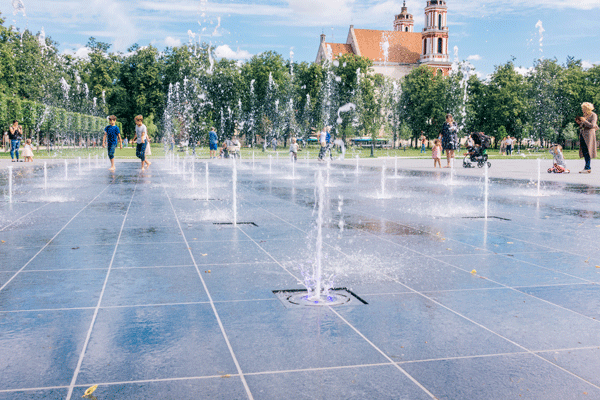
How to Buy a Home in Lithuania


Summary: Real Estate Lithuania, Homes for Sale in Lithuania The one tip that you hear expats living in Lithuania repeatedly sharing with newcomers is not to buy a home when you first move to Lithuania. Rent for a few months or longer so that you have time to find the right neighborhood. Give yourself time to ensure that Lithuania is right for you for the long term. If you've already taken time to do those things and are ready to take the plunge and become a property owner, here are tips about buying a home in Lithuania. Seasoned expatriates recommend a cautious approach to newcomers eager to settle down�avoid the rush to purchase property upon arrival. Instead, consider the benefits of renting in Lithuania during your initial months. This strategy allows you the flexibility to explore various neighborhoods and truly decide if the local lifestyle aligns with your long-term expectations. Once you've acclimated and are certain that Lithuania is your future home, here are tips on how to buy a home in Lithuania.
Buying a home in Lithuania as an expat can be an exciting prospect, offering a unique blend of European charm, rich history, and modern amenities. However, navigating the property market in a foreign country can be challenging. This guide aims to provide a comprehensive overview of the home-buying process in Lithuania, helping expats understand the key topics and potential pitfalls involved.
How Do I Find Houses for Sale in Lithuania?
Finding houses for sale in Lithuania typically involves searching online property portals, engaging with real estate agencies, or browsing local newspapers. Websites like aruodas.lt and domo.lt are popular platforms where you can find a wide range of properties listed. Real estate agencies can provide personalized service and local market insights. Additionally, networking and word-of-mouth can sometimes uncover hidden gems in the property market.
Are There Restrictions on Foreigners Owning Property in Lithuania?
Lithuania generally welcomes foreign investment in real estate, but there are some restrictions. Foreigners are allowed to buy residential and commercial properties without significant limitations. However, purchasing agricultural or forest land may require special permits or residency qualifications. EU citizens face fewer restrictions compared to non-EU citizens. It's advisable to consult with a legal professional to understand the specific regulations that apply to your situation.
Does Lithuania Have an MLS Type System?
Lithuania does not have a centralized Multiple Listing Service (MLS) like the one in the United States. Instead, property listings are dispersed across various online platforms and real estate agencies. This decentralization means that buyers often need to consult multiple sources to get a comprehensive view of the market. Working with a real estate agent can simplify this process, as they have access to a broader range of listings.
Do Brokers Have Licenses and How Do I Know If They Are Licensed?
Real estate brokers in Lithuania are required to be licensed and registered with the State Enterprise Centre of Registers. To verify if a broker is licensed, you can check the official register or request to see their license. Licensed brokers are regulated and must adhere to professional standards, ensuring a higher level of service and protection for buyers. Engaging with a licensed broker is crucial for a smooth and secure transaction.
What Documents Are Required When Buying a Home?
When buying a home in Lithuania, several documents are typically required. These include a valid passport, residency permit (if applicable), proof of funds, and a preliminary agreement of sale. Additionally, you will need a notarized sales contract, a certificate of ownership from the Real Estate Register, and a land register extract. Ensure all documents are translated into Lithuanian if they are in another language, and have them notarized as needed.
Do I Need a Lawyer When Buying a Home in Lithuania?
While it is not legally required to hire a lawyer when buying a home in Lithuania, it is highly recommended. A lawyer can help navigate the legal complexities, review contracts, and ensure all necessary documents are in order. They can also assist with understanding any restrictions or regulations that apply to foreign buyers. The cost of hiring a lawyer varies, but it typically ranges from a few hundred to a few thousand euros, depending on the complexity of the transaction.
Do People Typically Buy a Property with All Cash or Take Out a Mortgage?
In Lithuania, both cash purchases and mortgage financing are common. Foreign buyers often opt for cash purchases to simplify the process, but mortgages are available from local banks. Non-residents may face stricter lending criteria and higher interest rates compared to residents. Consulting with a financial advisor or a mortgage broker can help you understand the options and requirements for financing a property purchase.
Are There Inspections That Take Place, and If So, What Is That Process Like?
Property inspections are not mandatory in Lithuania, but they are highly recommended. Buyers can hire a professional inspector to assess the condition of the property, identify any defects, and provide a report. The inspection process typically involves a thorough examination of the property's structure, systems, and overall condition. It is the buyer's responsibility to arrange and pay for the inspection, which can help avoid unexpected costs and issues after the purchase.
What Are Some of the Pitfalls to Avoid When Buying Property in Lithuania?
Some common pitfalls to avoid when buying property in Lithuania include not conducting thorough due diligence, failing to understand the legal requirements, and overlooking necessary inspections. Additionally, be cautious of unlicensed brokers, hidden fees, and potential language barriers. It's crucial to work with reputable professionals, seek legal advice, and ensure all documents are properly reviewed and translated. Taking these precautions can help mitigate risks and ensure a successful property purchase.
About the Author
 Joshua Wood, LPC joined Expat Exchange in 2000 and serves as one of its Co-Presidents. He is also one of the Founders of Digital Nomad Exchange. Prior to Expat Exchange, Joshua worked for NBC Cable (MSNBC and CNBC
Primetime). Joshua has a BA from Syracuse and a Master's in Clinical and Counseling Psychology from Fairleigh Dickinson University. Mr. Wood is also a licensed counselor and psychotherapist.
Joshua Wood, LPC joined Expat Exchange in 2000 and serves as one of its Co-Presidents. He is also one of the Founders of Digital Nomad Exchange. Prior to Expat Exchange, Joshua worked for NBC Cable (MSNBC and CNBC
Primetime). Joshua has a BA from Syracuse and a Master's in Clinical and Counseling Psychology from Fairleigh Dickinson University. Mr. Wood is also a licensed counselor and psychotherapist.
Some of Joshua's articles include Pros and Cons of Living in Portugal, 10 Best Places to Live in Ireland and Pros and Cons of Living in Uruguay. Connect with Joshua on LinkedIn.
Additional Information:
- Lithuania Guide
- Healthcare & Health Insurance in Lithuania
- Members Talk about Healthcare & Health Insurance in Lithuania
- Best Places to Live in Lithuania
- Real Estate in Lithuania
- Guide to Real Estate in Lithuania
- Pros & Cons of Living in Lithuania
- Cost of Living in Lithuania
- Having a Baby in Lithuania
- Health Insurance in Lithuania
- Best Places to Visit in Lithuania for Christmas Cheer
- Christmas in Lithuania
- Pros and Cons of Living in Lithuania 2026