How to Buy a Home in Turkey


Summary: Real Estate Turkey, Homes for Sale in Turkey The one tip that you hear expats living in Turkey repeatedly sharing with newcomers is not to buy a home when you first move to Turkey. Rent for a few months or longer so that you have time to find the right neighborhood. Give yourself time to ensure that Turkey is right for you for the long term. If you've already taken time to do those things and are ready to take the plunge and become a property owner, here are tips about buying a home in Turkey. Seasoned expatriates recommend a cautious approach to newcomers eager to settle down�avoid the rush to purchase property upon arrival. Instead, consider the benefits of renting in Turkey during your initial months. This strategy allows you the flexibility to explore various neighborhoods and truly decide if the local lifestyle aligns with your long-term expectations. Once you've acclimated and are certain that Turkey is your future home, here are tips on how to buy a home in Turkey.
Moving to a new country is an exciting adventure, and buying a home in Turkey can be a significant part of that journey. Turkey, with its rich history, vibrant culture, and stunning landscapes, offers a wealth of opportunities for expats seeking to purchase property. However, navigating the real estate market in a foreign country can be complex. This guide aims to provide a comprehensive overview of the process, ensuring that expats are well-informed before making a purchasing decision.
How do I find houses for sale in Turkey?
Finding houses for sale in Turkey can be done through various methods. Online property portals, real estate agencies, and local newspapers are excellent starting points. Additionally, networking with locals and other expats can provide valuable insights into available properties. Some popular cities among expats include Istanbul, Antalya, and Bodrum, each offering unique lifestyles and types of properties.
Are there restrictions on foreigners owning property in Turkey?
Yes, there are some restrictions on foreigners owning property in Turkey. Foreign nationals can buy property in Turkey, except in military zones and areas designated as security zones. Additionally, foreigners from certain countries may face specific restrictions due to reciprocity agreements. To navigate these restrictions legally, it is advisable to consult with a knowledgeable real estate agent or a lawyer who can provide guidance based on your specific nationality and the property's location.
Does Turkey have an MLS type system?
Turkey does not have a centralized Multiple Listing Service (MLS) system like the one used in the United States. Instead, real estate listings are managed by individual agencies and online property portals. This means that buyers may need to browse multiple platforms and engage with various agencies to find their ideal property. Working with a reputable real estate agent can help streamline this process.
Do brokers have licenses and how do I know if they are licensed?
Yes, real estate brokers in Turkey are required to have licenses issued by the Turkish government. To verify if a broker is licensed, you can ask to see their license or check with the local Chamber of Real Estate Agents. Licensed brokers are regulated and must adhere to specific standards, providing a level of protection for buyers. It is crucial to work with a licensed broker to ensure a smooth and secure transaction.
What documents are required when buying a home?
When buying a home in Turkey, several documents are required. These typically include a valid passport, a Turkish tax identification number, a residence permit (if applicable), and proof of funds. Additionally, the property's title deed (Tapu) must be verified, and a notarized translation of the passport may be needed. The specific documents required can vary, so it is essential to consult with a real estate professional or a lawyer to ensure all necessary paperwork is in order.
Do I need a lawyer when buying a home in Turkey?
While it is not legally required to hire a lawyer when buying a home in Turkey, it is highly recommended. A lawyer can provide valuable assistance with legal procedures, contract reviews, and title deed checks. They can also help with the application for military clearance if the property is located in a restricted area. The cost of hiring a lawyer can vary, but it is generally a small percentage of the property's value, typically ranging from 1% to 3%.
Do people typically buy a property with all cash or take out a mortgage?
In Turkey, both cash purchases and mortgages are common among property buyers. Mortgages are available to foreigners, with Turkish banks offering loans with varying interest rates and terms. The loan amount and conditions may depend on the buyer's financial status and the property's value. Cash purchases, however, can sometimes result in a lower property price, as sellers may offer discounts for immediate payment.
Are there inspections that take place, and if so what is that process like?
Property inspections in Turkey are not as standardized as in some other countries, but they are still important. Buyers can hire independent inspectors to assess the property's condition, including structural integrity, electrical systems, and plumbing. The inspection process typically involves a visual examination and a written report outlining any issues or repairs needed. It is advisable to conduct an inspection before finalizing the purchase to avoid unexpected costs.
What are some of the pitfalls to avoid when buying property in Turkey?
When buying property in Turkey, it is essential to be aware of potential pitfalls. These can include purchasing property without proper title deeds, falling victim to scams, or overlooking necessary permits and clearances. To avoid these issues, work with reputable real estate agents and lawyers, conduct thorough research, and ensure all legal documents are in order. Additionally, be cautious of deals that seem too good to be true, as they may come with hidden risks.
About the Author
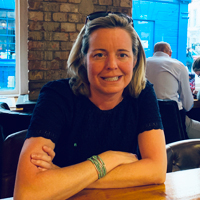 Betsy Burlingame is the Founder and President of Expat Exchange and is one of the Founders of Digital Nomad Exchange. She launched Expat Exchange in 1997 as her Master's thesis project at NYU. Prior to Expat Exchange, Betsy worked at AT&T in International
and Mass Market Marketing. She graduated from Ohio Wesleyan University
with a BA in International Business and German.
Betsy Burlingame is the Founder and President of Expat Exchange and is one of the Founders of Digital Nomad Exchange. She launched Expat Exchange in 1997 as her Master's thesis project at NYU. Prior to Expat Exchange, Betsy worked at AT&T in International
and Mass Market Marketing. She graduated from Ohio Wesleyan University
with a BA in International Business and German.
Some of Betsy's articles include 12 Best Places to Live in Portugal, 7 Best Places to Live in Panama and 12 Things to Know Before Moving to the Dominican Republic. Betsy loves to travel and spend time with her family. Connect with Betsy on LinkedIn.
Additional Information:
- Turkey Guide
- Healthcare & Health Insurance in Turkey
- Members Talk about Healthcare & Health Insurance in Turkey
- Best Places to Live in Turkey
- Real Estate in Turkey
- Guide to Real Estate in Turkey
- Pros & Cons of Living in Turkey
- Cost of Living in Turkey
- Best Places to Visit in Turkey for Christmas Cheer
- Christmas in Turkey
- Culture Shock in Turkey
- Homeschooling in Turkey
- 2026 Guide to Living in Turkey
- Pros and Cons of Living in Turkey 2026
- 2026 Guide to Moving to Turkey