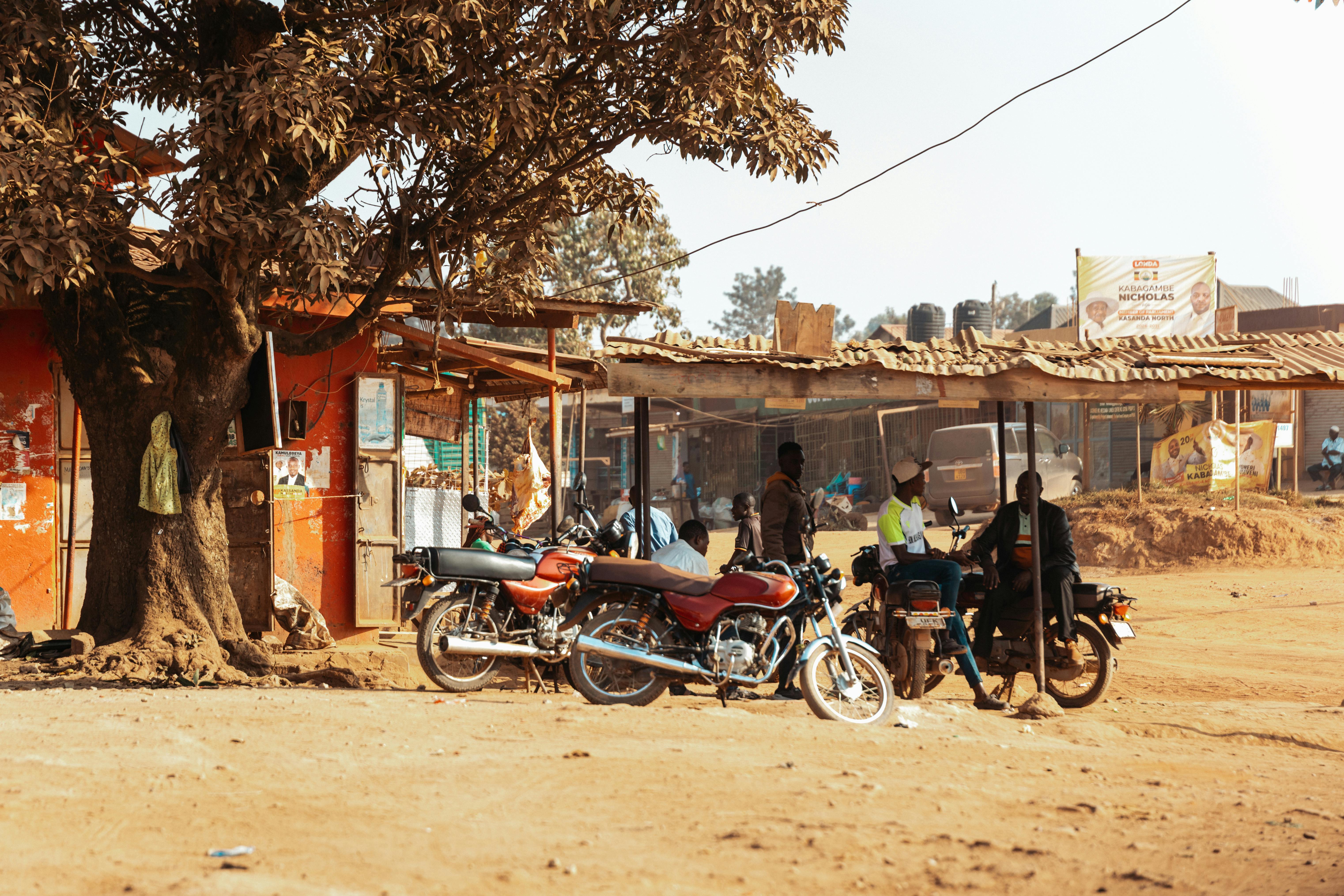
How to Buy a Home in Uganda


Summary: The one tip that you hear expats living in Uganda repeatedly sharing with newcomers is not to buy a home when you first move to Uganda. Rent for a few months or longer so that you have time to find the right neighborhood. Give yourself time to ensure that Uganda is right for you for the long term. If you've already taken time to do those things and are ready to take the plunge and become a property owner, here are tips about buying a home in Uganda.
Moving to Uganda can be an exciting adventure, and buying a home can make your stay more comfortable and permanent. However, navigating the real estate market in Uganda can be complex, especially for expats. This guide aims to provide a comprehensive overview of the home buying process in Uganda, helping expats understand the intricacies and legalities involved.
How do I find houses for sale in Uganda?
Finding houses for sale in Uganda involves several methods. Online property portals, local newspapers, and real estate agencies are excellent starting points. Websites like Jumia House, Lamudi, and Knight Frank Uganda list properties across the country. Additionally, driving around preferred neighborhoods can help you spot 'For Sale' signs. Networking with locals, expat communities, and engaging with real estate brokers can also provide valuable leads.
Are there restrictions on foreigners owning property in Uganda?
Yes, there are restrictions on foreigners owning property in Uganda. Non-citizens are not allowed to own land freehold, which is the most complete form of land ownership. However, foreigners can lease land for up to 99 years. Alternatively, foreigners can purchase property through registering a company in Uganda, with majority shareholding, and then the company can own the land freehold. It is crucial to consult with a legal professional to navigate these legalities correctly.
Does Uganda have an MLS type system?
Uganda does not have a centralized Multiple Listing Service (MLS) system like those found in countries such as the United States. Instead, property listings are scattered across various platforms and agencies. This makes the process of finding a suitable home more manual and time-consuming, emphasizing the importance of working with reputable real estate agencies and utilizing multiple search methods.
Do brokers have licenses and how do I know if they are licensed?
In Uganda, real estate brokers are required to be licensed by the Uganda Registration Services Bureau (URSB). To verify if a broker is licensed, you can request their license number and cross-check it with the URSB. Alternatively, you can ask for referrals from friends, colleagues, or expat communities to find reputable brokers. Working with a licensed broker ensures that you are dealing with a professional who adheres to legal and ethical standards.
What documents are required when buying a home?
When buying a home in Uganda, several documents are required. These include a valid passport, a certificate of incorporation if buying as a company, a tax identification number, and a memorandum and articles of association for corporate entities. Additionally, you will need a sales agreement, proof of land ownership or lease agreement, a land transfer form, and consent from the landlord if the property is leasehold. Ensuring all documents are in order is crucial for a smooth transaction.
Do I need a lawyer when buying a home in Uganda?
Yes, it is highly recommended to hire a lawyer when buying a home in Uganda. A lawyer will conduct due diligence on the property, verify ownership, check for encumbrances, and ensure all legal requirements are met. They will also draft and review the sales agreement, facilitate the transfer process, and register the property in your name. Legal fees vary but typically range between 1% to 3% of the property value, depending on the complexity of the transaction.
Do people typically buy a property with all cash or take out a mortgage?
In Uganda, both cash purchases and mortgages are used to buy properties. However, the mortgage market is less developed compared to some Western countries. Interest rates can be high, and loan terms may be shorter. Foreigners may face additional challenges in securing a mortgage, such as needing a work permit or proof of income. It is essential to research and compare different banking institutions to understand their mortgage requirements and offerings.
Are there inspections that take place, and if so what is that process like?
Property inspections in Uganda are not as standardized or mandatory as in some other countries. However, it is strongly advisable to conduct a thorough inspection before purchasing a property. This can be done by hiring a professional inspector or engineer to assess the structural integrity, electrical systems, plumbing, and overall condition of the property. The process involves a physical examination of the property, and a report is usually provided detailing any issues or repairs needed.
What are some of the pitfalls to avoid when buying property in Uganda?
Buying property in Uganda comes with several potential pitfalls. These include title fraud, where the seller does not have a genuine title to the property, and encroachment issues, where the property boundaries are not clear. Additionally, hidden costs, such as unpaid utility bills or taxes, can arise. To avoid these pitfalls, conduct thorough due diligence, engage with licensed professionals, and ensure all legal documents are properly verified. Patience and caution are key throughout the buying process.
About the Author
 Joshua Wood, LPC joined Expat Exchange in 2000 and serves as one of its Co-Presidents. He is also one of the Founders of Digital Nomad Exchange. Prior to Expat Exchange, Joshua worked for NBC Cable (MSNBC and CNBC
Primetime). Joshua has a BA from Syracuse and a Master's in Clinical and Counseling Psychology from Fairleigh Dickinson University. Mr. Wood is also a licensed counselor and psychotherapist.
Joshua Wood, LPC joined Expat Exchange in 2000 and serves as one of its Co-Presidents. He is also one of the Founders of Digital Nomad Exchange. Prior to Expat Exchange, Joshua worked for NBC Cable (MSNBC and CNBC
Primetime). Joshua has a BA from Syracuse and a Master's in Clinical and Counseling Psychology from Fairleigh Dickinson University. Mr. Wood is also a licensed counselor and psychotherapist.
Some of Joshua's articles include Pros and Cons of Living in Portugal, 10 Best Places to Live in Ireland and Pros and Cons of Living in Uruguay. Connect with Joshua on LinkedIn.
Additional Information: