Retire in Cape Town Guide


Summary: Retire in Cape Town with confidence, armed with the knowledge from our extensive guide. It covers critical considerations for retirees, from the cost of living and climate to housing, healthcare, and residency choices in Cape Town. We also delve into the social and cultural scene, volunteering options, public transportation facilities, and the city's walkability, helping you make an informed decision.
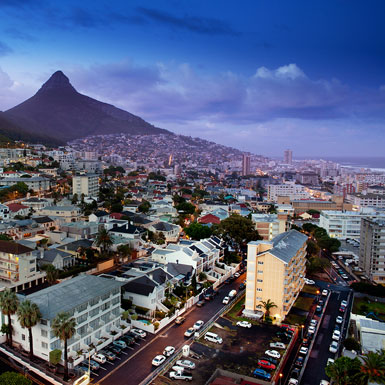
Cape Town, is a popular destination for international retirees, offering a unique blend of natural beauty, vibrant culture, and a relaxed lifestyle. The city's stunning landscapes, mild climate, and affordable cost of living make it an attractive option for those looking to enjoy their golden years in a dynamic and diverse setting. However, like any major city, Cape Town also presents its own set of challenges, including navigating the healthcare system and adjusting to a new culture and language.
Living Expenses in the Mother City
One of the main attractions for retirees in Cape Town is the relatively low cost of living. Housing, groceries, dining out, and entertainment are all significantly cheaper than in many Western countries. However, it's important to note that prices can vary greatly depending on the area and lifestyle choices. For example, living in the city center or popular coastal areas will be more expensive than in the suburbs or rural areas.
Climate and Weather
Cape Town enjoys a Mediterranean climate with mild, wet winters and warm, dry summers. The city is known for its stunning natural beauty, with plenty of sunshine to enjoy outdoor activities year-round. However, the infamous Cape Doctor, a strong south-easterly wind, can sometimes disrupt plans during the summer months.
Healthcare Facilities
Cape Town boasts some of the best private healthcare facilities in South Africa, with highly trained medical professionals and state-of-the-art equipment. However, these services can be expensive, and it's recommended that international retirees have comprehensive health insurance.
Public Healthcare System
While South Africa does have a public healthcare system, it is often under-resourced and overburdened. As a result, most international retirees opt for private healthcare. It's important to note that while foreigners can use public healthcare services, they are not eligible for free treatment and will have to pay out-of-pocket.
Residency Options
South Africa offers several residency options for retirees, including a temporary residence visa and a permanent residence permit. Both options require proof of financial means, either through a pension or other income.
Outdoor Activities and Recreation
Cape Town is a paradise for outdoor enthusiasts, with a plethora of parks, beaches, and hiking trails. The city's natural beauty is complemented by a vibrant arts and culture scene, with numerous galleries, theaters, and music venues.
Local Cuisine and Dining
Cape Town's culinary scene is as diverse as its population, with a wide range of restaurants offering everything from traditional African dishes to international cuisine. Some popular spots include The Test Kitchen, La Colombe, and Mzansi's.
Language Learning Opportunities
While English is widely spoken in Cape Town, learning a local language like Afrikaans or Xhosa can enrich your experience. The University of Cape Town offers language courses for adults, and there are also numerous online resources available.
Local Culture and Community
Cape Townians are known for their friendly and welcoming nature. The city has a diverse population, with a mix of cultures and languages. There are also numerous community events and festivals throughout the year, providing plenty of opportunities to meet locals and fellow retirees.
Volunteer Opportunities
For those looking to give back, Cape Town offers numerous volunteer opportunities. Organizations like Volunteer Wildfire Services and The Haven Night Shelter welcome international volunteers.
Housing Options
Retirees in Cape Town have a wide range of housing options, from modern apartments in the city center to spacious houses in the suburbs. Many retirees also choose to live in retirement villages, which offer a sense of community and additional services like healthcare and security.
Transportation
While having a car can be convenient, it's not essential in Cape Town. The city has a reliable public transportation system, and many areas are also walkable. However, for those living outside the city center, a car may be necessary.
About the Author
 Joshua Wood, LPC joined Expat Exchange in 2000 and serves as one of its Co-Presidents. He is also one of the Founders of Digital Nomad Exchange. Prior to Expat Exchange, Joshua worked for NBC Cable (MSNBC and CNBC
Primetime). Joshua has a BA from Syracuse and a Master's in Clinical and Counseling Psychology from Fairleigh Dickinson University. Mr. Wood is also a licensed counselor and psychotherapist.
Joshua Wood, LPC joined Expat Exchange in 2000 and serves as one of its Co-Presidents. He is also one of the Founders of Digital Nomad Exchange. Prior to Expat Exchange, Joshua worked for NBC Cable (MSNBC and CNBC
Primetime). Joshua has a BA from Syracuse and a Master's in Clinical and Counseling Psychology from Fairleigh Dickinson University. Mr. Wood is also a licensed counselor and psychotherapist.
Some of Joshua's articles include Pros and Cons of Living in Portugal, 10 Best Places to Live in Ireland and Pros and Cons of Living in Uruguay. Connect with Joshua on LinkedIn.
Additional Information:
- Expat Guide to Cape Town
- Healthcare & Health Insurance in Cape Town
- Public Transportation in Cape Town
- Pros & Cons of Living in Cape Town
- Fun Classes for Expats Living in Cape Town
- Best Neighborhoods for Retirees in Cape Town
- Best Neighborhoods for Families in Cape Town
- Best Neighborhoods for Single People in Cape Town
- Best International Schools and Bilingual Schools in Cape Town
- 7 Weekend Getaways for Digital Nomads Living in Cape Town
- Public Transportation in Cape Town
- Best Markets in Cape Town
- Retire in Cape Town Guide
- 7 Tips for Living in Cape Town
- Pros & Cons of Living in Cape Town
- Tips for Expats Driving in Cape Town
- Cost of Living in Cape Town
- Health Care in Cape Town
- Discovering the Best of Cape Town
- Healthcare & Health Insurance in South Africa
- Best Places to Live in South Africa
- Real Estate in South Africa
- Pros & Cons of Living in South Africa
- Top Hospitals in South Africa by Specialty
- Pros and Cons of Living in South Africa 2026