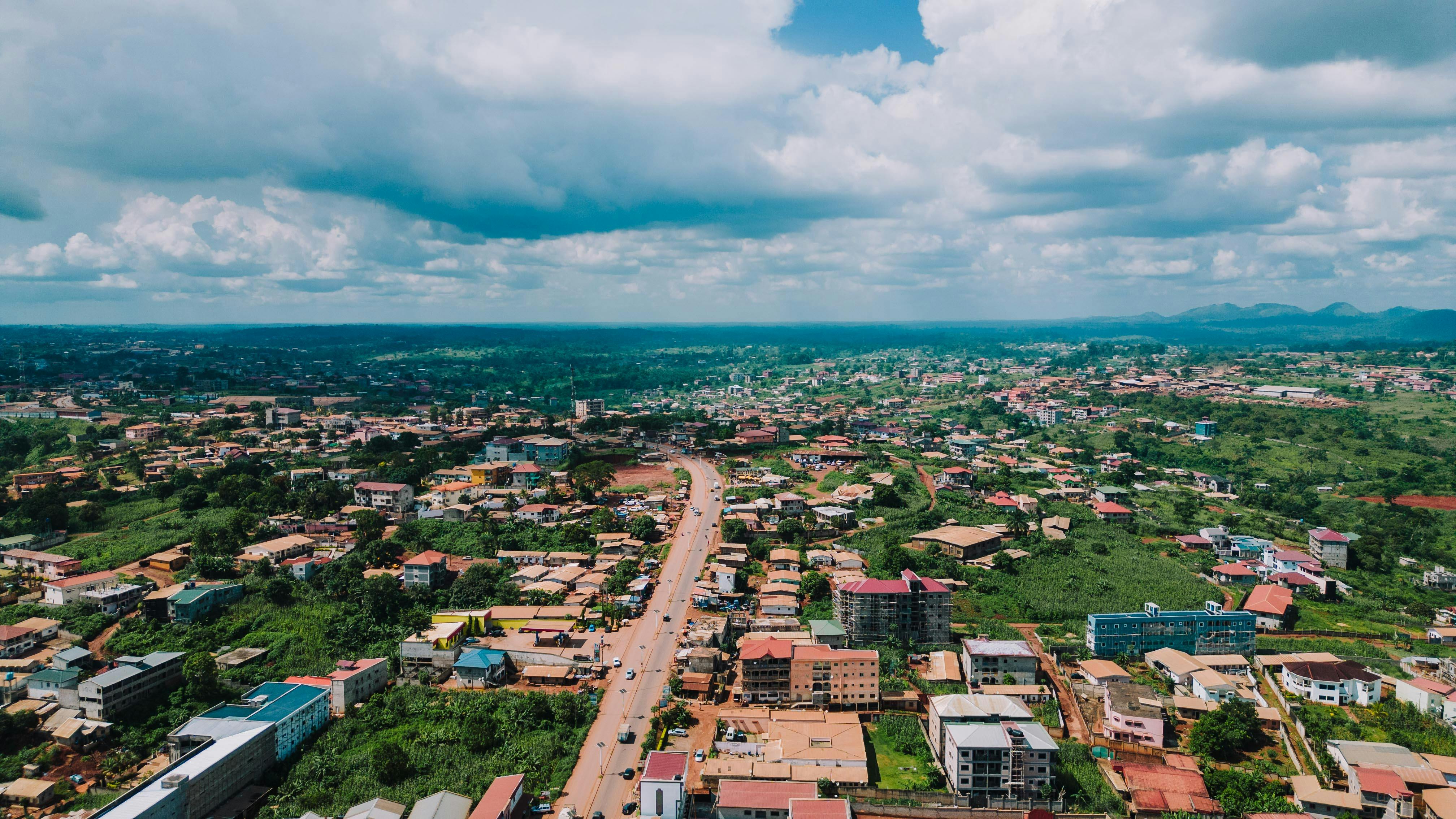
Homeschooling in Uganda


Summary: If you're moving with kids to Uganda and homeschooling is something you're considering, it's important to do your research and learn about homeschooling in Uganda.
Homeschooling in Uganda, while not as prevalent as in some other countries, is a viable educational option that has been gaining traction in recent years. Both local families and expatriates residing in Uganda have turned to homeschooling for various reasons, including personal preferences, religious or cultural beliefs, or dissatisfaction with the local schooling system. The legality and specifics of homeschooling in Uganda, however, are not as clearly defined as in some other countries, leaving many parents with questions and uncertainties.
Is it legal to homeschool in Uganda, particularly for expats?
The legality of homeschooling in Uganda is somewhat ambiguous. The Constitution of Uganda and the Education Act do not explicitly address homeschooling. However, there are no laws that expressly forbid it, and the right to education is generally interpreted as inclusive of home education. For expats, the regulations are similarly unclear, but there are no known cases where foreign residents have been prohibited from homeschooling their children. It is advisable for expats to consult with local educational authorities or their respective embassies for the most accurate and up-to-date information.
Is Homeschooling common in Uganda?
Homeschooling is not as common in Uganda as it is in some Western countries, but the practice is steadily growing. Traditional schooling remains the norm, with most children attending public or private schools. However, a growing number of families, both local and expatriate, are opting for homeschooling to provide a more personalized and flexible education for their children.
What specific requirements are there for homeschoolers in Uganda?
There are no formalized regulations or requirements specifically addressing homeschooling in Uganda. However, it is generally expected that homeschooled children follow a curriculum comparable to that of traditional schools. Some families choose to follow the Ugandan national curriculum, while others opt for international curricula. It is recommended that homeschooling families maintain records of their children's education to facilitate potential transitions to traditional schools or for university admissions.
Are there groups or resources for families who homeschool in Uganda?
While homeschooling resources and support groups are not as abundant in Uganda as in some other countries, there are networks of homeschooling families that provide support and share resources. These groups can often be found through online forums, social media, and local community organizations. Additionally, some international homeschooling organizations provide resources and support that can be accessed from anywhere in the world.
What should homeschooling parents take into consideration for university admissions in Uganda and internationally?
For university admissions, homeschooling parents should be prepared to provide thorough documentation of their child's education. This may include portfolios of work, transcripts, and standardized test results. In Uganda, homeschooled students may need to take national examinations to qualify for university admission. Internationally, many universities have policies for accepting homeschooled students and may require additional information, such as letters of recommendation or detailed course descriptions.
What are the Pros and Cons of homeschooling in Uganda for expat families?
Pros of homeschooling in Uganda for expat families include the ability to provide a more globally-focused education, flexibility to accommodate travel or cultural experiences, and the opportunity to tailor education to the child's specific needs. Cons may include the lack of a clear legal framework, potential social isolation, and the challenge of finding adequate resources and support. Additionally, expat families may face unique challenges related to cultural adaptation and language barriers.
About the Author
 Joshua Wood, LPC joined Expat Exchange in 2000 and serves as one of its Co-Presidents. He is also one of the Founders of Digital Nomad Exchange. Prior to Expat Exchange, Joshua worked for NBC Cable (MSNBC and CNBC
Primetime). Joshua has a BA from Syracuse and a Master's in Clinical and Counseling Psychology from Fairleigh Dickinson University. Mr. Wood is also a licensed counselor and psychotherapist.
Joshua Wood, LPC joined Expat Exchange in 2000 and serves as one of its Co-Presidents. He is also one of the Founders of Digital Nomad Exchange. Prior to Expat Exchange, Joshua worked for NBC Cable (MSNBC and CNBC
Primetime). Joshua has a BA from Syracuse and a Master's in Clinical and Counseling Psychology from Fairleigh Dickinson University. Mr. Wood is also a licensed counselor and psychotherapist.
Some of Joshua's articles include Pros and Cons of Living in Portugal, 10 Best Places to Live in Ireland and Pros and Cons of Living in Uruguay. Connect with Joshua on LinkedIn.
Additional Information: