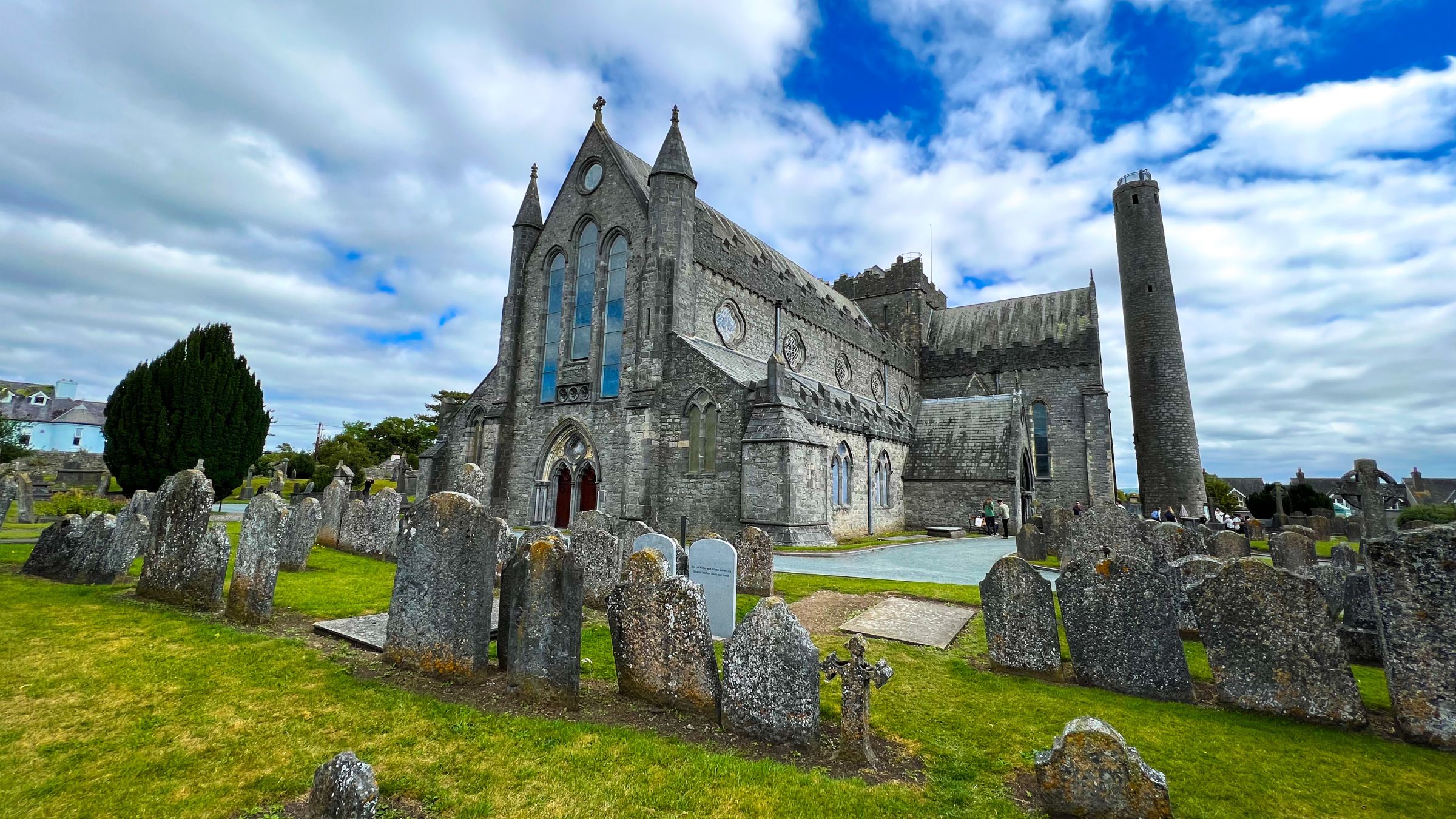
Culture Shock in Ireland


Summary: If you're planning a move to Ireland, or have recently settled there, it's natural to encounter some culture shock as you adjust to your new surroundings. Our insightful article is designed to help you navigate this transition smoothly. It offers practical tips and draws on the experiences of fellow expats who have successfully embraced the cultural nuances of Ireland.
Moving to Ireland can be an exciting adventure, but it's important to be prepared for the cultural differences and potential culture shock that may come with it. Whether you're still considering the move or have already taken the plunge, understanding what to expect can help make the transition smoother. From learning the language to navigating social norms, here's a comprehensive guide to help you prepare for life in the Emerald Isle.
Phases of Culture Shock for a Newcomer in Ireland
Culture shock typically comes in stages, and understanding these phases can help you navigate the emotional rollercoaster of moving to Ireland. The initial phase is often the honeymoon period, where everything seems exciting and new. You might enjoy the lush greenery, the friendly locals, and the vibrant pub culture. However, this phase can be followed by frustration and irritability as you encounter cultural differences and the challenges of daily life. It's important to recognize that these feelings are normal and that they will pass with time. Finally, you'll reach a stage of acceptance and adaptation, where you feel more comfortable and integrated into Irish society.
Learning Irish Gaelic: Challenges and Benefits
If you're still learning Irish Gaelic, you might find communication challenging at first. While English is widely spoken, having a basic understanding of Irish can help you connect with the locals and appreciate the culture more deeply. Don't be afraid to make mistakes; the Irish are known for their patience and encouragement when it comes to helping others learn their language. Consider enrolling in language classes or using language learning apps to improve your skills. Even a simple "Dia dhuit" (hello) or "Go raibh maith agat" (thank you) can go a long way in showing your respect for the language and culture.
Top 5 Cultural Faux Pas Expats Make in Ireland
Navigating a new culture can be tricky, and it's easy to make mistakes. Here are the top five cultural faux pas to avoid in Ireland:
Ignoring pub etiquette: Pubs are an essential part of Irish social life, and there are unspoken rules to follow. Always buy your round, don't order an Irish Car Bomb (it's considered offensive), and tipping is not expected but appreciated for exceptional service.
Making light of Irish history: The Irish have a complex history filled with struggle and resilience. Be respectful and show genuine interest in learning about their past.
Comparing Ireland to the UK: While they share some similarities, Ireland has its own unique identity. Avoid making comparisons that could come off as insensitive.
Not respecting local customs: Ireland has many unique traditions, from St. Patrick's Day to Halloween. Embrace these customs and show enthusiasm for participating in local celebrations.
Being too direct: The Irish value politeness and indirect communication. Be mindful of your tone and avoid coming off as too aggressive or blunt.
Expat Advice: Navigating Culture Shock in Ireland
We've gathered some advice from expats who have gone through the process of moving to Ireland and overcoming culture shock. Here are their insights:
Embrace the outdoors: Ireland is known for its stunning landscapes, and the Irish love spending time outdoors. Join hiking groups or explore local trails to connect with nature and meet new people.
Get involved in the community: Join clubs, volunteer, or attend local events to immerse yourself in the community. This will help you make friends and feel more at home.
Be patient with yourself: Culture shock can be overwhelming, and it's okay to have good days and bad days. Give yourself time to adjust and don't be too hard on yourself.
Ask for help: The Irish are known for their hospitality and friendliness. Don't be afraid to ask for help when you need it. Whether it's directions or advice on local customs, the locals are usually more than happy to assist.
Embrace "the craic": The Irish have a unique sense of humor and love to have a good time. Embrace this aspect of the culture and enjoy the lightheartedness of daily life.
Understanding Irish Humor and Banter
The Irish are known for their quick wit and sarcastic humor, which can take some getting used to. Banter is a big part of Irish culture, and it's often used as a way to build rapport and show affection. Don't take offense if someone pokes fun at you; it's usually a sign that they like you. Try to engage in the banter and show that you can give as good as you get. Watching Irish comedy shows and movies can also help you understand the nuances of Irish humor.
Navigating Irish Bureaucracy and Daily Life
Adjusting to the bureaucracy and daily life in Ireland can be challenging. The process of setting up a bank account, finding accommodation, or dealing with immigration can be frustrating and time-consuming. Patience is key, and don't hesitate to ask for help if you need it. Joining expat forums or Facebook groups can provide valuable insights and support from others who have gone through the same process. Remember that things might take longer than expected, and it's important to stay calm and persistent.
Embracing the Irish Way of Life
To truly overcome culture shock, it's essential to embrace the Irish way of life. This means enjoying the simple pleasures, like a cup of tea on a rainy day or a traditional music session in a cozy pub. It means valuing family, friends, and community above all else. It means appreciating the beauty of the Irish landscape and the warmth of its people. The more you embrace the Irish way of life, the more you'll feel at home in your new surroundings.
Moving to Ireland is an incredible journey filled with ups and downs, challenges and rewards. By understanding the phases of culture shock, learning the language, and embracing the unique aspects of Irish culture, you can make the most of your experience and truly appreciate the beauty of the Emerald Isle.
"We've been here six months, so I think we are still in the honeymoon period. Only frustration was that they are changing the residency rules after we got here and bought a house, etc," said one expat living in North Tipperary.
"Anger was the first day I arrived to sign my lease and open bank account. I had already signed my lease and got the keys for my rental house, left my luggage and got a ride downtown with "letting Agent." I went to the Bank and pulled 3000 Euro from the ATM machine with multiple US debit cards. Then went to sign up and filled out the application for the account. One needs Bank account to sign up for electric account, rent, telephone, internet, etc. They require auto pay. Bank Manager told me I had to provide proof of residency so I showed him my lease. Not good enough, it had to be a letter in the "POST" mailed to my new address by either a government agency or a business controlled by the government. He said usually people bring in their first electric bill. I said wait a minute, I don't get a bill for 2 months. However, I asked if car insurance was considered controlled by the government and he said yes. So I called my agent (I had prearranged car insurance from the US) and asked him to send a letter to my new address. He said he would post it that day which was Thursday. I finally received it on Tuesday, and off I went to the Bank. It was accepted and then the Manager told me I had to wait until it was sent BY POST to the main office in Dublin for approval. I was angry at that moment and I blew up at him, asked why they even needed a manager if he could not open a simple checking account. I was raising my voice and several locals supported me saying they treated them the same way with bureaucratic nonsense. I told him and all the others that in the US, I could open an account in 30 minutes. Well, it took 19 more days before my ATM card showed up and papers about my account in the POST. I went to the Bank and the Manager saw me coming and disappeared. I think he was afraid that nasty "Yankee" would cause another scene. A few months later my wife and I were walking down the sidewalk and I spotted him coming toward us. He crossed the street so he would not cross my path. He was afraid of me I guess. It was funny to me then," wrote a member in Enniscorthy.
"I wouldn't say I was angry but we did have a honeymoon phase for sure where we loved everything. Then reality hit and it was frustrating and hard to figure things out. It took us a while to make real friends, but we eventually did and it makes all the difference in the world to have a social circle and people you can do things with and rely on. Getting the children into the local schools was extremely hard and stressful. Once we solved that things got easier," commented one expat who made the move to South County Dublin.
"Irish people are friendly enough after they get to know you. Food was relatively cheap and higher quality in some cases than in US. I lived in a 54 individual house development for retired (65) or disabled people less than 65 could also qualify. I was one of the first ones to rent in there," said one expat living in Enniscorthy.
"The history and the beautiful scenery. The Dingle Peninsula made me cry from the absolute beauty of it. Store staff are always willing to chat, ask you where you're from, and try to find connections," wrote a member in North Tipperary.
"I love that kids stay innocent longer here. The kids just play and run around and there isn't the same fears associated with it as there would have been in my home town in Canada. People are very friendly and inviting and go to great lengths to help you out once they know you. We've been warmly included in many traditions and celebrations here. We also love the history and have spent a lot of time exploring the country learning as much as we can. It's a gorgeous place to live, especially when sunny," commented one expat who made the move to South County Dublin.
"Difficult in a small town to become a part of the community. Had planned to volunteer in the schools, but they don't do that here. But we're making baby steps. Buying anything is a nightmare. I was so used to shopping online. Not really possibly here. Products are so different," commented an expat living in North Tipperary.
"Bureaucracy. Banks, Insurance, documents, learning bus routes and how to deal with rental agents. I had several problems with "owners" and their agents. No room here to tell all the stories. Did not know about need for TV license until neighbors told us after we bought new TV. License does not cost for 65 + but one still needs to get it. Took 4 months," said an expat in Enniscorthy.
"Nobody is in a hurry to do anything and they run on "Irish time" meaning it's normal and acceptable to be late. It has taken us a long time to get used to this. Repairs take forever as does processing paperwork. Don't even get me started on the challenges of getting a full Irish driving license!!," remarked one expat who made the move to South County Dublin.
About the Author
 Joshua Wood, LPC joined Expat Exchange in 2000 and serves as one of its Co-Presidents. He is also one of the Founders of Digital Nomad Exchange. Prior to Expat Exchange, Joshua worked for NBC Cable (MSNBC and CNBC
Primetime). Joshua has a BA from Syracuse and a Master's in Clinical and Counseling Psychology from Fairleigh Dickinson University. Mr. Wood is also a licensed counselor and psychotherapist.
Joshua Wood, LPC joined Expat Exchange in 2000 and serves as one of its Co-Presidents. He is also one of the Founders of Digital Nomad Exchange. Prior to Expat Exchange, Joshua worked for NBC Cable (MSNBC and CNBC
Primetime). Joshua has a BA from Syracuse and a Master's in Clinical and Counseling Psychology from Fairleigh Dickinson University. Mr. Wood is also a licensed counselor and psychotherapist.
Some of Joshua's articles include Pros and Cons of Living in Portugal, 10 Best Places to Live in Ireland and Pros and Cons of Living in Uruguay. Connect with Joshua on LinkedIn.
Additional Information:
- Ireland Guide
- Healthcare & Health Insurance in Ireland
- Members Talk about Healthcare & Health Insurance in Ireland
- Best Places to Live in Ireland
- Real Estate in Ireland
- Guide to Real Estate in Ireland
- Pros & Cons of Living in Ireland
- Cost of Living in Ireland
- 10 Best Places for Families to Live in Ireland
- Getting a Driver's License in Ireland
- 15 Best Places to Live in Ireland
- 10 Best Places to Live on the Coast in Ireland
- 2026 Guide to Living in Ireland
- Pros and Cons of Living in Ireland 2026
- 2026 Guide to Moving to Ireland