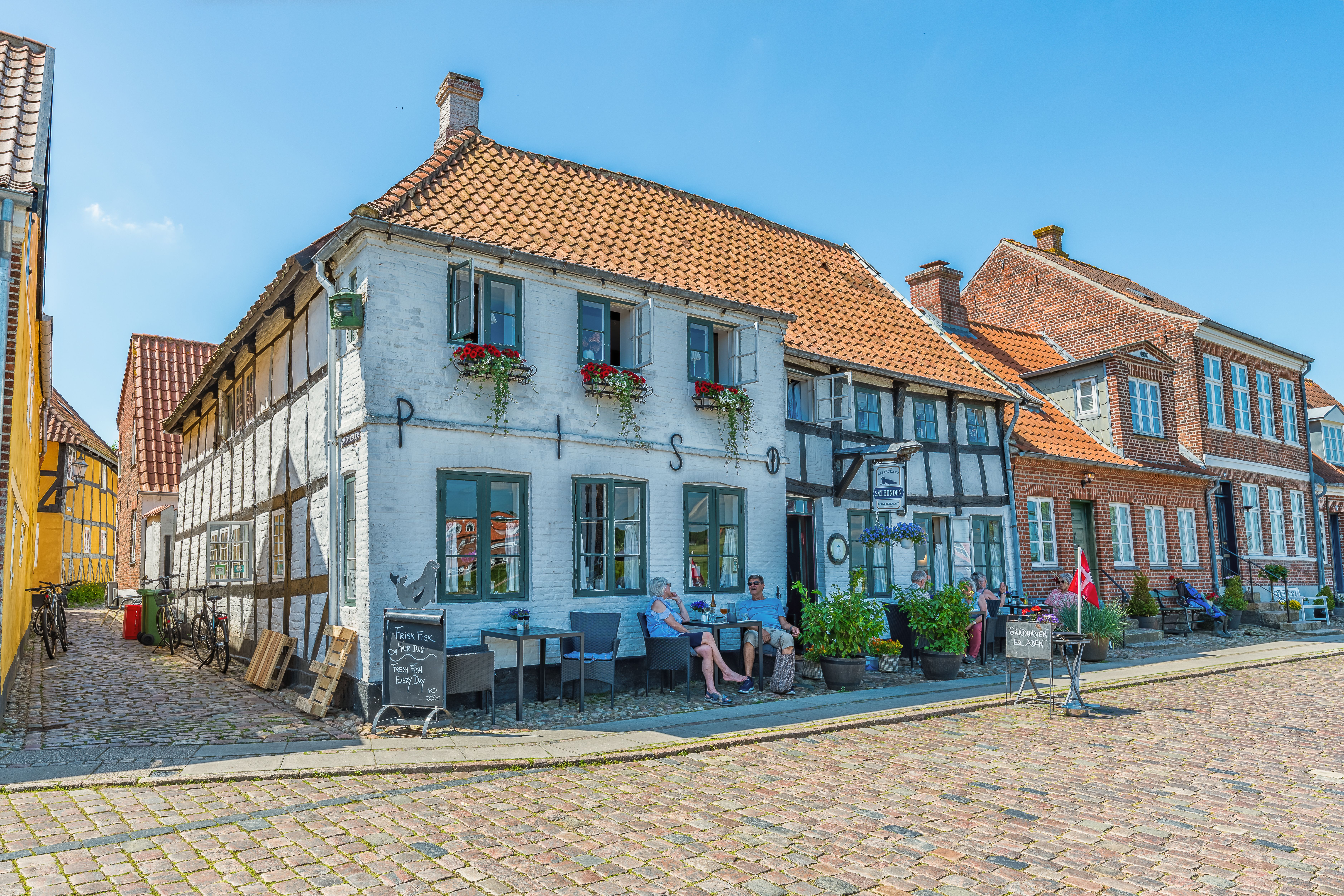
Christmas in Denmark


Summary: Explore the festive traditions of Christmas and New Year in Denmark, where the celebrations are marked by special foods, church ceremonies, the exchange of gifts, and an array of cultural customs.
The holiday season in Denmark is a magical time, blending centuries-old traditions with cozy hygge charm. For expats and digital nomads experiencing their first Christmas and New Year in Denmark, the celebrations offer a mix of familiar elements and unique local customs. From festive markets to candlelit dinners, the Danish way of celebrating is both heartwarming and unforgettable.
Christmas Traditions and Celebrations
Christmas in Denmark, known as *jul*, is the most important holiday of the year. Preparations begin in late November, with towns and cities transforming into winter wonderlands. The Danish Santa Claus, called *Julemanden*, is similar to the American version but arrives on a sleigh pulled by reindeer rather than a flying one. Children leave out rice pudding (*risengrød*) for him and his helpers, the *nisser*—mischievous elves who play a big role in Danish folklore.
Gift-giving is central to Danish Christmas, with presents exchanged on Christmas Eve (*juleaften*). Unlike in some countries, where gifts are opened on Christmas morning, Danes unwrap them after dinner, often while dancing around the Christmas tree. Gifts tend to be thoughtful rather than extravagant, focusing on personal touches like handmade items, books, or cozy winter accessories.
Food and Festive Treats
Danish Christmas cuisine is rich and comforting. The traditional Christmas Eve meal typically features *flæskesteg* (roast pork with crackling), *andesteg* (roast duck), or *frikadeller* (meatballs), served with boiled potatoes, red cabbage, and gravy. For dessert, *risalamande*—a creamy rice pudding with almonds and cherry sauce—is a must. A whole almond is hidden in the pudding, and whoever finds it wins a small prize, often a marzipan pig (*marsipangris*).
New Year’s Eve brings its own culinary traditions, with *kransekage*—a towering ring cake made of marzipan—served alongside champagne. Many Danes also enjoy *smørrebrød* (open-faced sandwiches) or seafood dishes as part of their celebrations.
Christmas Markets and Decorations
Denmark is famous for its enchanting Christmas markets, which pop up in cities and towns across the country. Copenhagen’s Nyhavn and Hojbro Plads markets are among the most popular, offering handmade crafts, mulled wine (*gløgg*), and festive treats. Tivoli Gardens, the iconic amusement park, transforms into a dazzling winter wonderland with thousands of lights, rides, and holiday performances.
In Aarhus, the *Den Gamle By* open-air museum hosts a charming Christmas market with historical decorations and live music. Smaller towns like Ribe and Odense also have beautiful markets, often set against medieval backdrops. Many neighborhoods go all out with decorations, with streets lined with twinkling lights and homes adorned with Advent wreaths and candles.
Christmas Eve and Christmas Day
Christmas Eve is the main event in Denmark. Families gather for a festive dinner, followed by the exchange of gifts. Afterward, many Danes attend midnight Mass or a candlelit church service, though church attendance is not as widespread as it once was. Christmas Day is a quieter affair, spent relaxing with family, enjoying leftovers, and perhaps taking a winter walk.
New Year’s Eve is celebrated with fireworks, parties, and the traditional *kransekage*. At midnight, Danes toast with champagne and watch the skies light up with fireworks. Many also tune in to the Queen’s New Year’s speech, a long-standing tradition.
Unique Danish Holiday Customs
One quirky Danish tradition is *julefrokost*—a Christmas lunch that can last for hours, featuring smørrebrød, schnapps, and plenty of singing. Another is the *julekalender*, a TV advent calendar series that airs daily in December, captivating both children and adults.
For those new to Denmark, the holidays are a wonderful opportunity to embrace local customs while creating new traditions. Whether it’s ice skating in a city square, sipping gløgg at a market, or dancing around the Christmas tree, the Danish festive season is full of warmth and joy.
About the Author
 Joshua Wood, LPC joined Expat Exchange in 2000 and serves as one of its Co-Presidents. He is also one of the Founders of Digital Nomad Exchange. Prior to Expat Exchange, Joshua worked for NBC Cable (MSNBC and CNBC
Primetime). Joshua has a BA from Syracuse and a Master's in Clinical and Counseling Psychology from Fairleigh Dickinson University. Mr. Wood is also a licensed counselor and psychotherapist.
Joshua Wood, LPC joined Expat Exchange in 2000 and serves as one of its Co-Presidents. He is also one of the Founders of Digital Nomad Exchange. Prior to Expat Exchange, Joshua worked for NBC Cable (MSNBC and CNBC
Primetime). Joshua has a BA from Syracuse and a Master's in Clinical and Counseling Psychology from Fairleigh Dickinson University. Mr. Wood is also a licensed counselor and psychotherapist.
Some of Joshua's articles include Pros and Cons of Living in Portugal, 10 Best Places to Live in Ireland and Pros and Cons of Living in Uruguay. Connect with Joshua on LinkedIn.
Additional Information:
- Denmark Guide
- Healthcare & Health Insurance in Denmark
- Members Talk about Healthcare & Health Insurance in Denmark
- Best Places to Live in Denmark
- Real Estate in Denmark
- Guide to Real Estate in Denmark
- Pros & Cons of Living in Denmark
- Cost of Living in Denmark
- 15 Best Places to Live in Denmark
- Understanding the Health System in Denmark
- Guide to Residency in Denmark
- 2026 Guide to Living in Denmark
- Pros and Cons of Living in Denmark 2026