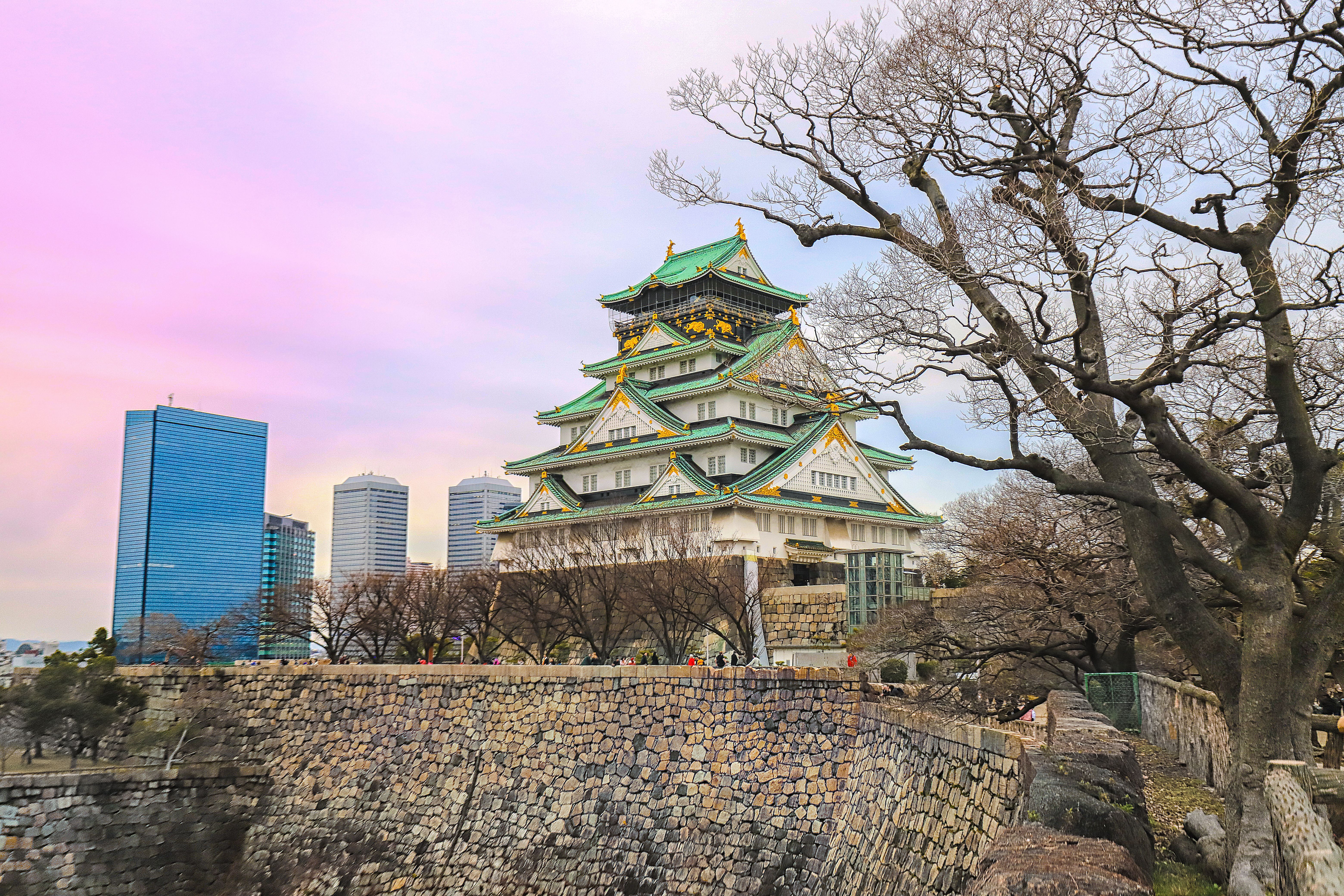


Christmas in Japan


Summary: Explore the festive traditions of Christmas and New Year in Japan, where the celebrations are marked by special foods, church ceremonies, the exchange of gifts, and an array of cultural customs.
The holiday season in Japan offers a unique blend of festive traditions and local customs. For expats and digital nomads experiencing their first Christmas and New Year in Japan, the celebrations are a mix of familiar elements and distinctly Japanese twists. While the holidays may not carry the same religious significance as in Western countries, they are widely embraced with decorations, food, and events that create a festive atmosphere.
Christmas in Japan: A Festive but Non-Religious Celebration
Christmas in Japan is more of a commercial and cultural event than a religious one. Unlike in many Western countries, it is not a national holiday, so most people work on Christmas Day. However, the weeks leading up to Christmas are filled with decorations, illuminations, and special promotions in stores and restaurants.
One of the most iconic Christmas traditions in Japan is the Christmas cake, a light sponge cake topped with whipped cream and strawberries. This dessert is so popular that many bakeries take orders weeks in advance. Another staple is fried chicken, particularly from KFC, which has become a Christmas Eve tradition thanks to a successful marketing campaign decades ago. Many families and couples pre-order their Christmas meals from KFC or other restaurants.
Santa Claus, known as "Santa-san" in Japan, is a familiar figure, though his role is more commercial than cultural. Children may receive small gifts, but the focus is less on gift-giving and more on enjoying festive treats and decorations. Couples often celebrate Christmas Eve as a romantic occasion, similar to Valentine’s Day, with dinners at upscale restaurants or strolls through beautifully lit streets.
New Year’s in Japan: A Time for Tradition and Reflection
While Christmas is a festive but relatively low-key event, New Year’s (Shogatsu) is Japan’s most important holiday. It is a time for family gatherings, traditional foods, and rituals that welcome the new year with good fortune and prosperity.
The days leading up to New Year’s Eve are busy with preparations. Many people participate in "osoji," a thorough cleaning of their homes to sweep away bad luck and welcome the new year with a fresh start. On New Year’s Eve, families gather to eat "toshikoshi soba," a dish of buckwheat noodles symbolizing longevity. At midnight, temple bells ring 108 times in a ritual called "joya no kane," which is believed to cleanse the 108 human sins.
New Year’s Day is a time for visiting shrines and temples for "hatsumode," the first shrine visit of the year. Many people dress in traditional kimono or formal attire for the occasion. Another key tradition is the exchange of "otoshidama," small envelopes containing money given to children by relatives.
Festive Foods and Treats
Christmas in Japan is associated with specific foods, such as the aforementioned Christmas cake and fried chicken. Some families also enjoy a Christmas dinner of roast chicken or ham, though this is less common than the KFC tradition.
For New Year’s, traditional dishes known as "osechi ryori" are prepared in advance and eaten over the first few days of the year. These elaborate bento boxes contain a variety of symbolic foods, such as "kuromame" (sweet black beans for health), "datemaki" (sweet rolled omelet for wisdom), and "kohaku kamaboko" (red and white fish cakes for celebration). Another popular dish is "ozoni," a soup with mochi rice cakes, the ingredients of which vary by region.
Where to Experience the Holidays in Japan
For those looking to soak in the holiday spirit, several cities and neighborhoods are known for their festive decorations and events. Tokyo’s Roppongi Hills and Shibuya are famous for their dazzling Christmas illuminations, while Yokohama’s Minato Mirai district offers a stunning waterfront light display. In Osaka, the Midosuji Boulevard is lined with thousands of lights, creating a magical atmosphere.
For a more traditional New Year’s experience, Kyoto’s temples and shrines, such as Fushimi Inari Taisha and Kiyomizu-dera, are popular destinations for "hatsumode." The city’s historic streets and lantern-lit pathways provide a serene and picturesque setting for welcoming the new year.
Whether you’re enjoying a romantic Christmas Eve dinner or ringing in the new year with temple visits and traditional foods, the holidays in Japan offer a blend of modern festivities and time-honored customs. For expats and digital nomads, it’s a chance to experience the season in a way that’s both familiar and uniquely Japanese.
About the Author
 Betsy Burlingame is the Founder and President of Expat Exchange and is one of the Founders of Digital Nomad Exchange. She launched Expat Exchange in 1997 as her Master's thesis project at NYU. Prior to Expat Exchange, Betsy worked at AT&T in International
and Mass Market Marketing. She graduated from Ohio Wesleyan University
with a BA in International Business and German.
Betsy Burlingame is the Founder and President of Expat Exchange and is one of the Founders of Digital Nomad Exchange. She launched Expat Exchange in 1997 as her Master's thesis project at NYU. Prior to Expat Exchange, Betsy worked at AT&T in International
and Mass Market Marketing. She graduated from Ohio Wesleyan University
with a BA in International Business and German.
Some of Betsy's articles include 12 Best Places to Live in Portugal, 7 Best Places to Live in Panama and 12 Things to Know Before Moving to the Dominican Republic. Betsy loves to travel and spend time with her family. Connect with Betsy on LinkedIn.
Additional Information:
- Japan Guide
- Healthcare & Health Insurance in Japan
- Members Talk about Healthcare & Health Insurance in Japan
- Best Places to Live in Japan
- Real Estate in Japan
- Guide to Real Estate in Japan
- Pros & Cons of Living in Japan
- Cost of Living in Japan
- How to Rent a Home in Japan
- How to Enroll in the Public Healthcare System in Japan
- 10 Best Places for Families to Live in Japan
- Getting a Driver's License in Japan
- 2026 Guide to Living in Japan
- Pros and Cons of Living in Japan 2026
- 2026 Guide to Moving to Japan