
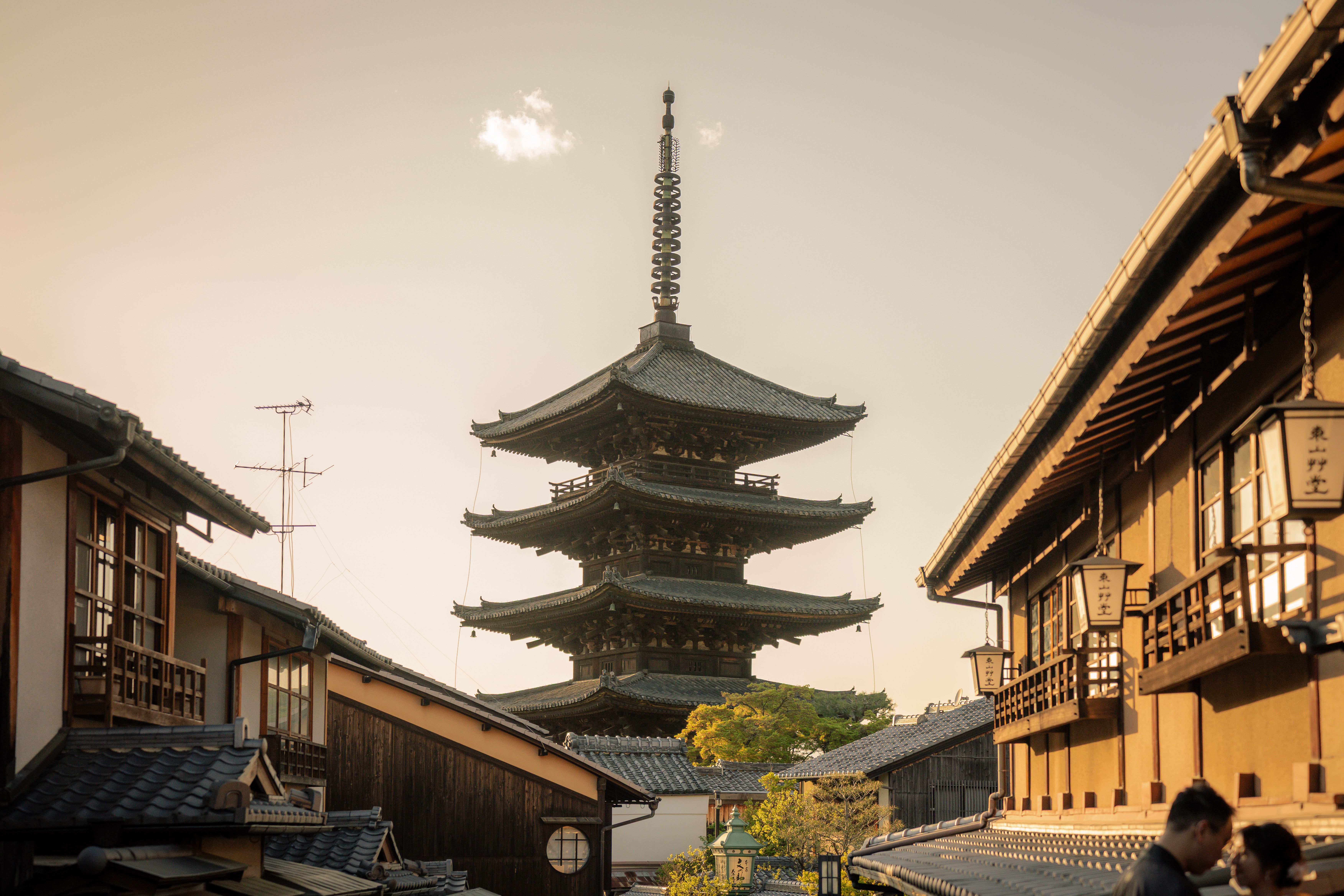
15 Expats Talk about Health Insurance and Healthcare in Japan
Last updated on Mar 05, 2025
Summary: The quality of medical care in Japan is generally considered to be very high, with a strong emphasis on preventative care. Japan has a well-developed healthcare system, with a wide range of medical services available. In comparison to the US, Japan has a higher life expectancy and lower infant mortality rate. Emergency services in Japan are generally reliable and efficient. Ambulances can be called by dialing 119, and the operator will be able to provide assistance in English. Ambulances are usually equipped with the latest medical technology and staffed with highly trained medical personnel.


How are healthcare services Japan?
When we asked expats and global nomads about the quality of medical care in Japan, they replied:
"Healthcare services in Japan are generally of a high quality and are provided by both public and private institutions. The public healthcare system is funded by taxes and is available to all citizens and foreign residents. It covers a wide range of services, including preventive care, hospitalization, and long-term care. The quality of public healthcare is generally good, with access to modern medical technology and highly trained medical professionals. Foreign residents are eligible to use the public healthcare system, although they may need to pay a portion of the cost. Expats in Japan can use the public healthcare system by registering with their local municipality and obtaining a health insurance card. This card allows them to access public healthcare services at a discounted rate," said an expat in Japan.
What are medical services in Japan like?
When we asked expats and global nomads about the quality of medical care in Japan, they replied:
"It is difficult to find English speaking health providers, but they do exist. The healthcare culture is very rushed and you must be clear about what you need, otherwise the doctor isn't going to take the time to figure it out for you," said one expat living in Tokyo.
"In Japan, medical services are highly advanced and of a very high quality. The country has a comprehensive healthcare system that provides access to a wide range of medical services, including preventive care, diagnosis, treatment, and rehabilitation. Japan also has a well-developed network of hospitals and clinics, staffed by highly trained and experienced medical professionals. Patients can expect to receive personalized care and attention, and the latest medical technology is often used to ensure the best possible outcomes," mentioned one expat in Japan.
Never worry about paying your medical bills out of pocket again. The innovative PassportCard allows for a stress-free experience for all expat families, remote travelers, and workers. With a 24/7 customer service and an outstanding customer base of over 2 Million clients, it will feel like medical care at home. Get up to 10% off on your policy now.
Never worry about paying your medical bills out of pocket again. The innovative PassportCard allows for a stress-free experience for all expat families, remote travelers, and workers. With a 24/7 customer service and an outstanding customer base of over 2 Million clients, it will feel like medical care at home. Get up to 10% off on your policy now.
Are healthcare and health insurance expensive in Japan?
"Healthcare and health insurance in Japan can be expensive, depending on the type of coverage and services needed. Generally, the cost of healthcare in Japan is higher than in many other countries due to the high quality of care and the advanced technology used. Health insurance premiums can also be costly, but the government subsidizes a portion of the cost for those who qualify. Additionally, many employers offer health insurance plans to their employees, which can help to reduce the cost," wrote one expat.
"I have Social Health Insurance that my job helped set up for me. It's accepted pretty much everywhere as it's a public insurance. I have only needed to do something preventative, though, so I have only paid for medical service in its entirely before," commented one expat who moved to Tokyo.
 PassportCard Expat Health Insurance
Get Quote
Never worry about paying your medical bills out of pocket again. The innovative PassportCard allows for a stress-free experience for all expat families, remote travelers, and workers. With a 24/7 customer service and an outstanding customer base of over 2 Million clients, it will feel like medical care at home. Get up to 10% off on your policy now.
PassportCard Expat Health InsuranceNever worry about paying your medical bills out of pocket again. The innovative PassportCard allows for a stress-free experience for all expat families, remote travelers, and workers. With a 24/7 customer service and an outstanding customer base of over 2 Million clients, it will feel like medical care at home. Get up to 10% off on your policy now.
Get Quote
What are emergency services like in Japan?
When we asked about emergency services, members in Japan wrote:
"Emergency services in Japan are highly efficient and reliable. In the event of an emergency, the best way to call for an ambulance is to dial the emergency number 119. This number is available 24 hours a day, 7 days a week and is free of charge. When calling, it is important to provide the operator with as much information as possible, such as the exact location of the emergency, the type of emergency, and any other relevant information. The operator will then dispatch an ambulance to the scene as quickly as possible," said an expat in Japan.
Never worry about paying your medical bills out of pocket again. The innovative PassportCard allows for a stress-free experience for all expat families, remote travelers, and workers. With a 24/7 customer service and an outstanding customer base of over 2 Million clients, it will feel like medical care at home. Get up to 10% off on your policy now.
Never worry about paying your medical bills out of pocket again. The innovative PassportCard allows for a stress-free experience for all expat families, remote travelers, and workers. With a 24/7 customer service and an outstanding customer base of over 2 Million clients, it will feel like medical care at home. Get up to 10% off on your policy now.
Will I need to travel to see a specialist?
"Expats likely go anywhere that has English speakers. Healthcare is good here. People only have to pay 30% of reasonable costs for anything covered. Unfortunately, the public healthcare here does not cover anything preventative. Since I still have active health insurance in America, I have visited there to get a child prevention measure done - completely covered," remarked one expat in Tokyo.
Are common prescription medications available in Japan?
"There are pharmacies in every neighborhood and they are easily accessible and reasonably priced. However, being in Japan, some medications may not be available or provided. Therefore, check which medications are available before moving to Japan," said an expat in Tokyo.
Do you have anything more to add about local medical facilities in Japan?
"Medical facilities and medical care in Japan are of a very high quality. The country has a well-developed healthcare system, with a wide range of medical services available. Doctors and nurses are highly trained and experienced, and the latest medical technology is widely used. Japan also has a strong emphasis on preventive medicine, with regular health check-ups and screenings available to the public. In addition, the cost of medical care in Japan is generally lower than in many other developed countries," said one expat.
"There is a hospital about 15 minutes from my home. Hospitals are everywhere and are accessible. Every hospital I have been to has been of good quality and if it is public or private varies by case," remarked one expat in Tokyo.
As a foreigner living in Japan, will I have access to public healthcare? What is it like?
"There is a national health insurance that everyone (expats and Japanese people) is enrolled in. Its cost is based off of your previous year’s income. It covers 70% of most medical costs, but preventative care is not covered (flu shots, checkups, etc.). There are public and private hospitals available," said one expat living in Tokyo.
"I have Social Health Insurance as an full-time employee. National Health Insurance also exists if one's job does not pay for half of insurance. Everyone is entitled to public insurance and may enroll if a resident. It costs me about 5% of my salary (and my employer pays another 5%) based on my salary in the previous year. I was enrolled with no questions of my pre-existing conditions. There are public hospitals, but I have not been to one yet. It is often the case that people with some health issue will go to a local, small practitioner that specializes in that field," mentioned one expat in Tokyo.
What have your experiences during the pandemic with the local healthcare system been like?
We asked expats in Japan if they have access to public healthcare in Japan. And, if they do have access, what is it like. They wrote...
"Tokyo has managed it very well, and during this outbreak, the standard of medical care there has been superb," wrote an expat living in Tokyo.
"My experiences with the local healthcare system in Japan during the pandemic have been generally positive. The healthcare system has been very responsive to the pandemic, with the government providing clear guidance on how to prevent the spread of the virus and how to seek medical attention if needed. The healthcare system has also been very efficient in providing testing and treatment for those who need it. In addition, the healthcare system has been very supportive of those who are struggling financially due to the pandemic, providing financial assistance and other forms of support. Overall, I have been very impressed with the way the healthcare system in Japan has responded to the pandemic," said an expat in Japan.
What advice do you have for expats having a baby in Japan?
We asked expat moms who gave birth in Japan about their experiences and advice they have for other moms to be. They said:
"It is important to research the healthcare system in Japan before having a baby, as it may be different from what you are used to. Make sure to find a doctor or midwife who speaks your language and is familiar with the healthcare system in Japan. Additionally, it is important to familiarize yourself with the maternity leave policies in Japan, as they may be different from what you are used to. It is also important to research the different types of childcare available in Japan, as this will help you decide which option is best for you and your family. Finally, it is important to build a support network of other expats who have had babies in Japan, as they can provide invaluable advice and support," explained one expat living in Japan.
Are healthcare services good in Japan?
We asked people if they have access to good medical care in Japan. They wrote:
"Healthcare services in Japan are highly regarded and are among the best in the world. The Japanese healthcare system is based on universal health insurance, which covers all citizens and residents. The system is funded by a combination of employee and employer contributions, as well as government subsidies. Healthcare services in Japan are comprehensive and include preventive care, diagnosis, treatment, and rehabilitation. The country also has a strong emphasis on preventive care, with regular check-ups and screenings for various conditions. In addition, Japan has a well-developed network of hospitals and clinics, providing access to quality care for all citizens," said one expat in Japan.
About the Author
 Joshua Wood, LPC joined Expat Exchange in 2000 and serves as one of its Co-Presidents. He is also one of the Founders of Digital Nomad Exchange. Prior to Expat Exchange, Joshua worked for NBC Cable (MSNBC and CNBC
Primetime). Joshua has a BA from Syracuse and a Master's in Clinical and Counseling Psychology from Fairleigh Dickinson University. Mr. Wood is also a licensed counselor and psychotherapist.
Joshua Wood, LPC joined Expat Exchange in 2000 and serves as one of its Co-Presidents. He is also one of the Founders of Digital Nomad Exchange. Prior to Expat Exchange, Joshua worked for NBC Cable (MSNBC and CNBC
Primetime). Joshua has a BA from Syracuse and a Master's in Clinical and Counseling Psychology from Fairleigh Dickinson University. Mr. Wood is also a licensed counselor and psychotherapist.
Some of Joshua's articles include Pros and Cons of Living in Portugal, 10 Best Places to Live in Ireland and Pros and Cons of Living in Uruguay. Connect with Joshua on LinkedIn.
Other Questions:
- What should I pack when moving to Japan?
- Where should I setup a bank account in Japan?
- Will I be able to find a job in Japan?
- What is life like as an expat in your area?
- What do expats in Japan appreciate most about the local culture?
- What do expats find most challenging?
- Is there a lot of crime in Japan?
- Is there a lot of diversity? Are people in Japan accepting of differences?
- What are the schools in Japan like?
- How are healthcare services in Japan?
- What are medical services in Japan like?
- Are healthcare and health insurance expensive in Japan?
- What are emergency services like in Japan?
- Will I need to travel to see a specialist?
- Are common prescription medications available in Japan?
- How are local medical facilities in Japan?
- As a foreigner living in Japan, will I have access to public healthcare? What is it like?
- What have your experiences during the pandemic with the local healthcare system been like?