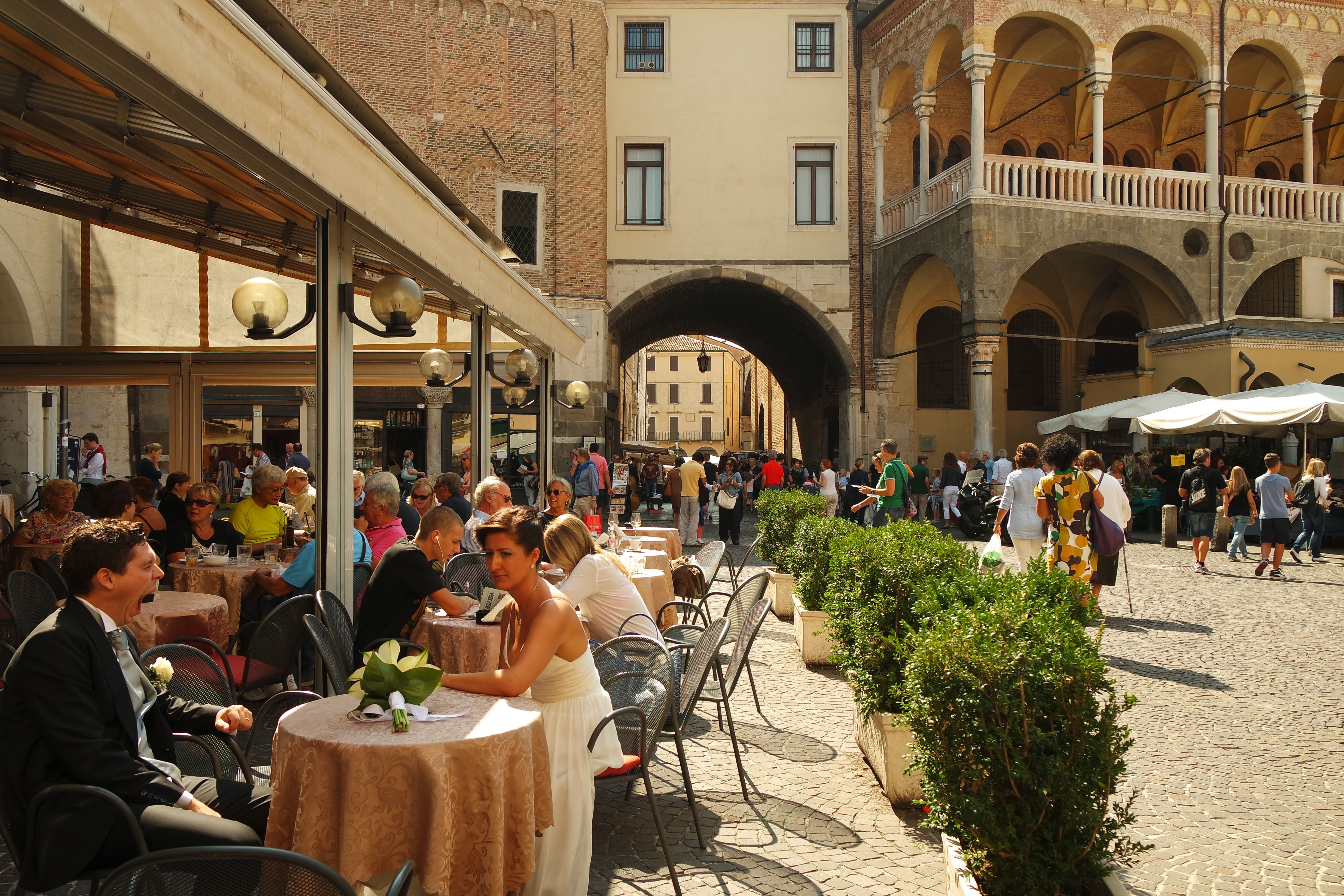
Public Transportation in Padua


Summary: Learning how to get around using public transportation in Padua is an important step in adjusting to life in Padua. In this article, we cover the local public transportation options.
Padua, a city rich in history and culture, offers a variety of public transportation options for both locals and tourists. The city's public transportation system is managed by Busitalia Sita Nord, which operates a network of buses and trams. The city is also served by the Padua railway station, which offers regional and high-speed train services. For those who prefer a more active mode of transportation, Padua has a bike-sharing system called Goodbike Padova. With such a comprehensive public transportation system, it's entirely possible for an expat living in Padua to comfortably live without a car, relying on public transportation and walking.
Bus and Tram Services
Busitalia Sita Nord operates an extensive network of buses and trams in Padua, making it easy to get around the city and its surrounding areas. The buses and trams are generally safe to use at any time of the day, and they are a popular mode of transportation for everyone, including women traveling alone and children going to school. A single ticket costs around 1.30 euros and is valid for 75 minutes. There are also daily, weekly, and monthly passes available, which can be a more cost-effective option for regular commuters. The buses and trams run on a regular schedule, but it's always a good idea to check the timetable in advance.
Railway Services
The Padua railway station is a major transportation hub in the city, offering both regional and high-speed train services. The station is served by Trenitalia, the national railway company of Italy, and Italo, a private company that operates high-speed trains. The trains are generally safe and reliable, and they offer a convenient way to travel to other cities in Italy. The cost of train tickets varies depending on the distance and the type of train, but a one-way ticket from Padua to Venice, for example, costs around 4.25 euros on a regional train. The station itself is equipped with various facilities, including a ticket office, a waiting room, and a café.
Goodbike Padova
For those who prefer a more active mode of transportation, Goodbike Padova offers a bike-sharing service in the city. The service is easy to use: you simply need to register on the Goodbike Padova website, and then you can rent a bike using the mobile app. The bikes are available 24/7, and they can be picked up and returned at any of the numerous bike stations in the city. The cost of renting a bike is 0.69 euros per hour, with a maximum daily charge of 4.90 euros. The bike-sharing service is not only a healthy and environmentally friendly way to get around the city, but it also allows you to explore Padua at your own pace.
Walking
Padua is a compact city with a pedestrian-friendly layout, making it ideal for walking. Many of the city's attractions, such as the Scrovegni Chapel and the Prato della Valle, are within walking distance of each other. Walking not only saves you money on transportation, but it also gives you the opportunity to discover the city's hidden gems and to immerse yourself in the local culture. However, do keep in mind that some areas of the city can be quite crowded, especially during peak tourist season, so always be aware of your surroundings and keep your belongings secure.
In conclusion, Padua's public transportation system is comprehensive and reliable, making it entirely possible for an expat to live comfortably without a car. Whether you prefer to take the bus, the tram, the train, or the bike, or to simply walk, you'll find that getting around Padua is easy and convenient.
About the Author
 Joshua Wood, LPC joined Expat Exchange in 2000 and serves as one of its Co-Presidents. He is also one of the Founders of Digital Nomad Exchange. Prior to Expat Exchange, Joshua worked for NBC Cable (MSNBC and CNBC
Primetime). Joshua has a BA from Syracuse and a Master's in Clinical and Counseling Psychology from Fairleigh Dickinson University. Mr. Wood is also a licensed counselor and psychotherapist.
Joshua Wood, LPC joined Expat Exchange in 2000 and serves as one of its Co-Presidents. He is also one of the Founders of Digital Nomad Exchange. Prior to Expat Exchange, Joshua worked for NBC Cable (MSNBC and CNBC
Primetime). Joshua has a BA from Syracuse and a Master's in Clinical and Counseling Psychology from Fairleigh Dickinson University. Mr. Wood is also a licensed counselor and psychotherapist.
Some of Joshua's articles include Pros and Cons of Living in Portugal, 10 Best Places to Live in Ireland and Pros and Cons of Living in Uruguay. Connect with Joshua on LinkedIn.
Additional Information: