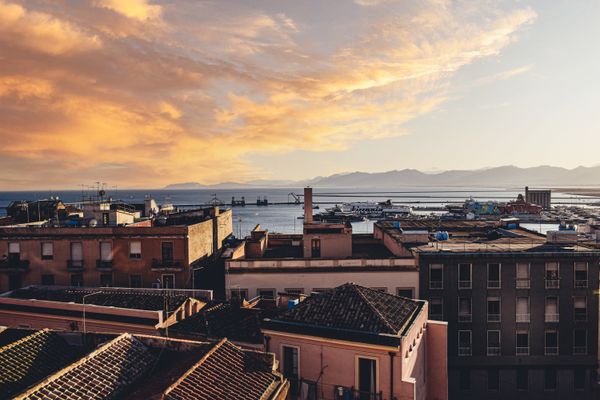
Expat Life in Sardinia


Summary: Sardinia offers expats a slower pace of life, affordable living, and deep community traditions, though it demands patience with bureaucracy, Italian language skills, and acceptance of island isolation. Best suited for retirees and remote workers seeking authentic Italian life away from tourist-saturated regions, with Cagliari, Alghero, and inland villages as top destinations.
Sardinia sits off the western coast of Italy, closer to Tunisia than to Rome, and that geographic reality shapes almost everything about the expat experience here. The island runs on its own rhythm - slower than the mainland, more insular, and deeply tied to traditions that predate the Italian state itself. For retirees, remote workers, and families considering a move, Sardinia offers something that much of coastal Europe has lost: space, quiet, and a that still makes sense.
The Pace and the People
Expats who settle in Sardinia often describe the adjustment as learning to do less. Shops close for a long midday break. Appointments slip. A quick errand in Cagliari or Olbia can turn into an hour-long conversation with the shopkeeper. Sardinians are famously reserved with outsiders at first - more so than Italians on the mainland - but once you're accepted into a neighborhood or village, the loyalty runs deep. This is an island where people still know their neighbors, attend the same festivals their grandparents did, and treat food as a daily act of community.
Where Expats Actually Live
Most foreign residents cluster in a handful of areas. Cagliari, the capital in the south, draws those who want city amenities, an international airport, and a walkable historic center. The Costa Smeralda and Olbia area in the northeast attract a wealthier crowd - think boat owners and summer-home buyers - though prices there reflect that. Alghero on the northwest coast has a Catalan-influenced old town and a strong British and German expat presence. For those seeking affordability, inland towns like Nuoro, Oristano, and the villages of the Ogliastra region offer stone houses for a fraction of coastal prices, though you'll need a car and patience with rural bureaucracy.
Cost of Living
Sardinia remains one of the more affordable regions in Western Europe. A couple can live comfortably on 2,000 to 2,500 euros per month outside the tourist zones. Rent for a two-bedroom apartment in Cagliari runs roughly 600 to 900 euros. Groceries, produce, local wine, and fish are inexpensive, especially if you shop at weekly markets rather than supermarkets. Utilities can be surprisingly high in winter, though - many older homes lack proper insulation, and heating oil is a real budget line from December through March.
Healthcare and Bureaucracy
Italy's national health service covers legal residents, and Sardinia's system is generally considered competent, particularly in Cagliari and Sassari. Specialist wait times can stretch, and many expats carry supplemental private insurance to fill the gaps. The bureaucracy is another matter. Getting a codice fiscale, permesso di soggiorno, or residency registration involves multiple offices, stamped documents, and a tolerance for repeat visits. Most expats hire a commercialista (accountant) to handle the worst of it.
Language
Italian is essential for daily life once you leave the tourist corridors. Many older Sardinians speak Sardo - a Romance language distinct from Italian - as their first language, and in some villages it's still the dominant one at home. You don't need to learn Sardo, but knowing it exists helps explain why some conversations don't sound like the Italian you studied.
The Trade-Offs
The isolation cuts both ways. Summers are stunning - warm water, uncrowded beaches outside August, long evenings. Winters are mild but can feel quiet to the point of loneliness, especially in coastal towns that empty out after September. Flights to the mainland are frequent but weather-dependent, and ferry crossings take most of a day. Internet has improved dramatically in the last few years, making remote work viable, though rural fiber coverage still has gaps.
Who Sardinia Suits
Sardinia tends to work well for people who want a slower version of Italian life without the tourist saturation of Tuscany or the Amalfi Coast. It suits those willing to learn Italian, invest in local relationships, and accept that some things will simply take longer than they should. It's less suited to anyone who needs constant convenience, strong international career networks, or a large English-speaking social scene.
For those who fit, though, the island rewards the investment with a quality of life - the food, the coastline, the sense of belonging somewhere real - that's getting harder to find in Europe.
About the Author
 Joshua Wood, LPC joined Expat Exchange in 2000 and serves as one of its Co-Presidents. He is also one of the Founders of Digital Nomad Exchange. Prior to Expat Exchange, Joshua worked for NBC Cable (MSNBC and CNBC
Primetime). Joshua has a BA from Syracuse and a Master's in Clinical and Counseling Psychology from Fairleigh Dickinson University. Mr. Wood is also a licensed counselor and psychotherapist.
Joshua Wood, LPC joined Expat Exchange in 2000 and serves as one of its Co-Presidents. He is also one of the Founders of Digital Nomad Exchange. Prior to Expat Exchange, Joshua worked for NBC Cable (MSNBC and CNBC
Primetime). Joshua has a BA from Syracuse and a Master's in Clinical and Counseling Psychology from Fairleigh Dickinson University. Mr. Wood is also a licensed counselor and psychotherapist.
Some of Joshua's articles include Pros and Cons of Living in Portugal, 10 Best Places to Live in Ireland and Pros and Cons of Living in Uruguay. Connect with Joshua on LinkedIn.
Additional Information: